Housing here is mixed. About one home in seven predates 1960, more than half went up from 1960 through 1989, and nearly 30 percent sit in buildings of two or more units. Call and tell us what's backing up or leaking.
Clay sewer laterals in homes built before 1975
For homes built before 1960, typical materials are galvanized steel water lines with cast iron or clay drains. Homes from the 1960s through the 1980s usually have copper supply and cast iron or ABS drains. The township's median home dates to 1980, so both patterns can sit a few blocks apart.
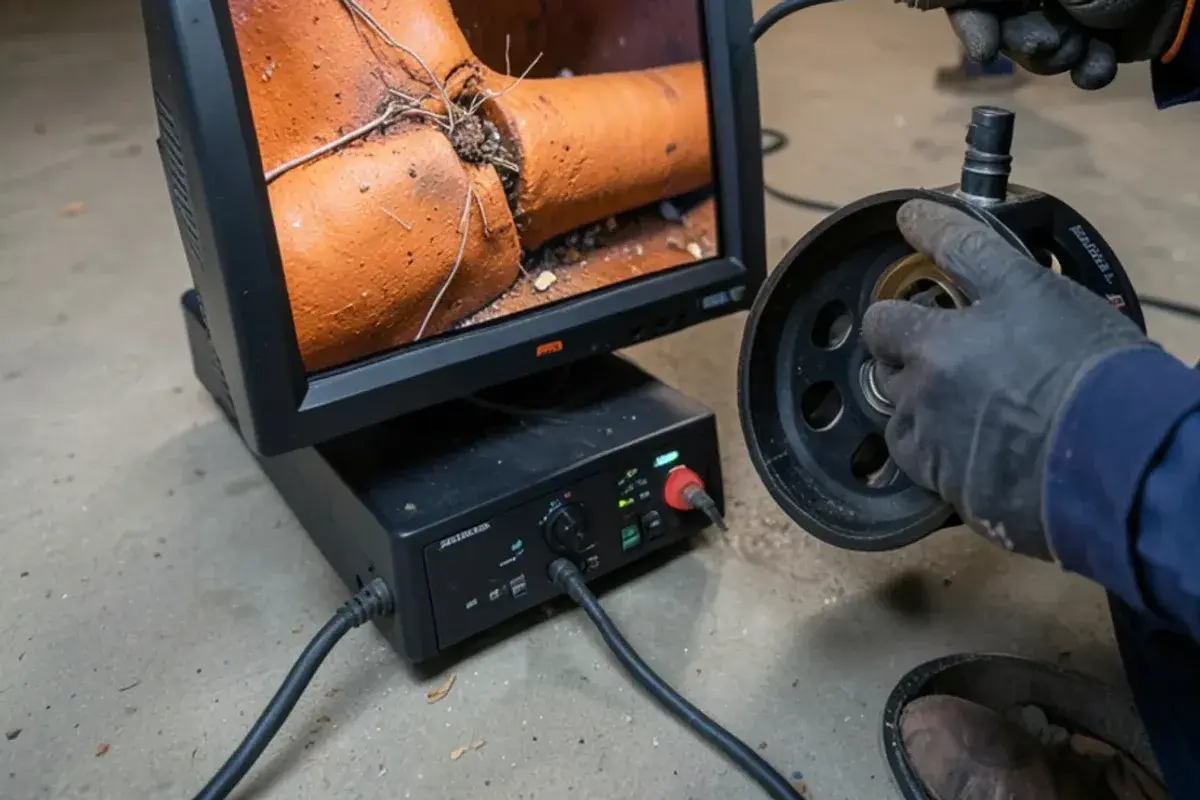
Vitrified clay is the pipe to watch outside. It comes in short lengths, so there's a joint every few feet, and roots find those seams. The township's Sanitary Sewer Lead Repair/Replacement Pilot Program, paid for with congressionally directed HUD funding, helped owner-occupants of single-family homes built in 1974 or earlier, with household income under 125% of the area median, fix failed clay laterals. (The township calls the lateral a "sewer lead.") Phase 2 applications have closed. If you own a pre-1975 house, a camera inspection shows whether the lateral is clay, how the joints look and whether roots or an offset explain the gurgling floor drain.
The water side looks better. The township's April 2026 inventory lists zero lead service lines out of 27,552, with unknown-material lines cut from 1,510 to 521 since January 2025. Its 2026 water report walks through a magnet-and-screwdriver check at the meter that tells galvanized, copper, lead and plastic apart.
Where the river branches meet: basements, sump lines and grease
The Clinton River forms from its three branches inside the township, then flows through Mount Clemens toward its mouth in Harrison Township. Macomb County was part of federal flood declarations in 2014, 2021 and 2023, storms that test every sump pump and floor drain.
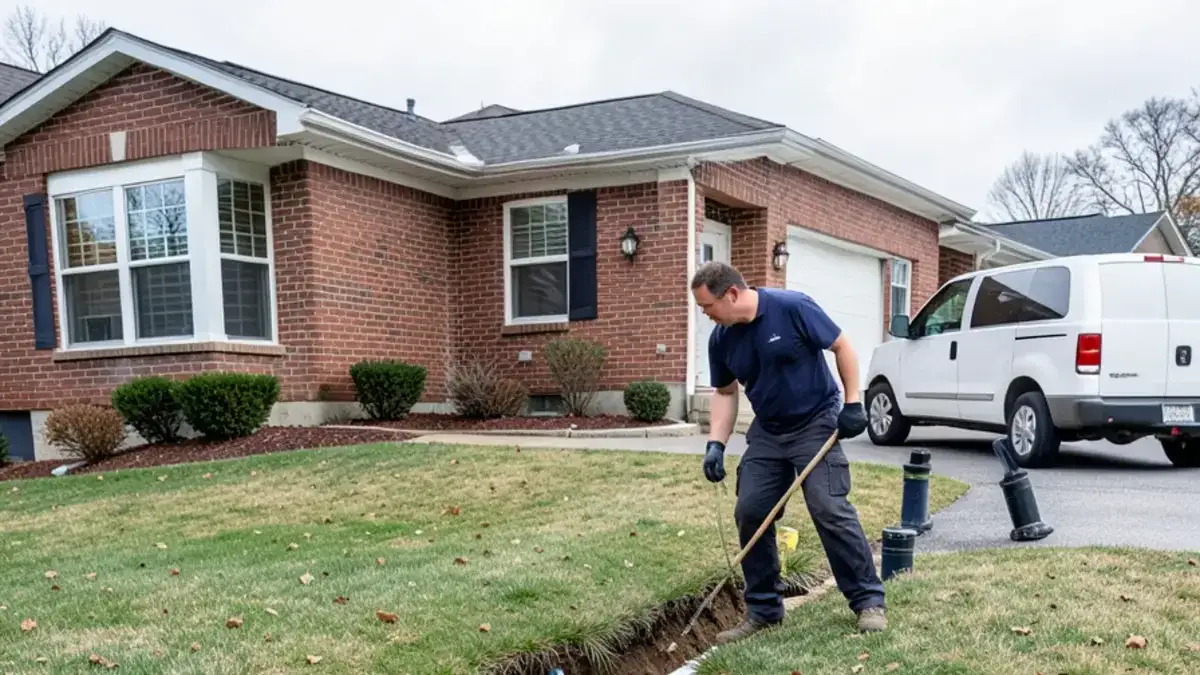
The Department of Public Services inspects any new, repaired or rerouted sump discharge line before it's covered, Monday through Friday with at least a day's notice, so the trench stays open until the inspector signs off. Grease is the other basement risk. In 2018 a 100-foot mass of fat and wipes came out of the Lakeshore Interceptor here, and buildings that share a main line feel the small-scale version first. Michigan's insurance regulator also notes that sewer backup damage usually needs a separate endorsement on a homeowners policy.
Plumbing calls that come in from Gratiot Avenue up to Hall Road
These services match the township's older laterals, its sump inspection rule and its mix of houses and condos.
Sewer line repair
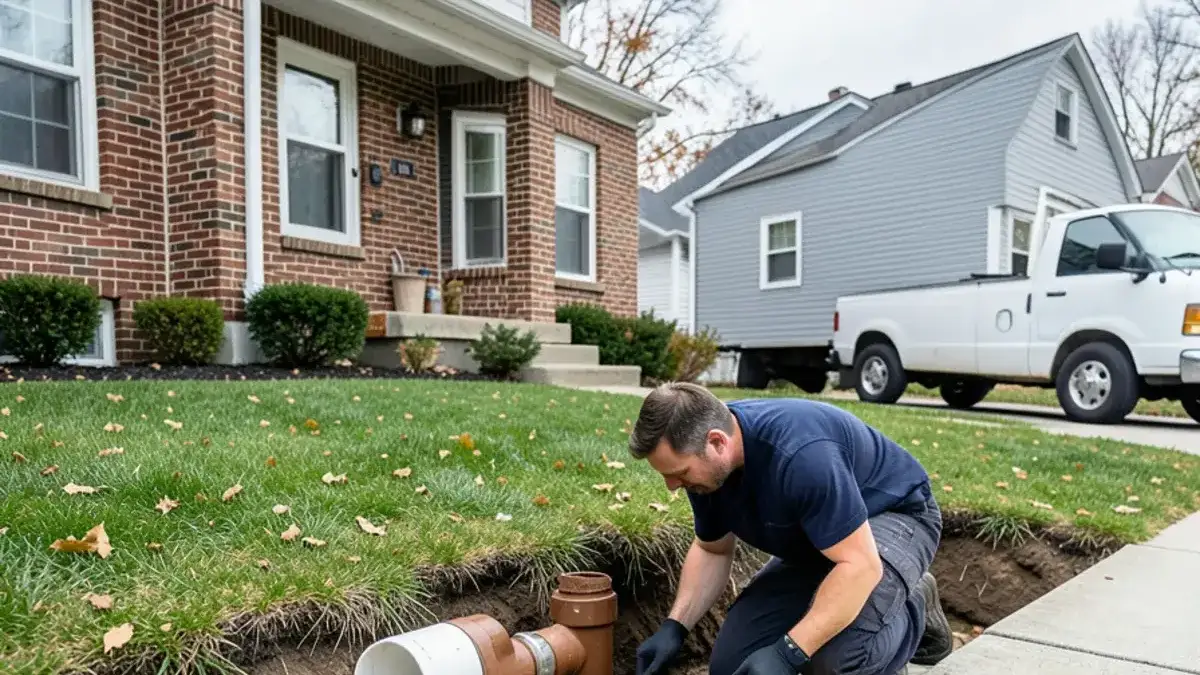
Homes built in 1974 or earlier can still drain through vitrified clay laterals, the pipe the township's HUD-funded repair program targeted. Roots and offset joints in those short clay sections are the usual reason a lateral fails.
Sewer line repair: Read more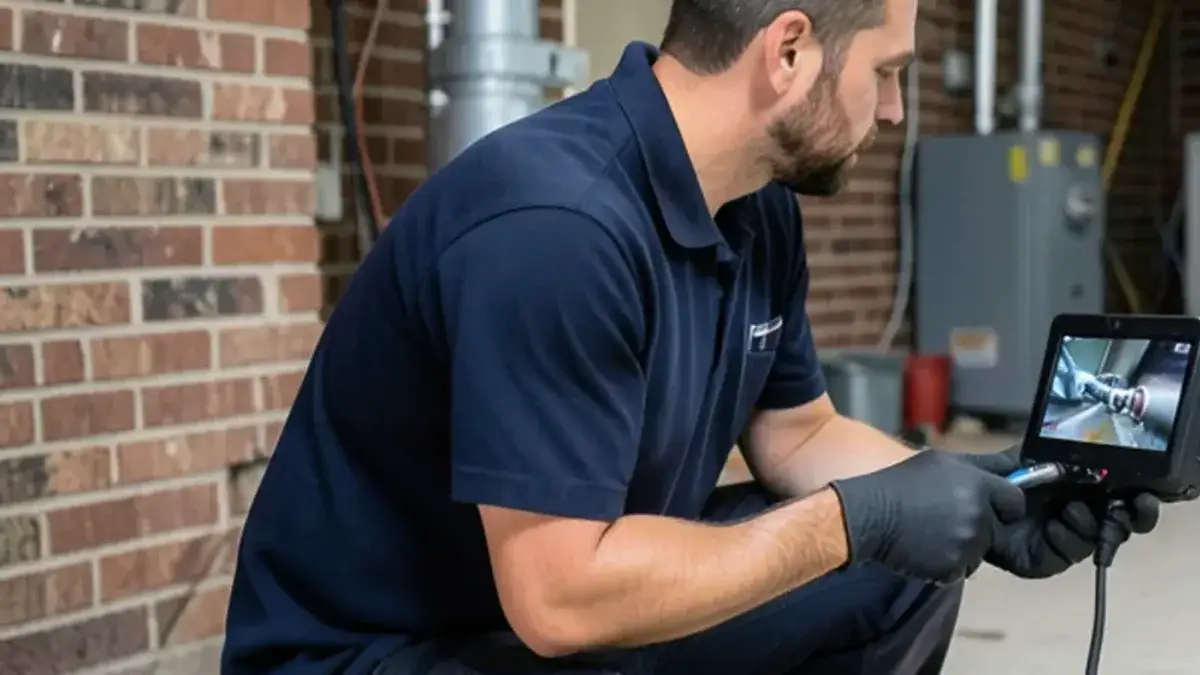
Sewer camera inspection
A camera run from the basement cleanout shows whether a pre-1975 lateral is clay, where roots or offset joints sit, and how far down the line the damage starts, before anyone digs up a Clinton Township yard.
Sewer camera inspection: Read more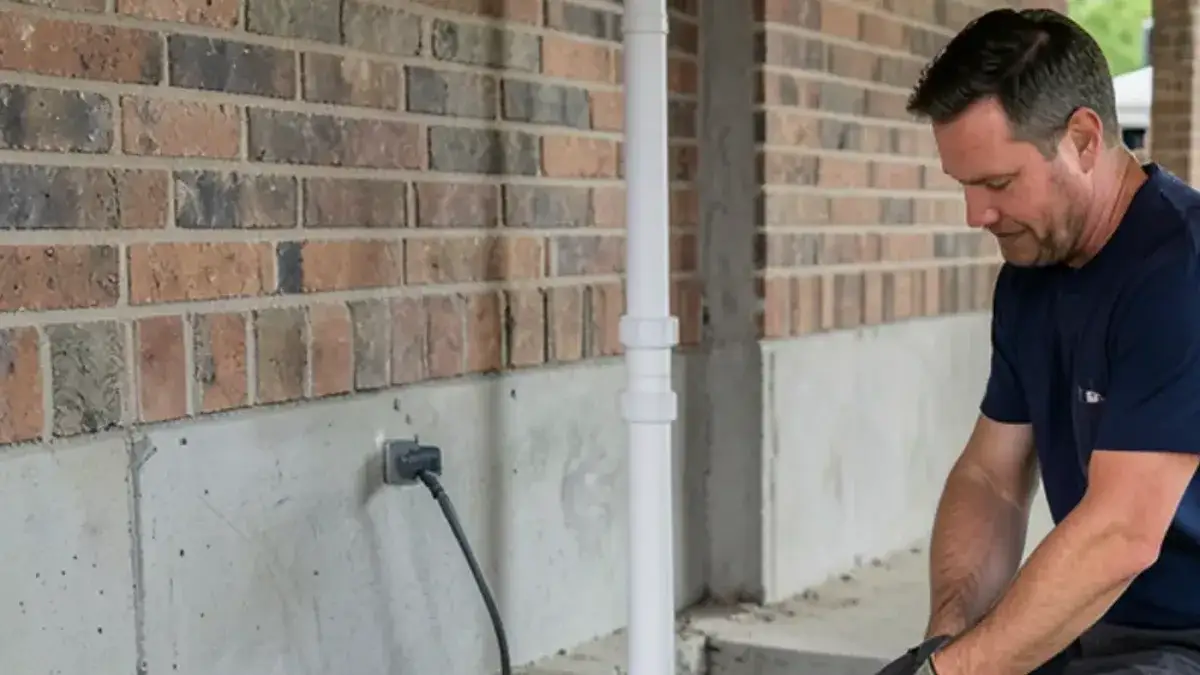
Sump pump repair and installation
The Department of Public Services inspects every new, repaired or rerouted sump discharge line before backfill. The plumber plans a pump or discharge job around that inspection so the trench isn't closed early or dug twice.
Sump pump repair and installation: Read more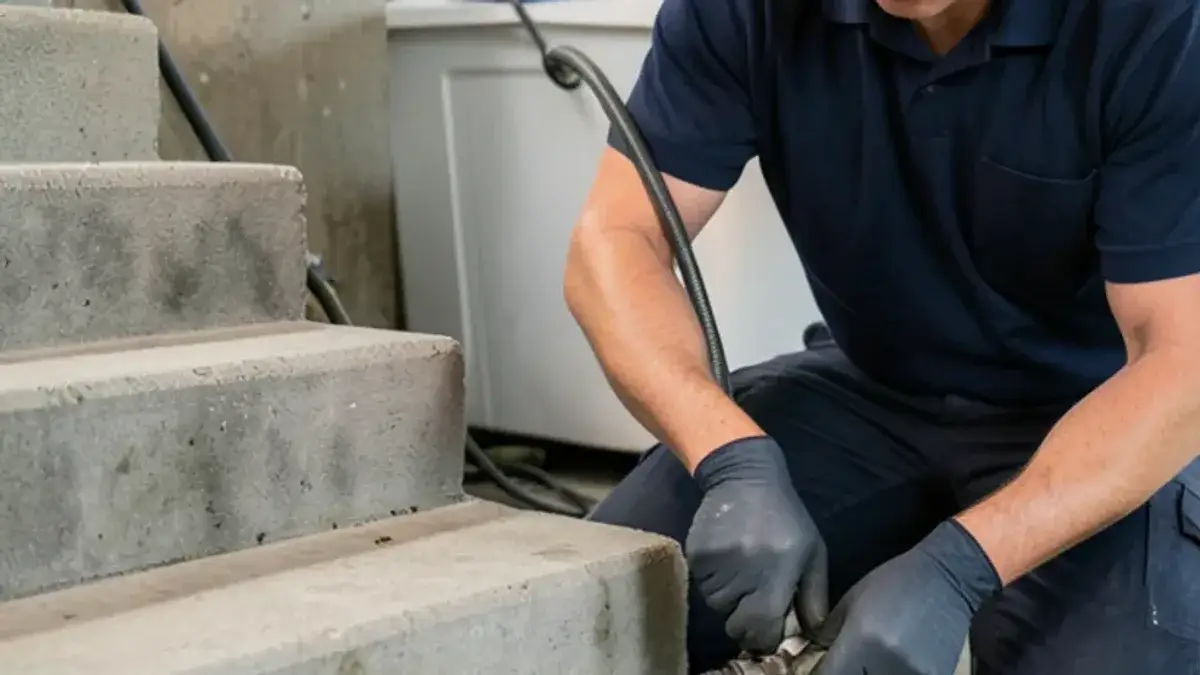
Drain cleaning
Nearly half the township's housing units are attached condos or in multi-unit buildings, where one neighbor's grease and wipes clog a shared stack. The 2018 Lakeshore Interceptor fatberg shows the same habit at county scale.
Drain cleaning: Read more
Main water line repair
Township code puts water service pipe at least five feet below grade and ten feet from the sewer. That depth and separation shape the trench, the MISS DIG ticket and the restoration on every replacement here.
Main water line repair: Read more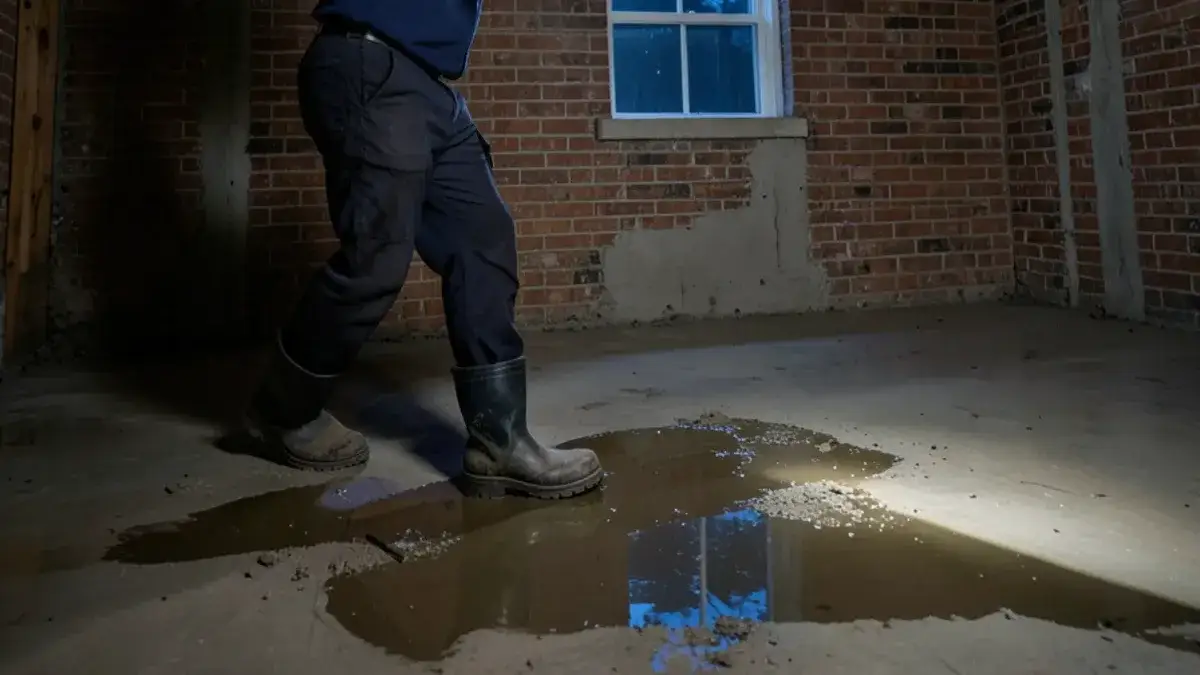
Emergency plumbing
When a basement backs up during a Clinton River storm or a supply line bursts in a condo, the first steps are the main shutoff and finding who owns the failed pipe before damage reaches a neighbor.
Emergency plumbing: Read moreClay lateral or sump line trouble in Clinton Township? Call (207) 419-2600
- Your call goes to an independent local plumbing company that does the work.
Romeo Plank Road offices, water rules and local reference points
Township offices are at 40700 Romeo Plank Rd, where the Building Department issues plumbing permits and DPS books sump line inspections. Two local rules shape underground work. Code §1040.04(d) requires water service pipe on a solid bottom at least five feet below grade and ten feet horizontally from the sewer, so a new water line is a deeper dig than many owners expect. The township also adopted the state's cross-connection rules manual by ordinance (Chapter 1044), so irrigation systems, boilers and similar connections need proper backflow protection.
Water comes from the Great Lakes Water Authority as a blend of the Northeast plant on the Detroit River and the Lake Huron plant, and 2025 hardness averaged 105 mg/L. Residents can get WRAP assistance information and deduct meters for outdoor water use. Calls from 48035, 48036 and 48038 reach local plumbers who cover the streets around George George Memorial Park, the Tomlinson Arboretum and the Gratiot Ave corridor through Broad Acres between 15 Mile and Quinn.
How a visit works in township condos and pre-1975 ranches
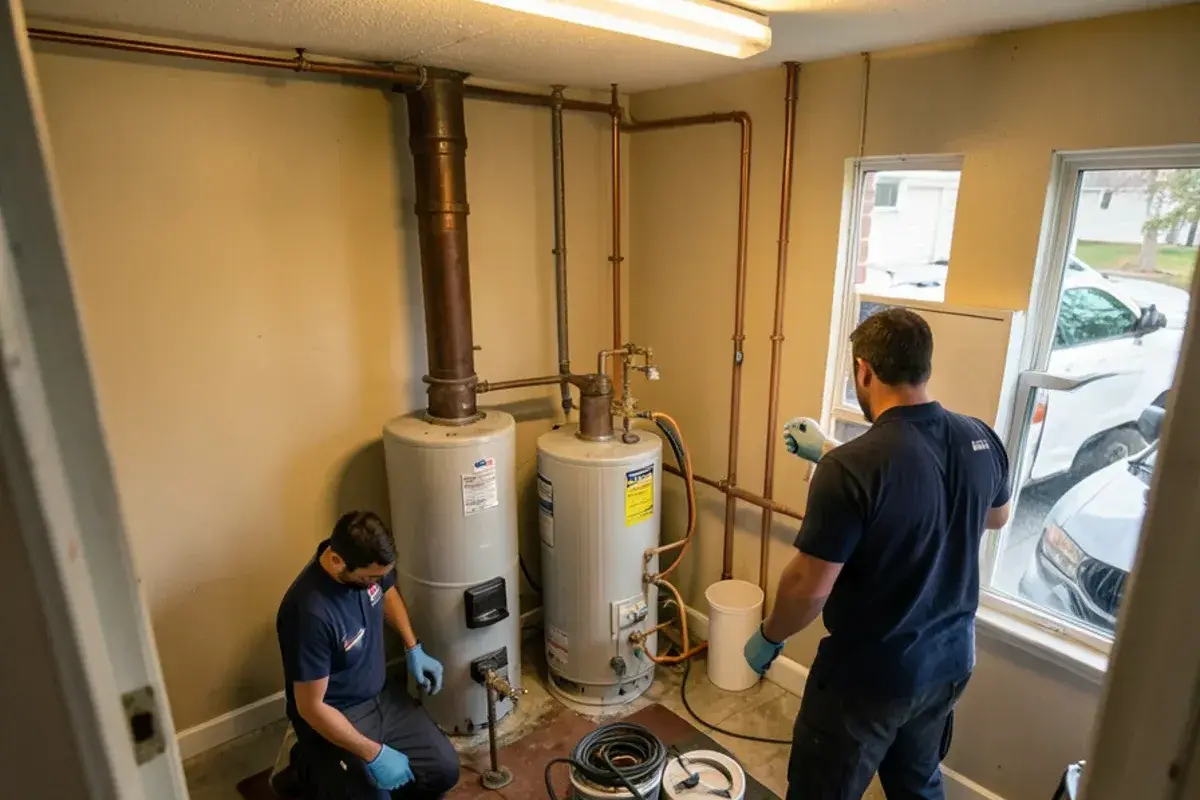
Clinton Township runs south from Hall Rd (M-59), from older ranches with clay laterals near Gratiot Ave to condo buildings that share one stack. About a third of homes are rented and roughly 17 percent are attached condos, so the first question, ours on the phone and the plumber's on site, is who owns the pipe. In a condo, the association often owns the main stack and the line to the street. In a rental, the landlord approves the work. Then:
- The plumber finds the cause, using a camera if the trouble is in the lateral.
- You hear what's wrong, the options and the cost drivers before anything is opened up.
- The plumber does the approved repair, tests it and cleans the work area.
- If a permit or sump line inspection applies, the plumber tells you when the inspector needs to see the work.
Clinton Township plumbing questions
Can I get a plumber anywhere in Clinton Township?
Yes. Calls from all three main ZIP codes, 48035, 48036 and 48038, go to a local plumber who covers that part of the township, whether the problem is in a pre-1975 ranch near Gratiot Ave or a condo unit closer to Hall Rd. Have the address ready, and say whether you own the home, rent it or belong to an association.
What should I do while I wait for an emergency plumber in Clinton Township?
Shut the main water valve if a pipe is leaking. In most township houses it sits where the service line enters the basement or utility room, beside the meter. If sewage is coming up a floor drain, stop running water anywhere in the house. In a condo, call the association too, since a shared stack may be the cause.
Does Clinton Township help pay for a failed clay sewer lateral?
Yes, it has. The Sanitary Sewer Lead Repair/Replacement Pilot Program used HUD funding to help income-qualified owner-occupants of single-family homes built in 1974 or earlier replace failed vitrified clay laterals. The Phase 2 application period is closed and no later phase is posted, so ask the township whether another round is planned before you budget around it.
Do I need an inspection if my sump discharge line is moved?
Yes. Clinton Township's Department of Public Services inspects new, repaired or rerouted sump discharge lines at homes and businesses before they're backfilled. Inspections run Monday through Friday and need at least 24 hours' notice, so the trench stays open until the inspector has seen it. Building that wait into the schedule keeps the yard from being dug twice.