In Macomb County, that usually means grease, cast iron scale or roots.
What a hydro jetting visit covers in Macomb County
Hydro jetting is a cleaning job, not a repair. The plumber you're connected with typically handles:
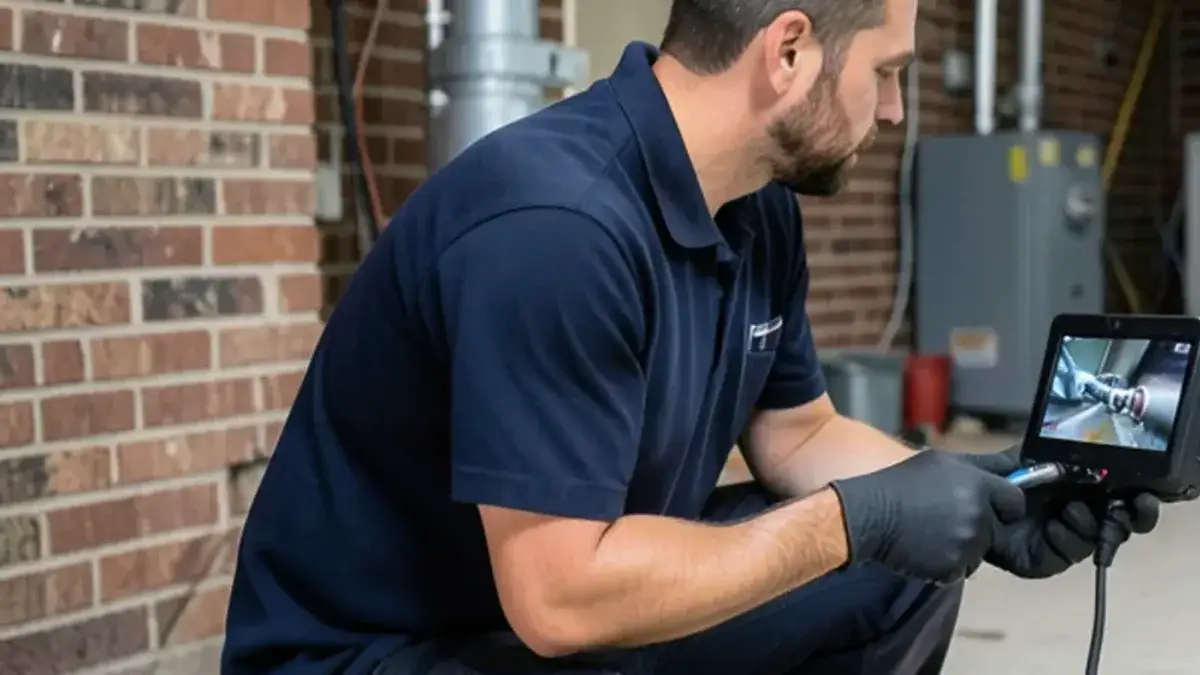
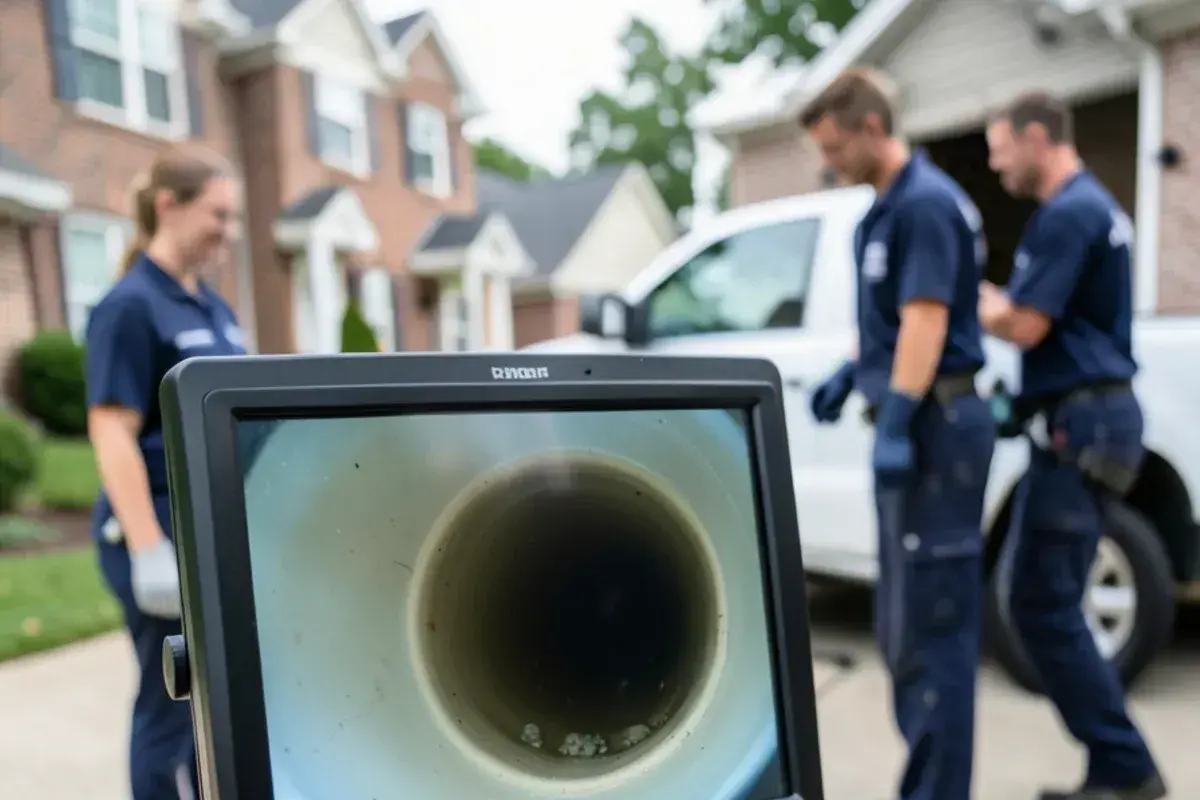
- a camera inspection before any water goes in, to confirm the pipe is whole and find the trouble spot
- cutting heavy roots with a cable first when the footage shows them
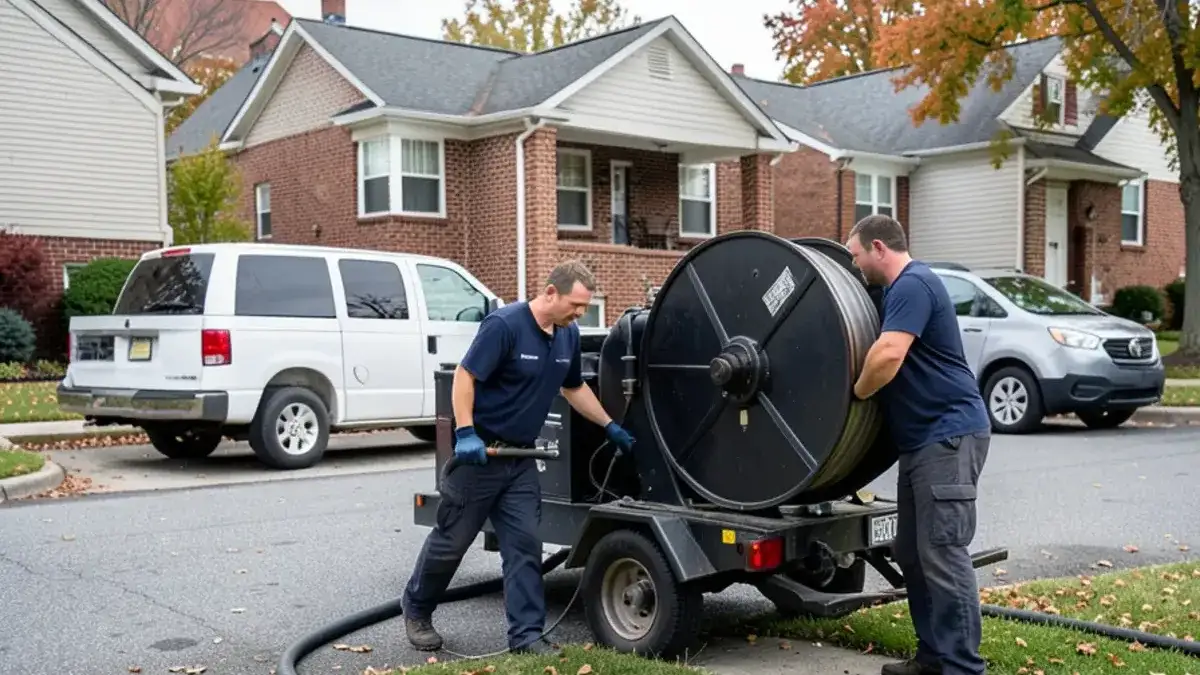
- jetting kitchen, laundry and main drain lines, including the building sewer from a cleanout out toward the street
- flushing out sand, silt and the grease, scale and root debris the nozzle knocks loose
- a second camera pass, with the footage shown to you
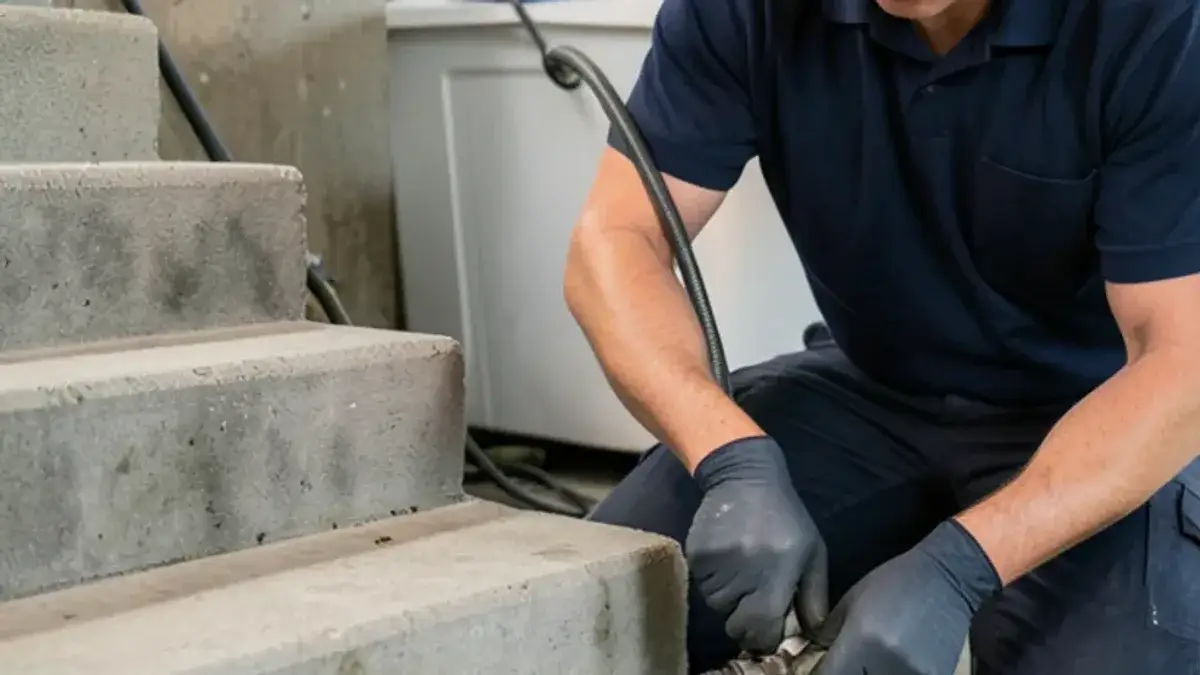
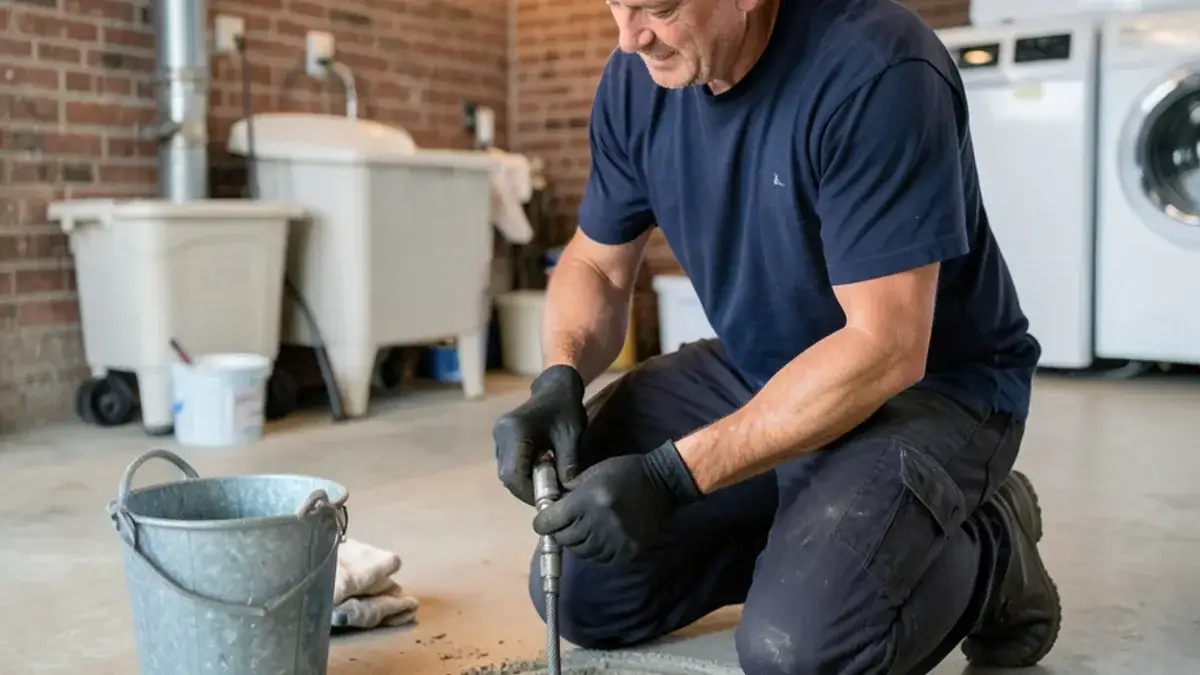
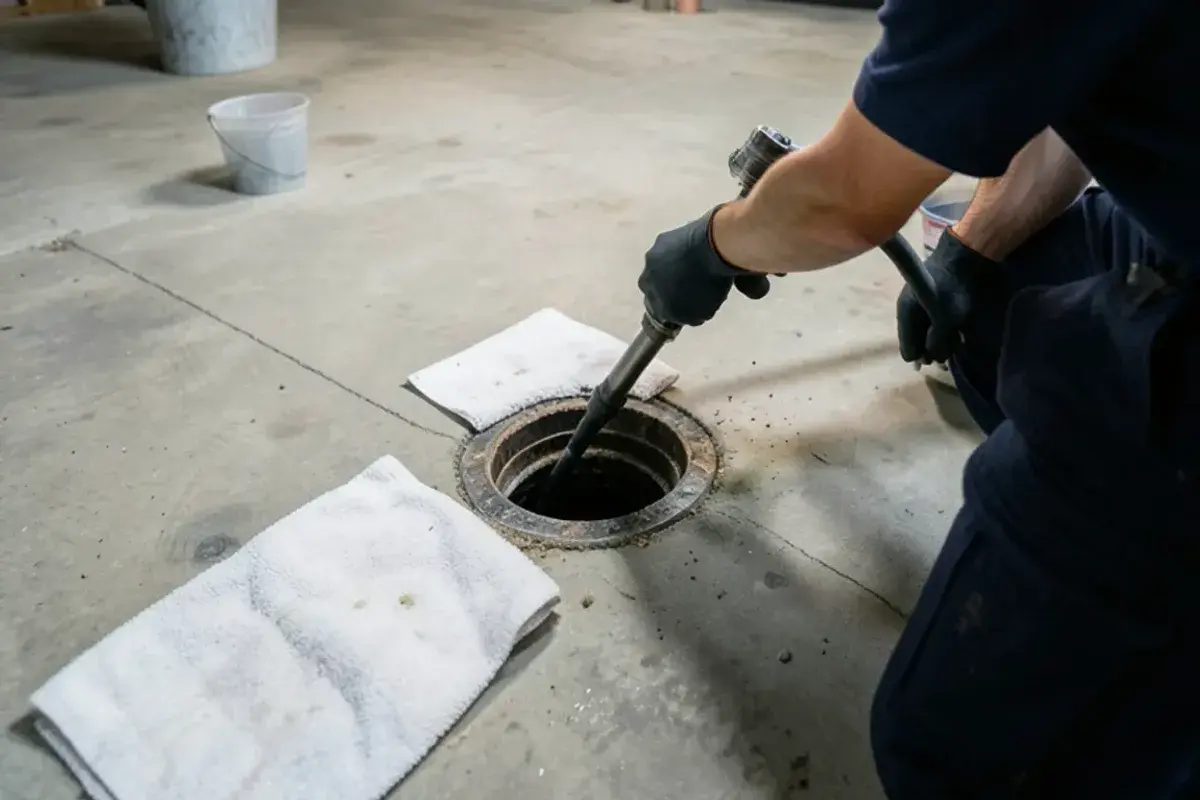
Setup depends on access. An outdoor cleanout is simplest, a basement cleanout needs the floor and walls protected, and a line with no usable cleanout may need one added first.
What jetting won't do is fix the pipe. A cracked clay joint, a belly or a collapsed section stays that way however clean it gets, and the sewer camera inspection footage is what tells you which repair fits.
Signs your line needs jetting, not another snaking
A cable machine punches a hole through a clog. If the line was simply blocked by a wad of paper or hair, that's the end of it. If the pipe wall itself is coated, the hole the cable made closes up again, and you're back to a slow drain in a few weeks.
That repeat pattern is the clearest sign. Others are a kitchen line that drains slowly even though the cable "went through," a camera image showing grease or scale narrowing the pipe, and fine root hair still hanging in a clay joint after the roots were cut. If you haven't had the line cleaned before, start with ordinary drain cleaning. Jetting is for the line that didn't stay clear.
Snaked it twice and it's slow again? Call (207) 419-2600
- Your call goes to an independent local plumbing company that does the work.
What hydro jetting removes from Macomb County drain lines
Grease is the big one. Fats, oils and grease leave a kitchen sink warm and liquid, then cool on the pipe wall in an unheated basement or a buried lateral. Layer by layer it closes the pipe from the outside in. Grease doesn't stop at your property line either. In 2018 crews pulled a fatberg roughly 100 feet long out of the Lakeshore Interceptor in Clinton Township.
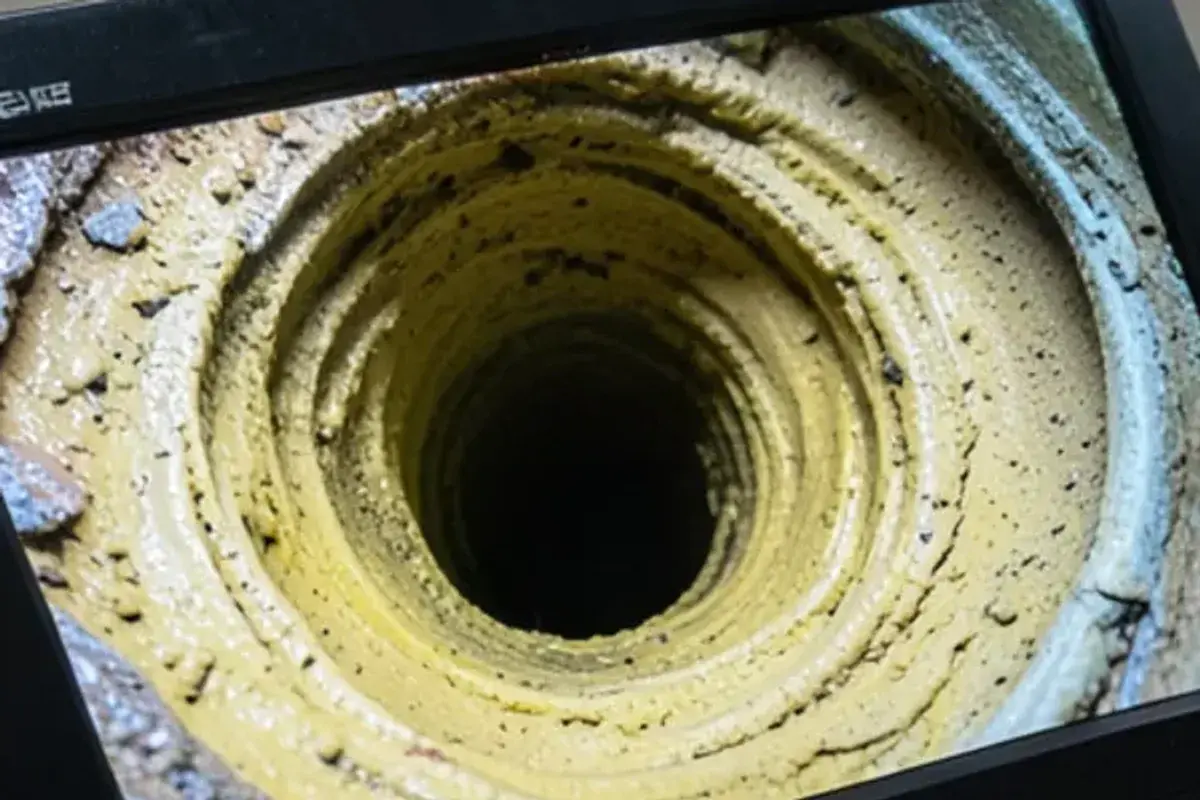
Scale is the second. Cast iron drains in older houses grow a rough, lumpy crust inside as they corrode, and that crust catches paper and grease. A jetter with the right nozzle knocks much of it loose and flushes it downstream.
Root mats are the third. Cutting roots with a cable leaves a fringe of fine root hair and the soil and debris it trapped. Jetting after cutting flushes that out, so the next camera look shows the pipe and its joints instead of a fuzzy wall. Sand and silt that settle in low spots also wash out with jetting.
Is hydro jetting better than snaking for grease, scale and roots?
| Cable machine (snake) | Hydro jetting | |
|---|---|---|
| What it does | Cuts or punches a path through the clog | Scours the full pipe wall with high-pressure water |
| Best for | Hair, paper, wipes, soft clogs, cutting roots | Grease coating, cast iron scale, root mats after cutting, sand |
| Needs | A trap or cleanout | A cleanout, water supply and an intact pipe |
| Cost and time | Lower, quicker | Higher, longer, usually with camera passes |
| Limits | Leaves buildup on the wall | Wrong for broken, collapsed or offset pipe |
For heavy roots, the two work together: cut first with a cable, then jet.
When is hydro jetting the wrong tool?
Jetting only works on a pipe that's still whole. Don't jet a line that the camera shows is broken, collapsed or badly offset at a joint. The water can wash soil into the pipe, blow out a weak section, or simply run out into the ground without cleaning anything.
Some materials need extra caution. Fiber pipe (often called Orangeburg) was used for some sewer laterals in past decades and softens and deforms with age. Thin, rusted-through cast iron can have holes the scale was hiding. A long belly full of standing sewage won't stay clean, because the low spot refills. In each of those cases the fix is a repair, and the camera footage helps decide which one.
How a plumber jets a sewer line, step by step
- You call (207) 419-2600 and describe how often the line clogs, what's been tried and where the cleanout is, and we connect you with a local plumber who covers your area.
- Camera first. A camera goes down the line before any water does, to confirm the pipe is intact, find the distance to the problem and show what kind of buildup is there.
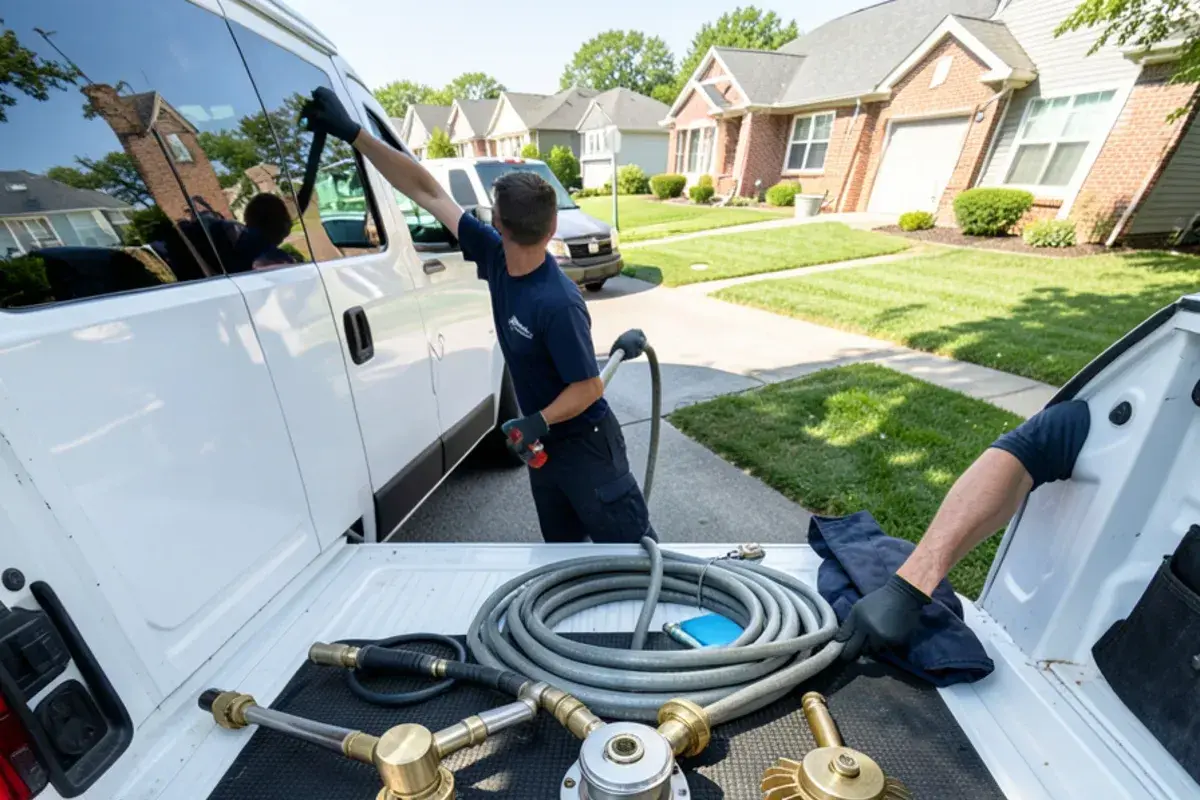
- Nozzle and pressure are chosen for the pipe diameter and material. A standard nozzle has rear-facing jets that pull the hose forward and scrub behind it; rotating heads work the wall harder for scale, and root-cutting nozzles handle light regrowth.
- Setup at the cleanout. Indoors, towels and a splash guard go around the opening and the hose is fed carefully. If there's no usable cleanout, adding one is a small permitted job that makes every future cleaning simpler.
- Jetting in passes. The hose travels out to the main and is worked back and forth through the worst sections, then the line is flushed with clean water.
- Camera after. A second pass shows the result and any defects the buildup was hiding. You see the footage and get a straight recommendation: a maintenance interval, a repair, or nothing more.
What drives the cost of a jetting job
The price depends on pipe diameter and length, how heavy the buildup is, and whether roots have to be cut first. Access matters: a clean outdoor cleanout is faster than working through a basement or a roof. The camera passes before and after are part of the job. Commercial lines, larger pipe and after-hours scheduling add to it. The plumber explains these before the jetter starts.
A kitchen branch line jetted from a basement cleanout sits at the small end. A large commercial line done after closing, with roots cut first and camera passes on both ends, sits at the other. Ask whether the price includes both camera passes and a copy of the footage.
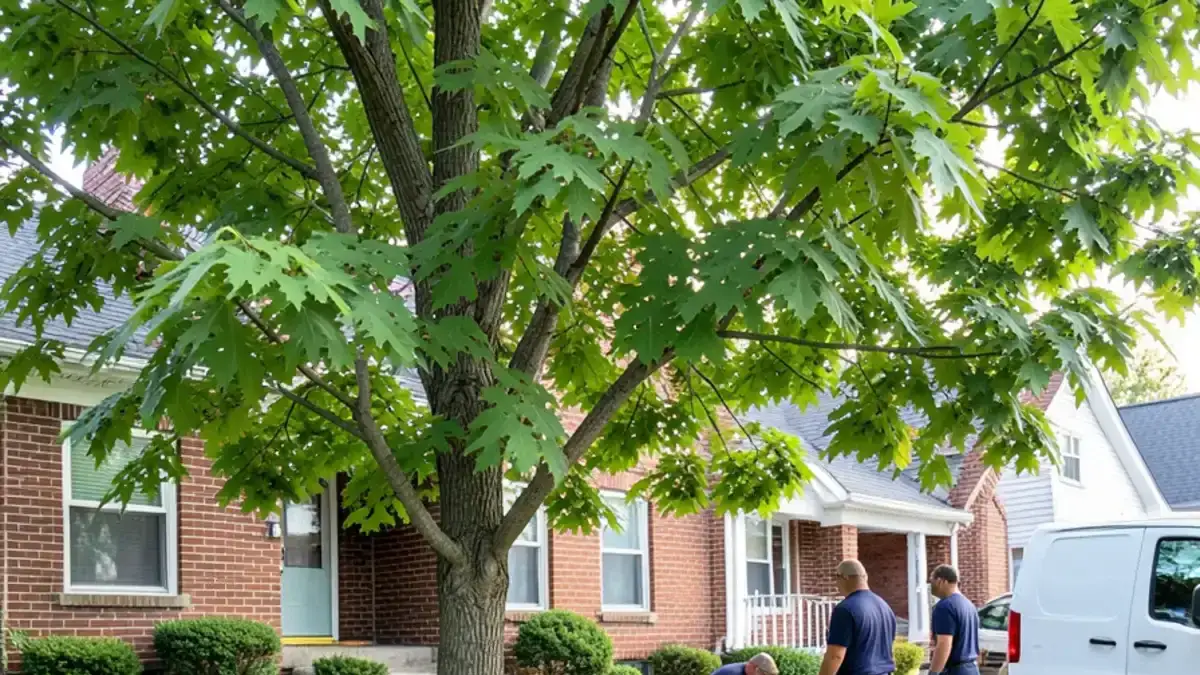
Between jettings, the cheapest prevention is behavior: grease goes in a can, food scraps go in the trash, and a restaurant's interceptor gets pumped on the schedule the township sets. Roots that keep coming back are covered in more depth in tree roots in your sewer line.
Permits, grease rules and commercial drain jetting
Jetting itself counts as clearing a stoppage, which LARA exempts from plumbing permits as long as no piping or fixtures are altered. The work around it can change that. Adding a cleanout, or replacing a section the camera finds broken, alters the piping and needs a permit from the township or city building department. Michigan lets a licensed plumbing contractor pull it, or an owner doing the work in the single-family home where they live. For permitted work, get the contractor's license number and look it up in LARA's license verification search.
Grease is a compliance issue for food businesses here. Macomb Township's code requires grease interceptors for food service establishments, sets limits on the grease they can send to the sewer, and has the township or its contractor inspect them at least once a year. Pumping the interceptor is one job. The lines between the sinks, floor sinks and the interceptor still coat with grease, and those are what jetting cleans.
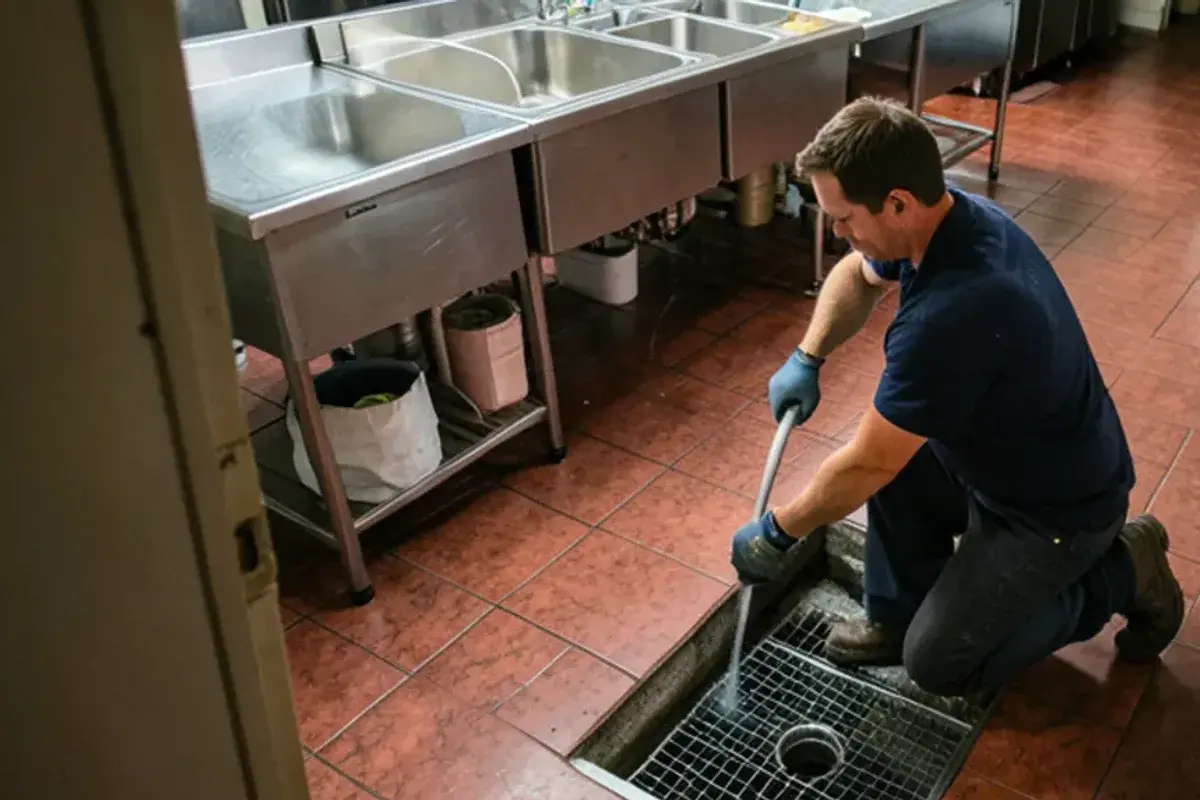
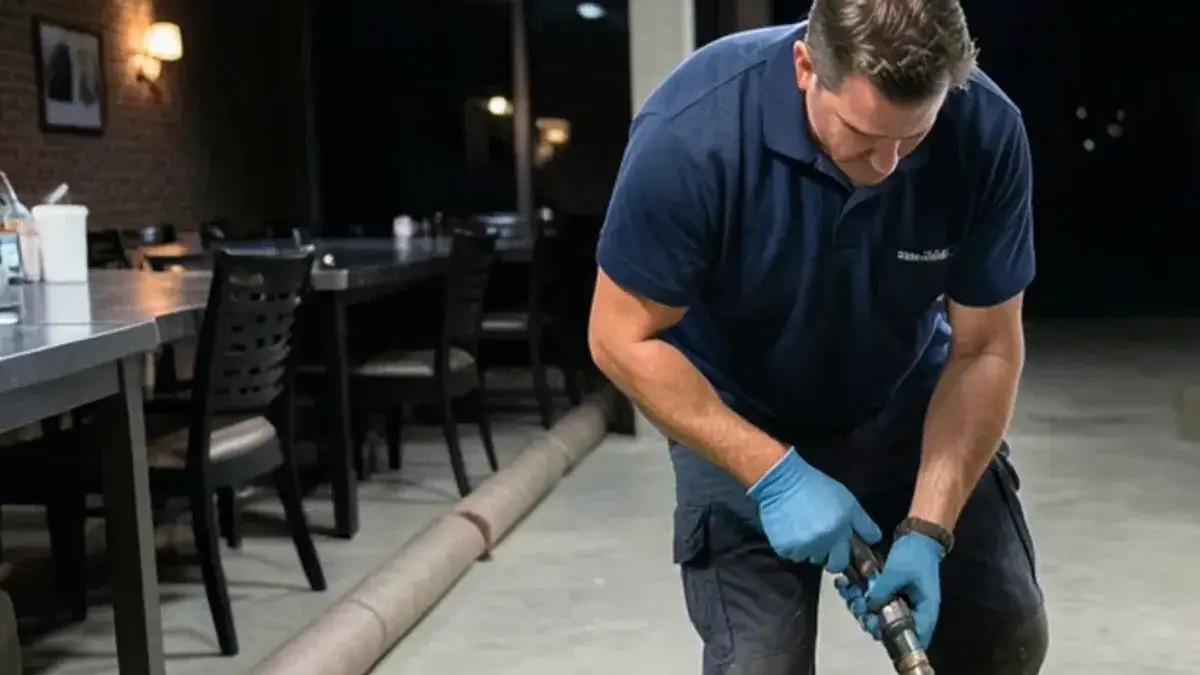
Kitchen jetting is planned for when the kitchen is closed, so prep and service aren't interrupted. Our commercial plumbing page covers interceptors, backflow testing and the rest of a restaurant's plumbing.
Why call Plumbers in Macomb, MI about hydro jetting?
Because jetting is the right answer only some of the time, and one number covers every plumbing problem in the house, including the repair a camera might turn up. Call (207) 419-2600 and describe how often the line clogs and what's been tried. We connect you with an independent local plumber who covers your area. This page explains when jetting helps, when it doesn't, what drives the cost and where permits come in, so you can ask to see the footage before agreeing to anything. There are no forms, and the plumber you reach by phone says when they're free.
Hydro jetting: questions we hear
Can hydro jetting damage old pipes?
No, not a sound pipe jetted at the right pressure for its size and material. The risk comes from jetting a pipe that's already cracked, separated or made of old fiber pipe, which is why the camera goes in first. If the footage shows a break, the plumber should recommend repairing it rather than jetting through it.
Does jetting get rid of tree roots for good?
No. A root-cutting nozzle or cable removes the roots inside the pipe, and jetting flushes the fine mat and debris out, but roots grow back through the same open joint. Root removal in a sewer buys time. Repairing or lining the joint is what stops it.
How often should a restaurant have its kitchen lines jetted?
It depends on the menu, the volume and how well the grease interceptor is kept up. The after-jetting footage gives a starting point, and a second camera look a few months later shows how fast grease is coming back. That's a better guide than a fixed calendar.
Is hydro jetting worth it for a house, or is it an upsell?
Yes, it's worth it when the camera shows grease or scale on the pipe wall and the same line keeps clogging after cable cleanings. It isn't when a line clogged once from wipes, or when the footage shows a break, belly or root-filled joint that needs repair. Ask to see the before footage and have the plumber point to what they plan to remove.
Do I need a permit for hydro jetting in Michigan?
No. Jetting is a way of clearing a stoppage, which Michigan exempts from permits when nothing about the piping or fixtures is changed. Installing a new cleanout to get access, or repairing a section the camera finds, is permitted work.