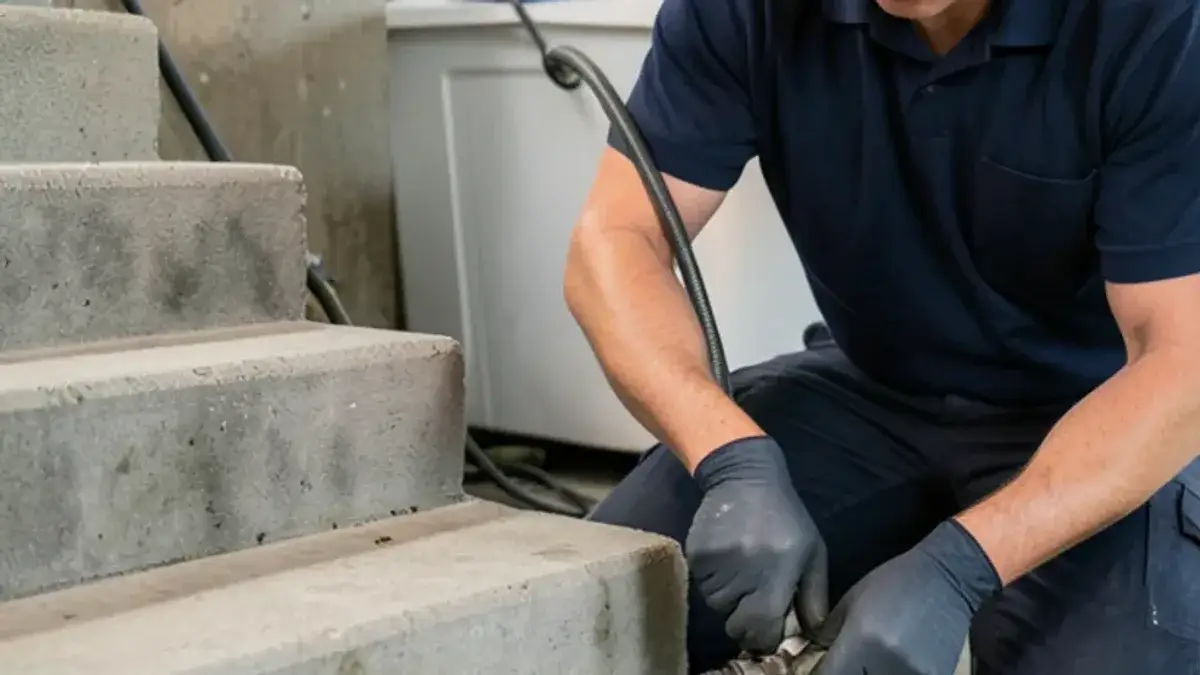
In older Macomb County houses, the usual trouble is grease in cold basement drain lines and roots in clay sewer joints.
Is it one slow drain or the whole main line?
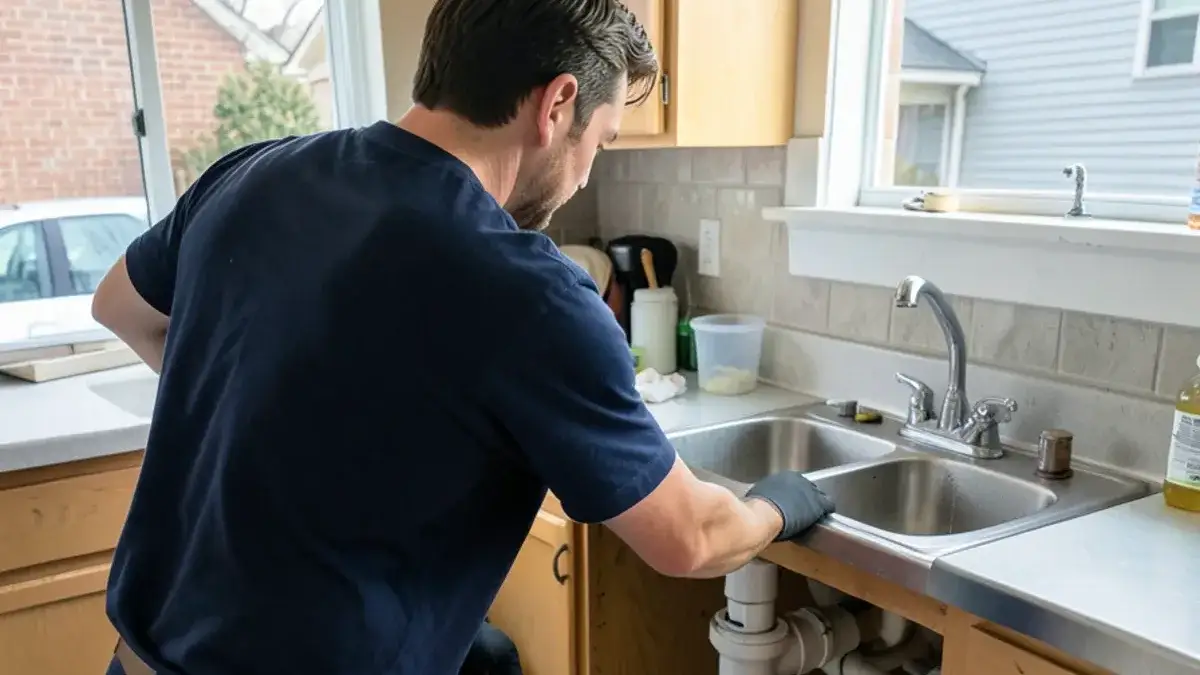
Notice which fixtures misbehave. A single slow bathroom sink or tub almost always means a branch clog close to that fixture, usually hair and soap film. A kitchen sink clog tends to sit in the trap or the horizontal arm behind the cabinet wall, where grease cools and sticks.
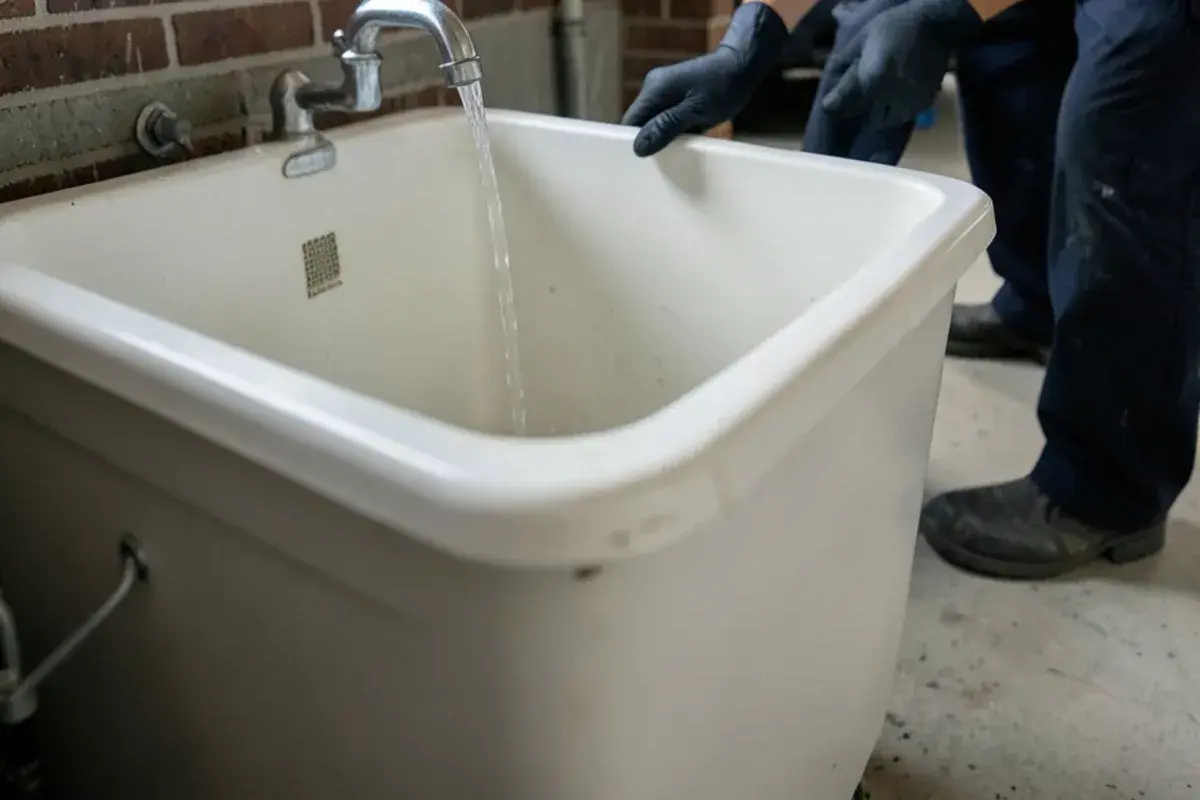
The pattern changes when the clog is in the main line. The toilet gurgles when the tub drains. Water comes up the basement floor drain or the laundry tub when the washing machine pumps out. Several fixtures on the lowest floor slow down together, or an outdoor cleanout cap sits in a puddle. Those signs put the blockage downstream of every branch, in the building drain or the sewer lateral, where plunging won't reach it.
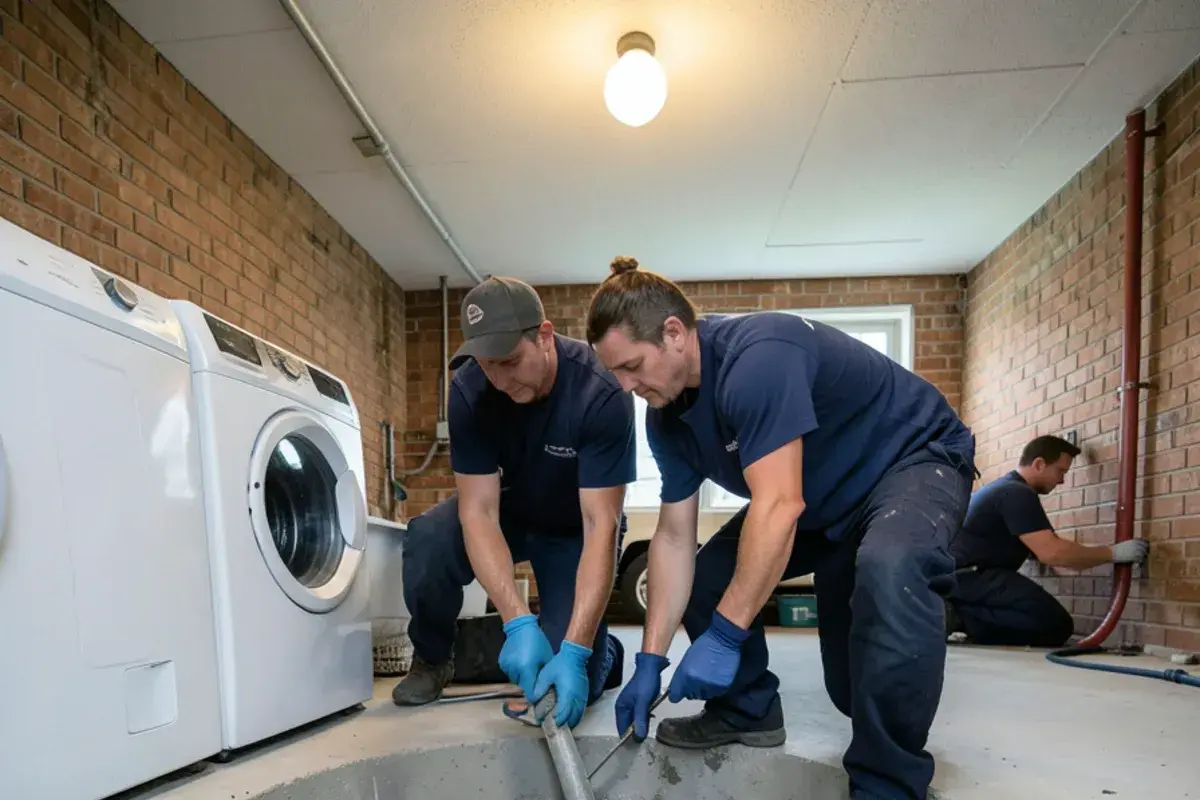
A floor drain backing up is the one to take seriously. It's the lowest opening in the house, so it's where sewage shows up first.
Sink, tub or floor drain backing up? Call (207) 419-2600
- Your call goes to an independent local plumbing company that does the work.
What clogs drains in Macomb County houses
Kitchen grease is the usual cause in kitchen lines. It goes down warm, cools in a basement drain pipe, and builds a sticky layer that catches food scraps until the opening closes. Wipes and paper towels do the same thing in toilet and main lines, because they don't break apart like toilet paper.
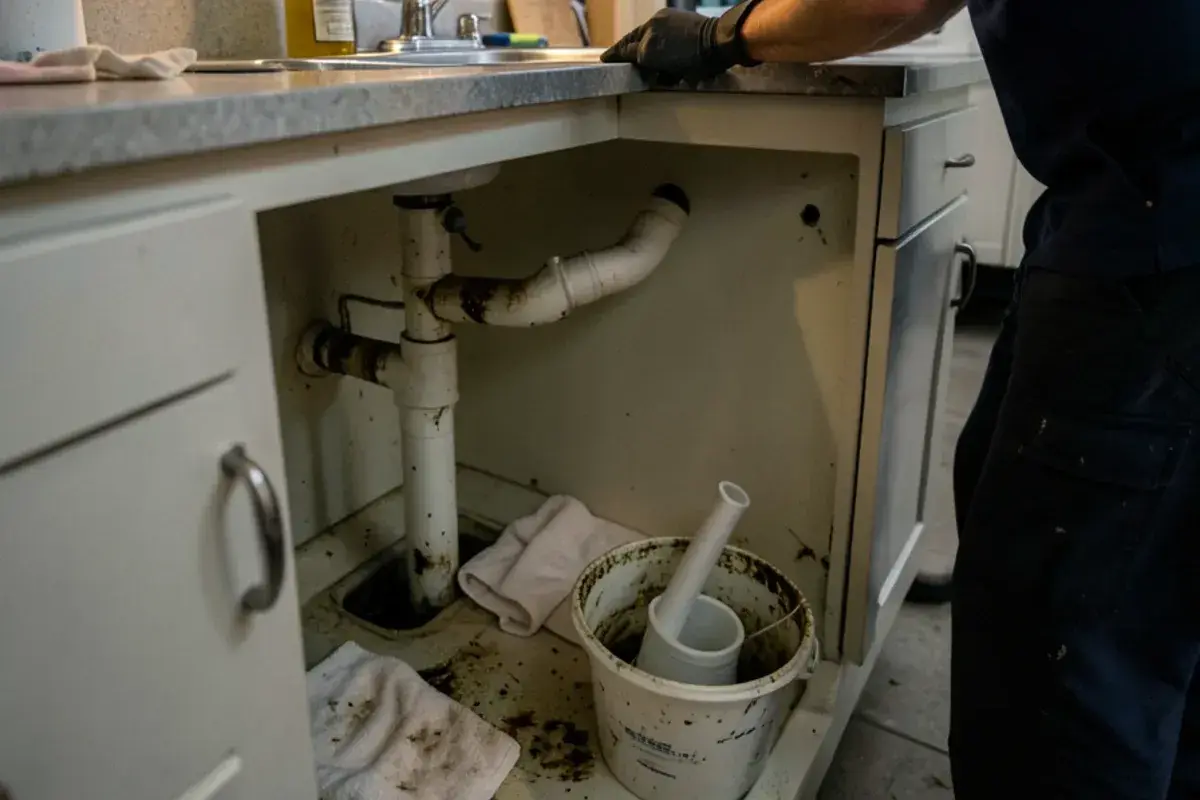
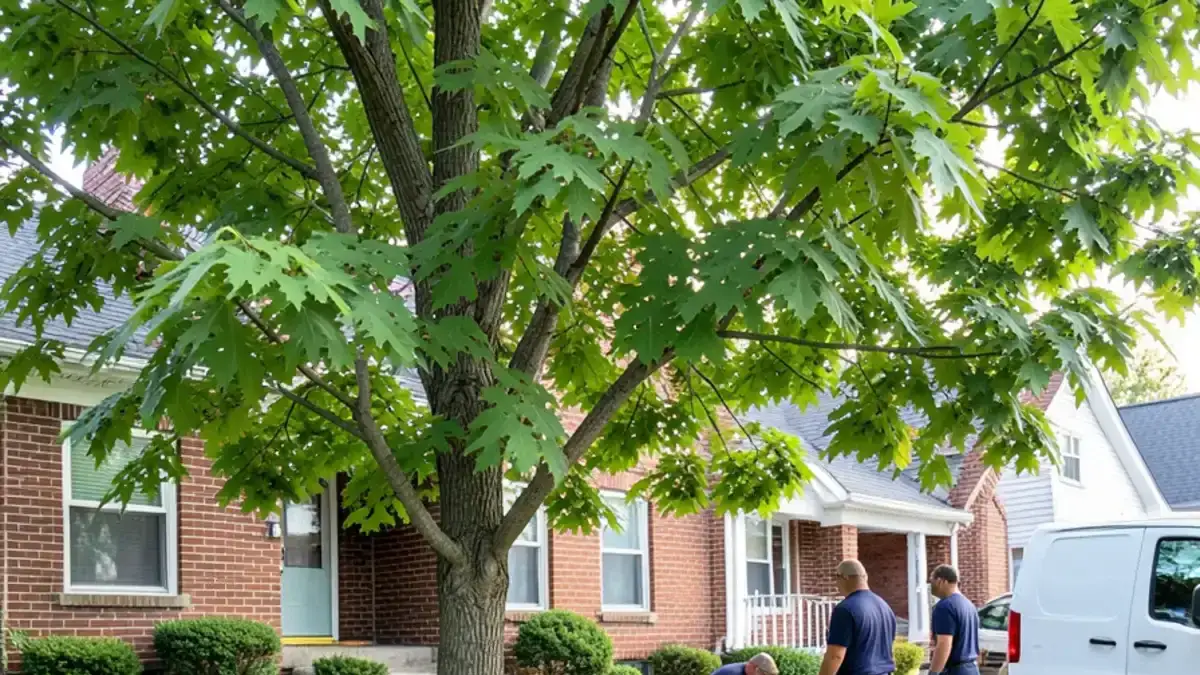
Older houses add their own problems. Cast iron drains grow rough scale on the inside as they age, and that rough wall snags paper and grease. Many houses from the 1970s and earlier drain to the street through clay sewer pipe with a joint every few feet, and tree roots work their way into those joints. Ground that freezes and thaws can also shift old joints out of line, and a section that has settled into a low spot holds water and solids. Those last causes come back after a cleaning, and they're the reason a plumber sometimes suggests a camera.
Drain snake vs hydro jetting: which does your pipe need?
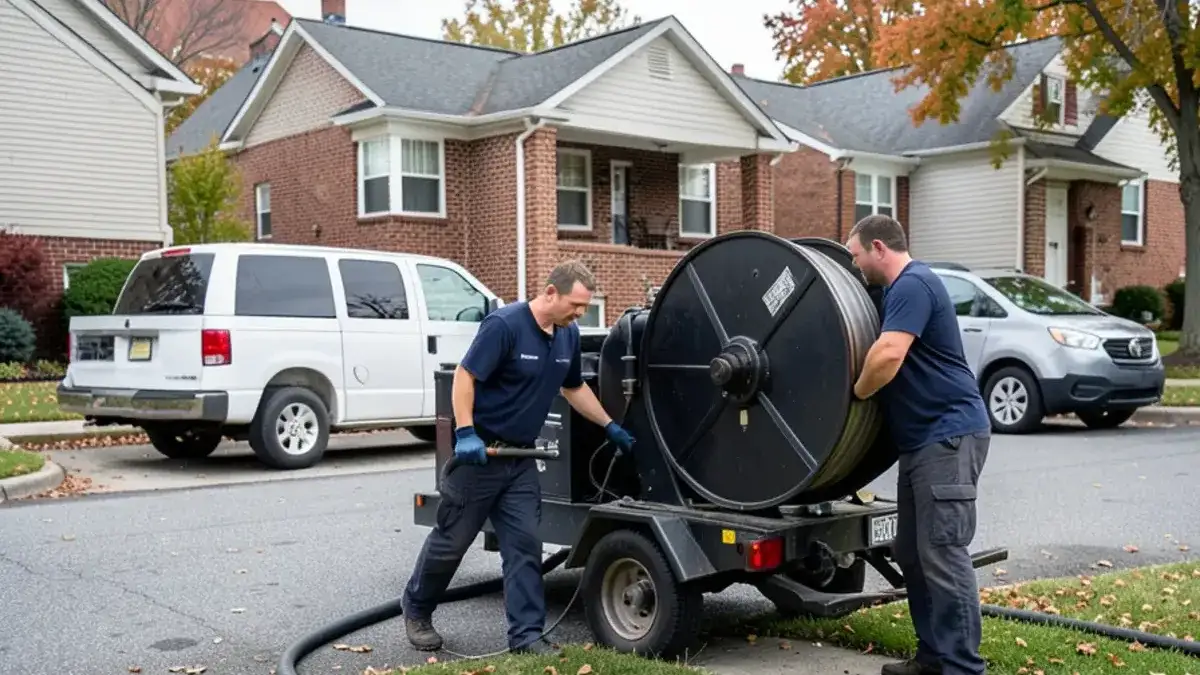
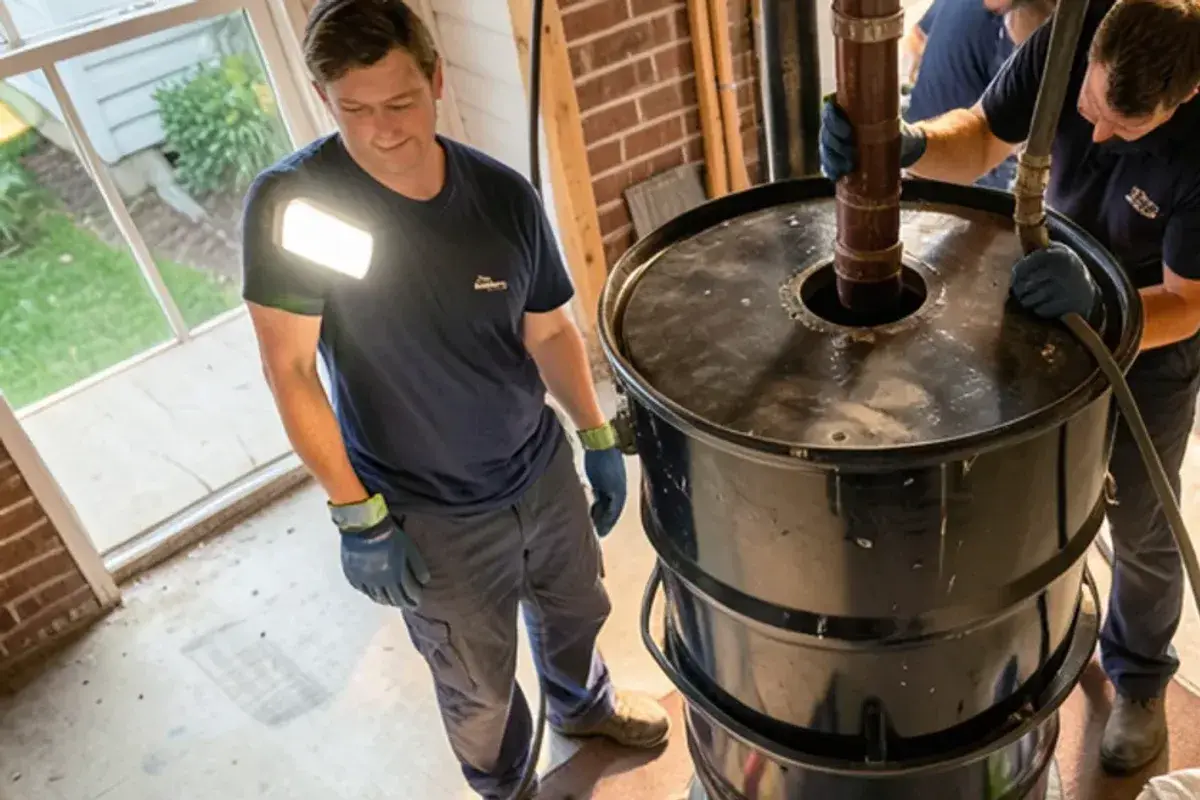
Most clogs are cleared with a cable machine, the tool people call a snake. A small drum machine with a quarter- or three-eighths-inch cable handles sink and tub branches. Main lines get a heavier sectional or drum machine with a cutting head sized for 3- or 4-inch pipe, and a root saw when roots are the problem.
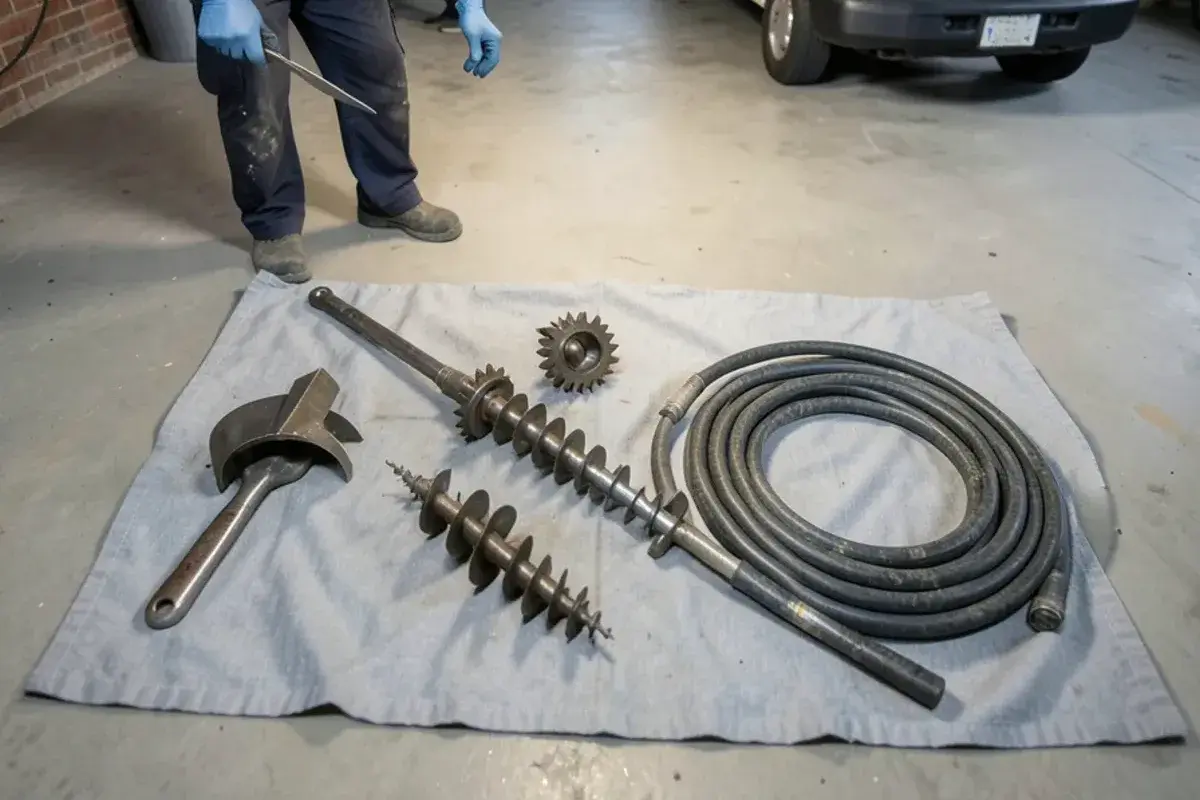
A cable opens a path through the clog. It doesn't scrub the whole pipe wall. That's fine for hair, a wipe wad or a soft grease plug. It's a poor fit for a kitchen line coated in grease or a cast iron drain thick with scale, where the line slows again within weeks. Those lines are better served by hydro jetting, which uses high-pressure water to clean the full circumference of the pipe. Jetting costs more, needs a cleanout and needs a pipe that's in one piece, so it's a second step, not a first one.
What a drain cleaning visit covers
Clogged drain service is narrower than people expect, and that's a good thing. The goal is a line that flows at full volume and a clear answer about why it stopped. A typical visit includes:
- testing fixtures to tell a branch clog from a main line clog
- opening the nearest trap or cleanout, or pulling a toilet where there isn't one
- clearing the line with a cable and head sized for that pipe
- a full-volume flow test at the fixtures that were backing up
- a plain account of what came back on the cutter and whether a camera is worth it
When a camera look is worth it
A plumber will usually suggest a sewer camera inspection when roots come back on the cutter, when the cable stops at the same spot every time, when the same line clogs more than once in a year, or when you're buying or selling the house. If a cable clears the line and nothing on the blade looks wrong, a camera usually isn't needed that day.
How drain cleaning in Macomb works, step by step
- When you call, we ask which fixtures are slow, how long it's been going on and what you've already tried. Mention any chemical cleaner in the pipe so the plumber can protect their hands and eyes.
- The plumber runs water at several fixtures to confirm whether it's a branch or the main.
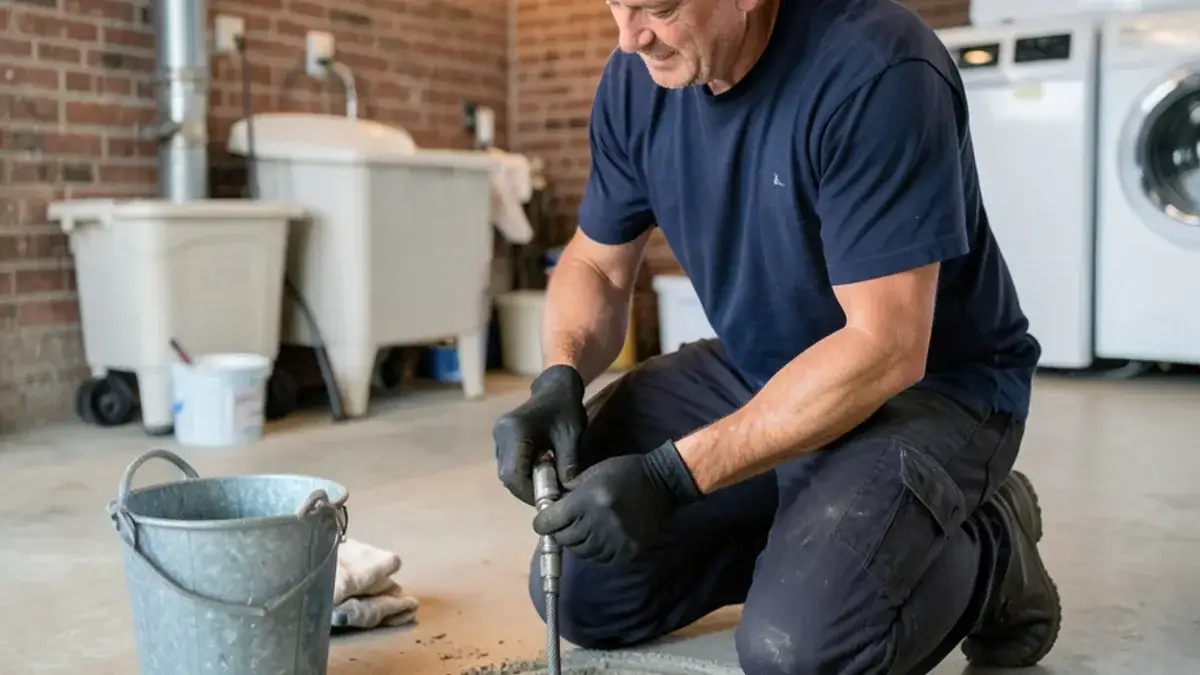
- Drop cloths go down, then the closest access comes open: a trap, a branch cleanout, the main cleanout in the basement floor or, when there's no cleanout, a pulled toilet.
- The cable goes in until the clog breaks, then a few passes more. What comes back on the head tells the story: grease, hair, roots or scale chips.
- Water runs hard at the fixtures that were backing up. A drain that takes a full laundry tub or a running shower without rising is open.
- The cleanout plug goes back in, the area gets wiped down, and you hear what the plumber found and whether it's likely to come back.
Permits, cleanouts and local sewer rules
LARA, Michigan's licensing and construction codes agency, doesn't require a permit for clearing stoppages as long as the existing piping and fixtures aren't altered. If the job grows into cutting out pipe or adding a cleanout where there isn't one, that part needs a permit from your township or city building department, pulled by a licensed plumbing contractor or by a homeowner for the single-family home they live in. Ask for the contractor license number and check it on LARA's online lookup. Two local rules can come up on a drain call. Macomb Township's code bans sending sump, footing drain or other groundwater into the sanitary sewer, so a sump line tied into a floor drain has to be rerouted. And Fraser holds the homeowner responsible for a blockage between the house and the city main.
What affects the cost of clearing a clogged drain
There's no single price for a clogged drain service, because the work varies a lot. These are the things that move it:
- Which line is clogged: a sink branch is a smaller job than the main line out to the street.
- Access: a clean, reachable cleanout is quicker than pulling a toilet or working through a roof vent.
- Distance to the blockage and what it's made of, since roots and scale take longer than a soft clog.
- Old cleanout plugs that are rusted in place and have to be cut out and replaced.
- Whether a camera or jetting is added after the line is open.
- Timing, since calls outside regular hours cost more.
In the post-war neighborhoods of the south county, a main cleanout plug that hasn't been opened in decades is common and adds time. The plumber walks you through these before starting, so the price isn't a surprise.
Why call Plumbers in Macomb, MI about a clogged drain?
You get one number for every plumbing problem, from a slow bathroom sink to water at the floor drain. Plumbers in Macomb, MI is a referral service, so your call goes to an independent local plumber who covers your area. Describe which fixtures are acting up and the plumber can say when they're able to come, with no form to fill out first. These pages explain how a branch clog differs from a main line clog, what moves the cost and when a permit applies, so you can ask the plumber good questions, such as what came back on the cable and whether a camera would change anything.
Keeping drains clear after the visit
Wipe greasy pans with a paper towel and put grease in the trash, never down the sink. Put strainers in tubs and showers. Flush only toilet paper; skip even wipes labeled flushable. Run cold water after using a disposal, and see our kitchen plumbing repair page if a sink keeps slowing despite that. If a camera has confirmed roots in a clay lateral, a cleaning schedule keeps them in check until the joint is repaired. Then read why your drain keeps clogging after it is cleared.
Drain cleaning: questions we hear
What does a clogged drain service visit include?
The plumber tests the slow fixtures to tell a branch clog from the main line, opens the nearest cleanout or trap and clears the pipe with a cable sized for it. Water then runs at full flow to prove the line is open, and you hear what came out.
Does drain cleaning cover main drains or only sink and tub drains?
Yes, both. Main drain cleaning covers the building drain under the basement floor and the sewer lateral out to the street, using a heavier machine and cutting heads. If roots or broken pipe turn up on the blade, the plumber will say so and explain what a camera would add.
What should I do if a drain backs up at night or on a weekend?
Stop running water anywhere in the house, including the washer and dishwasher, so the backup doesn't spread. Call (207) 419-2600 and describe what you're seeing. The call goes to an independent plumber who covers your area and can tell you when they're able to come. If sewage is on the floor, keep kids and pets away from it.
Is chemical drain cleaner safe to try first?
No. Caustic and acid openers rarely clear a main line, they can damage old metal and plastic drains, and the person who opens the pipe next gets splashed with whatever is still sitting in it. If you've already poured some in, tell the plumber before they open the line.
Does clearing a clog need a permit in Michigan?
No. LARA's plumbing permit rules exempt clearing stoppages as long as the existing piping and fixtures aren't altered. If the job turns into replacing pipe or adding a cleanout, that part becomes permitted work, and the permit comes from your township or city building department before it starts.
How often should a main sewer drain be cleaned?
Only as often as it needs it. A main line that clears and stays open doesn't need routine cleaning. When roots in a clay lateral bring the clog back on a pattern, a camera look sets the interval, and some homeowners book a root cutting before the usual return date until the joint is repaired.