Call (207) 419-2600 with what's happening and your street, and we'll connect you with a plumber who works in St. Clair Shores. Plumbing here comes down to post-war houses and a sewer that carries rainwater and sewage in the same pipes.
1950s bungalows, combined sewers and low canal lots
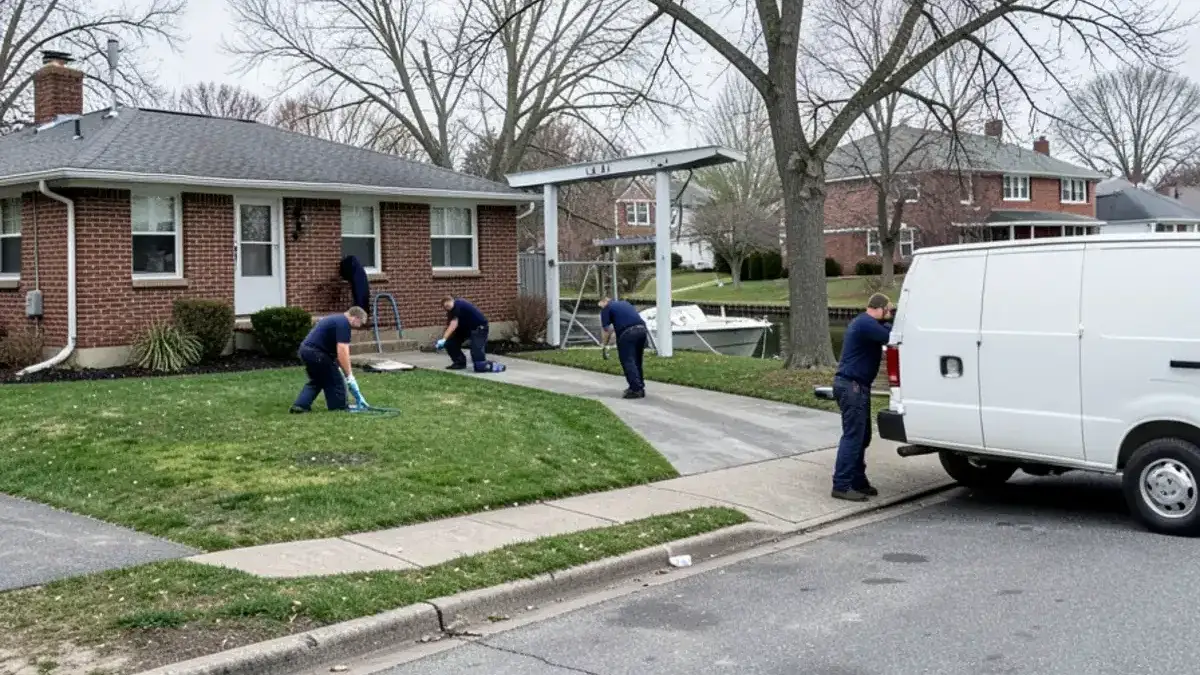
The median home in St. Clair Shores was built in 1957, and 57 percent went up between 1940 and 1959. Fewer than 3 percent are from 2000 or later. About 82 percent are detached single-family houses and 83 percent are owner-occupied, mostly post-war brick ranches and bungalows plus homes on the lakefront and along the canals.
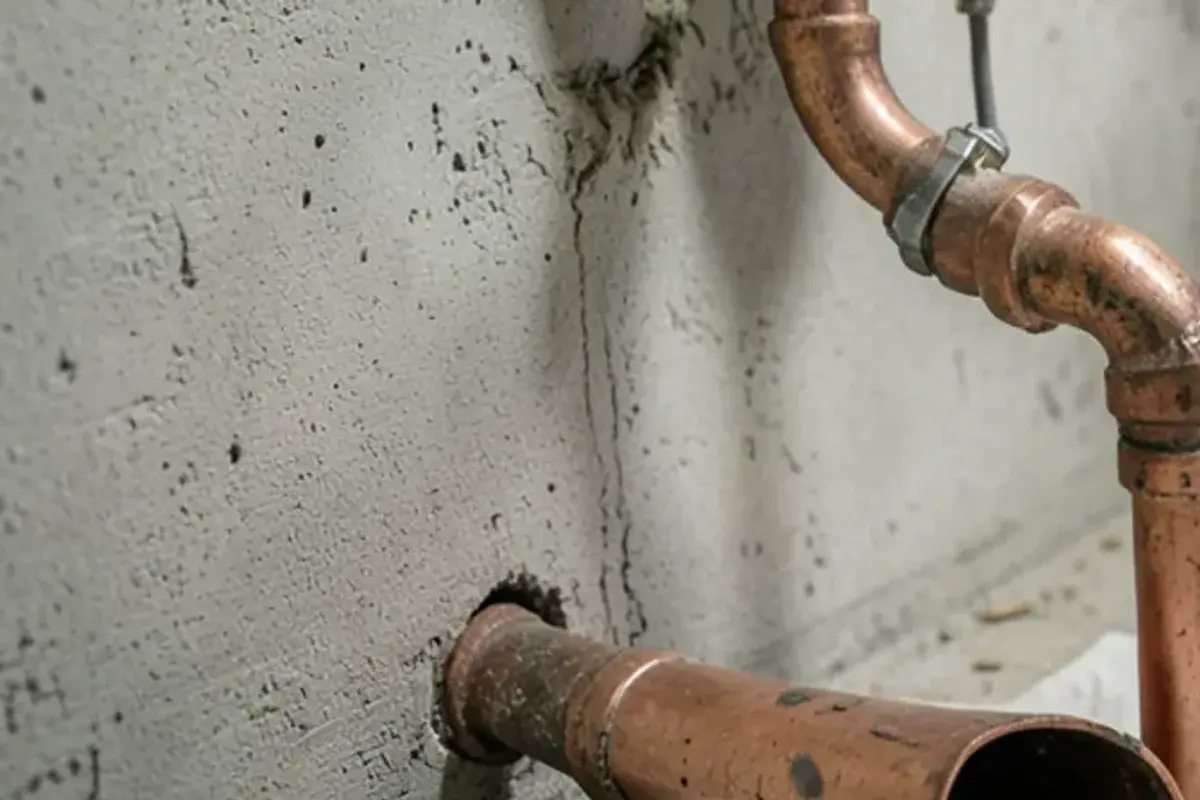
That era usually means galvanized or early copper supply, cast iron drains, and a clay lateral to the main. That's a starting guess, and a plumber confirms it on site. Galvanized pipe rusts from the inside, so upstairs pressure fades over the years. Clay joints shift and let roots in, so a camera run comes before any decision about sewer line repair.

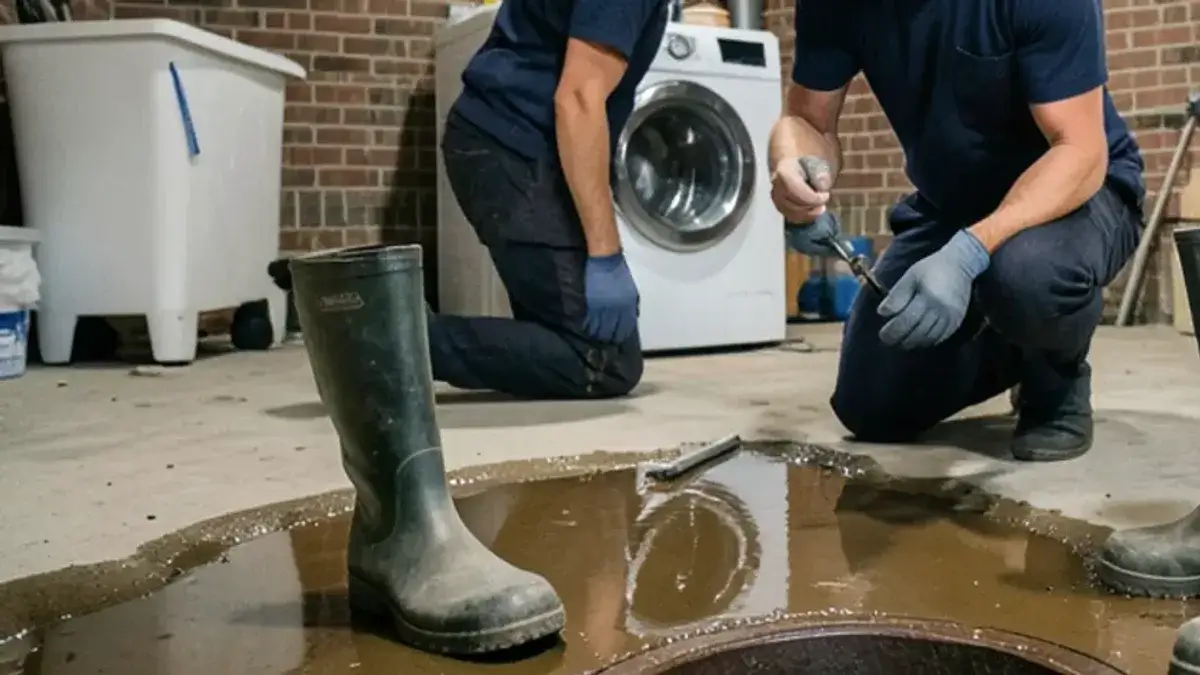
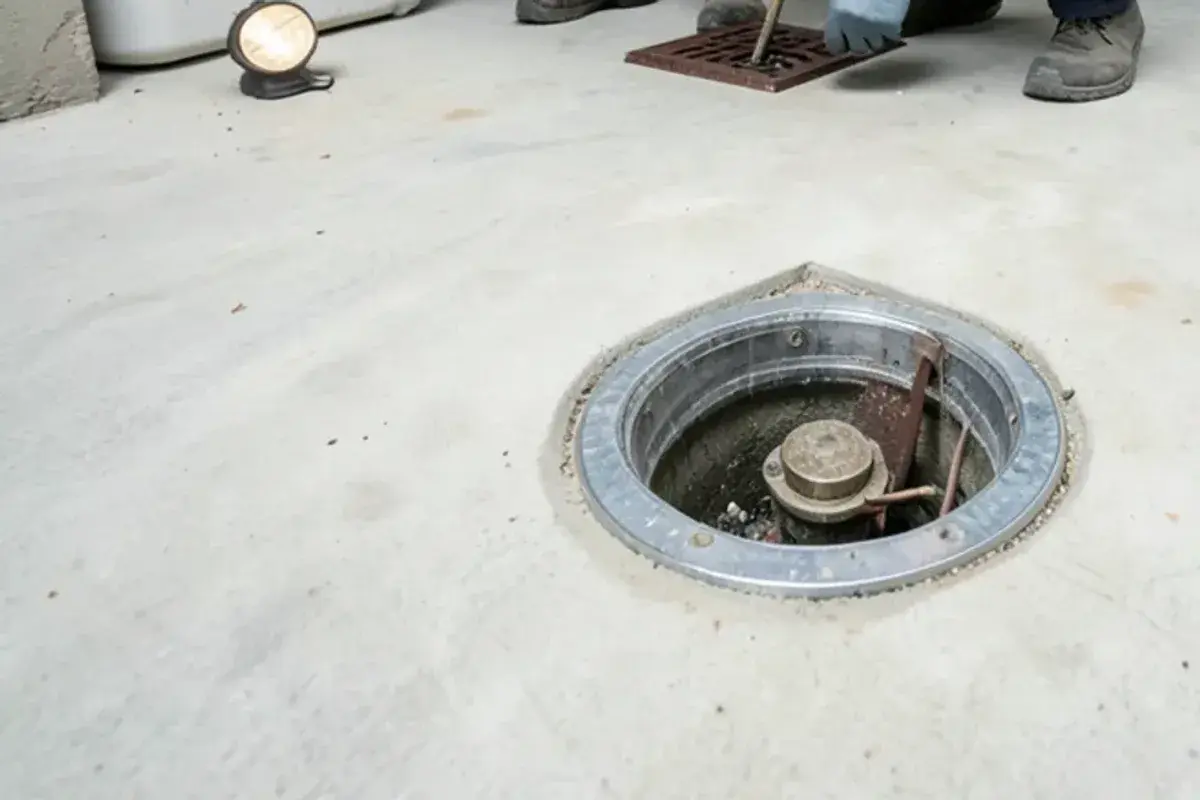
Under the streets, Macomb County Public Works calls St. Clair Shores and Eastpointe two of the county's oldest communities and says their sewer systems become overwhelmed in heavy rain. When the main fills, the floor drain is the low point, and canal lots tend to sit lowest of all. A backwater valve on the building drain shuts when the street main surcharges, so storm flow stays out of the basement. Our guide to a sewage backup in the basement covers cleanup.
Lake-side basement taking storm water? Call (207) 419-2600
- Your call goes to an independent local plumbing company that does the work.
The Chapaton basin, two sewer districts and lake water
Combined overflow goes to the Chapaton Retention Basin at the foot of Nine Mile Rd, east of Jefferson. The county's 2019 report says it treats the flow and, 6 to 12 times a year on average, releases it to Lake St. Clair. A rebuilt basin unveiled in September 2025 has room for 17 million gallons, and officials project it will cut overflows by half. Parts of the city also drain through the Martin district, whose basin sits on Bon Brae, and the 8½ Mile Relief Drain district shared with Eastpointe.
The city buys GLWA water from the Northeast and Lake Huron plants. Its latest report counts 25,202 service lines. Between 2020 and 2025 the city replaced 485 lead lines, and 13 lead and 612 unknown-material lines remain.
Plumbing services lakeshore homes need most
These six follow from the city's sewers, its housing age and its service line records.
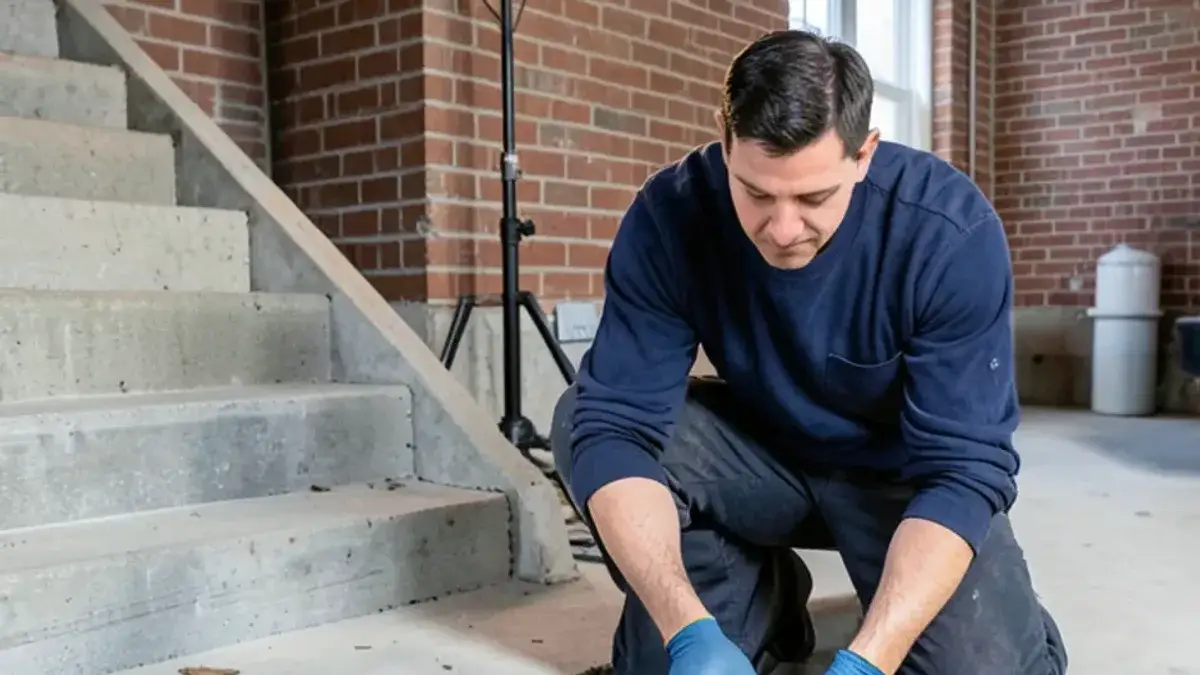
Basement flooding prevention
County Public Works says the city's combined sewers become overwhelmed in heavy rain, and a backwater valve on the building drain keeps that surge out of a St. Clair Shores floor drain.
Basement flooding prevention: Read more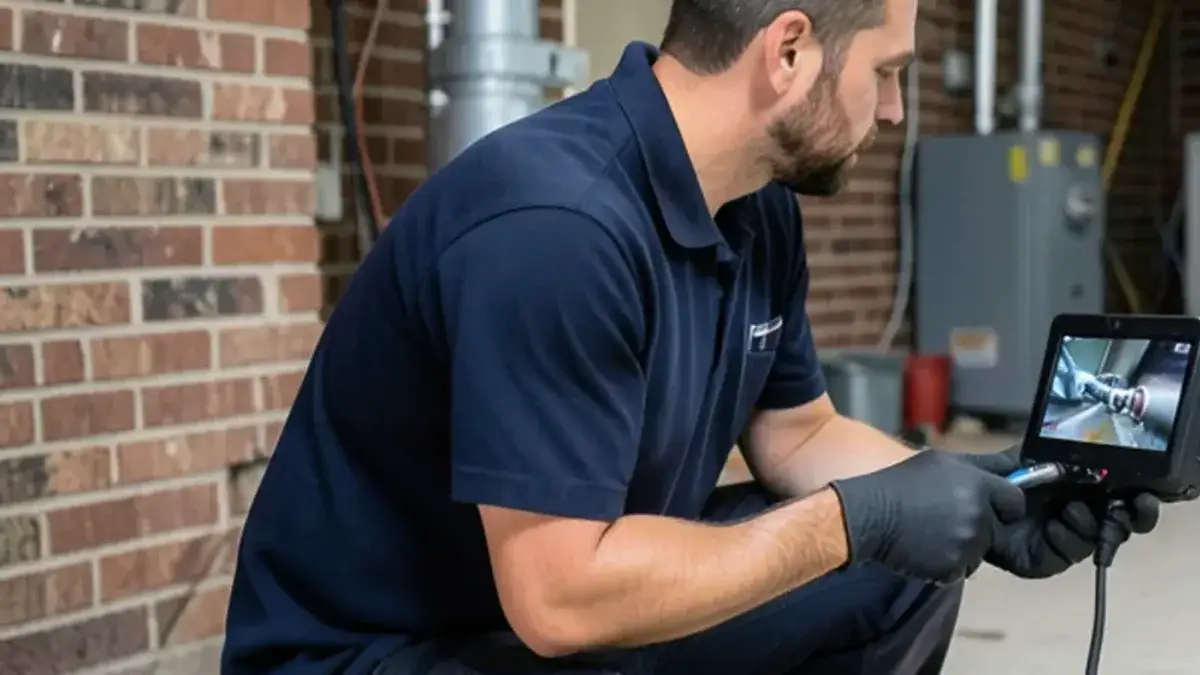
Sewer camera inspection
57 percent of homes here went up between 1940 and 1959, when clay laterals were standard, so a camera run is the sensible first look before anyone prices a repair or a dig.
Sewer camera inspection: Read more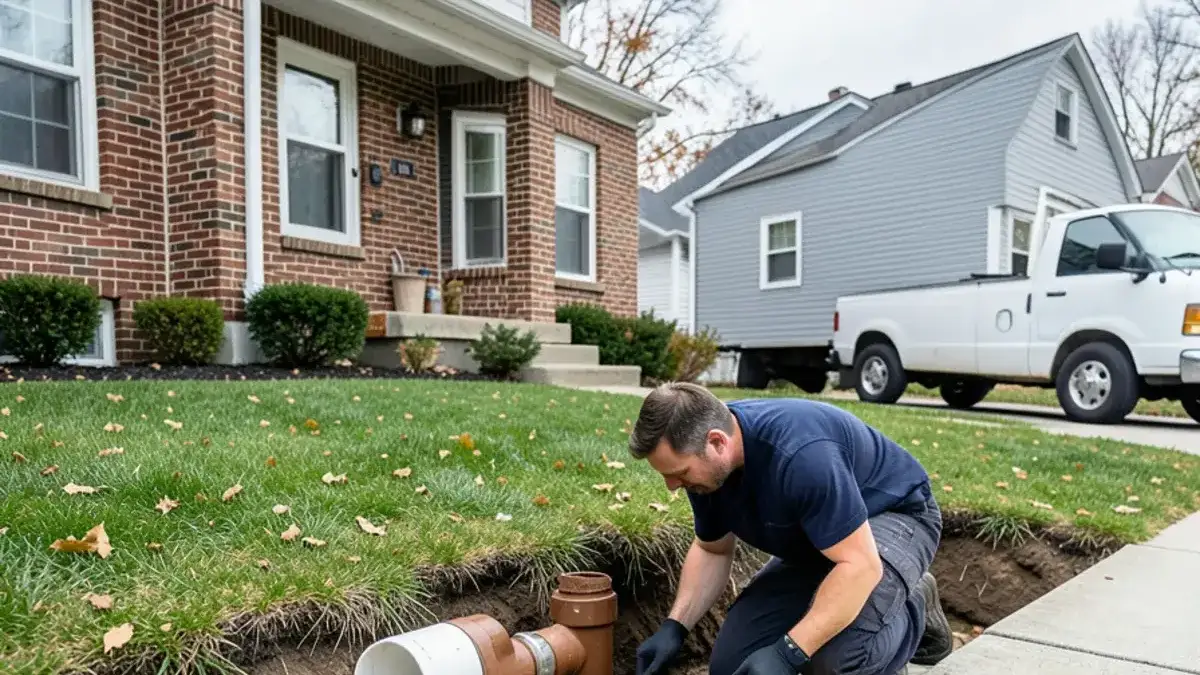
Sewer line repair
Clay joints and cast iron from the post-war building boom crack, sag and take in roots, and in St. Clair Shores the repair options follow what the camera shows on screen.
Sewer line repair: Read more
Main water line repair
St. Clair Shores still counts 13 lead and 612 unknown-material service lines out of 25,202, so some owners have yet to learn what runs from the street to the basement meter.
Main water line repair: Read more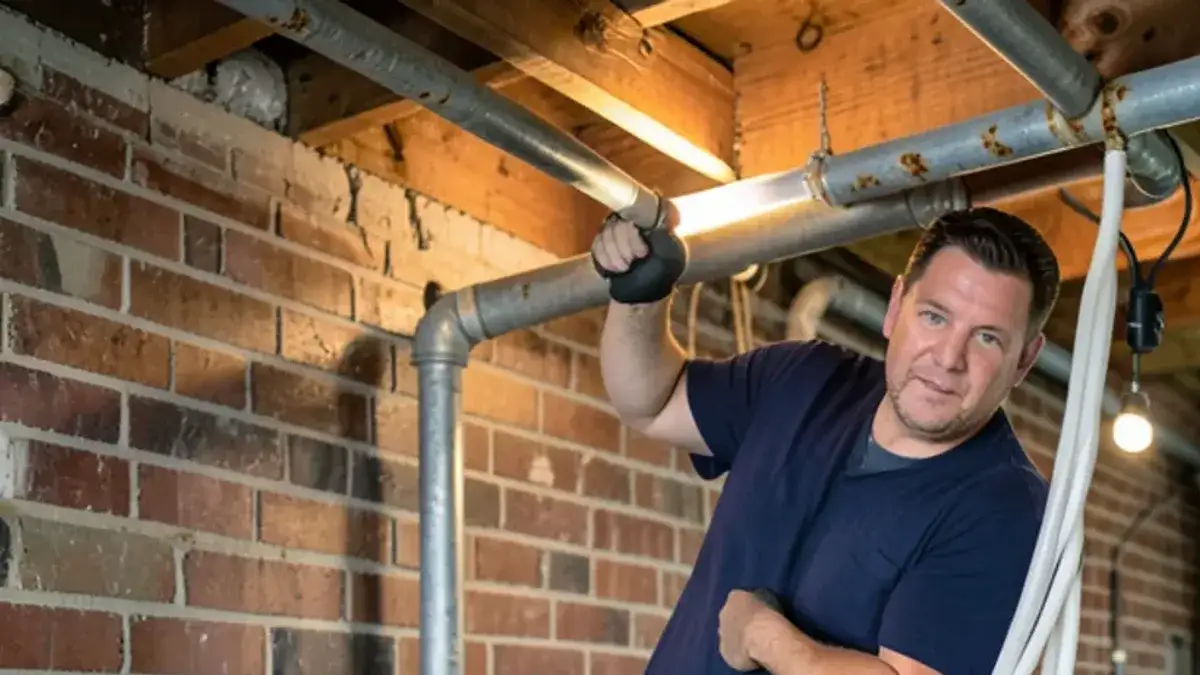
Repiping
Galvanized supply pipe was common in the city's 1940s and 1950s bungalows, and decades of rust inside it are why an upstairs faucet can trickle while the kitchen tap runs fine.
Repiping: Read more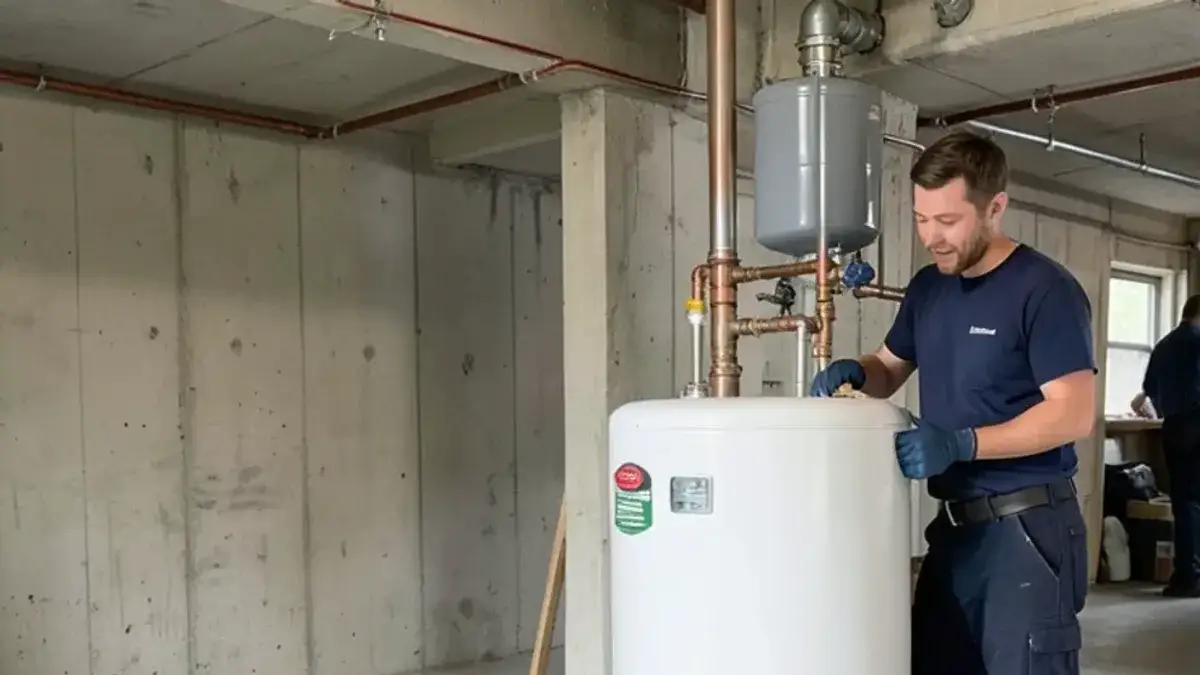
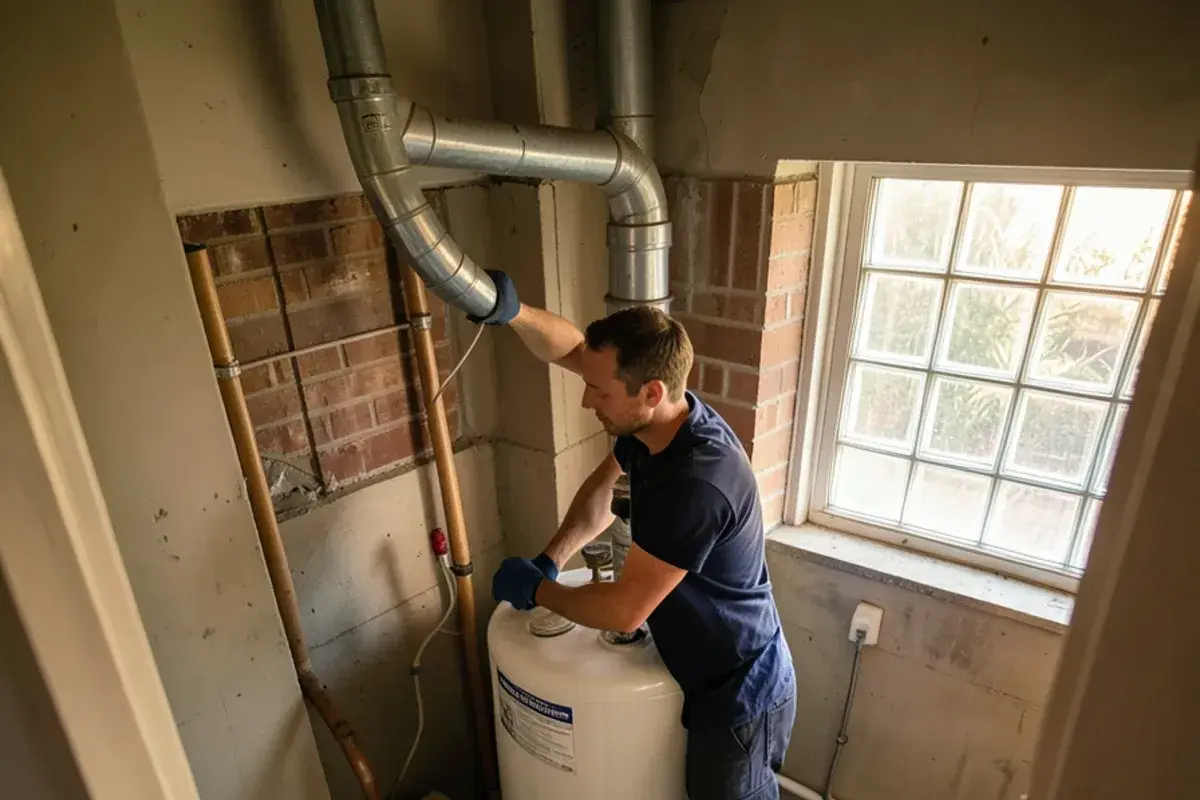
Water heater installation
About 83 percent of St. Clair Shores homes are owner-occupied, so the tank is usually yours to replace, and the Building Department publishes the plumbing permit and fee schedule that covers the swap.
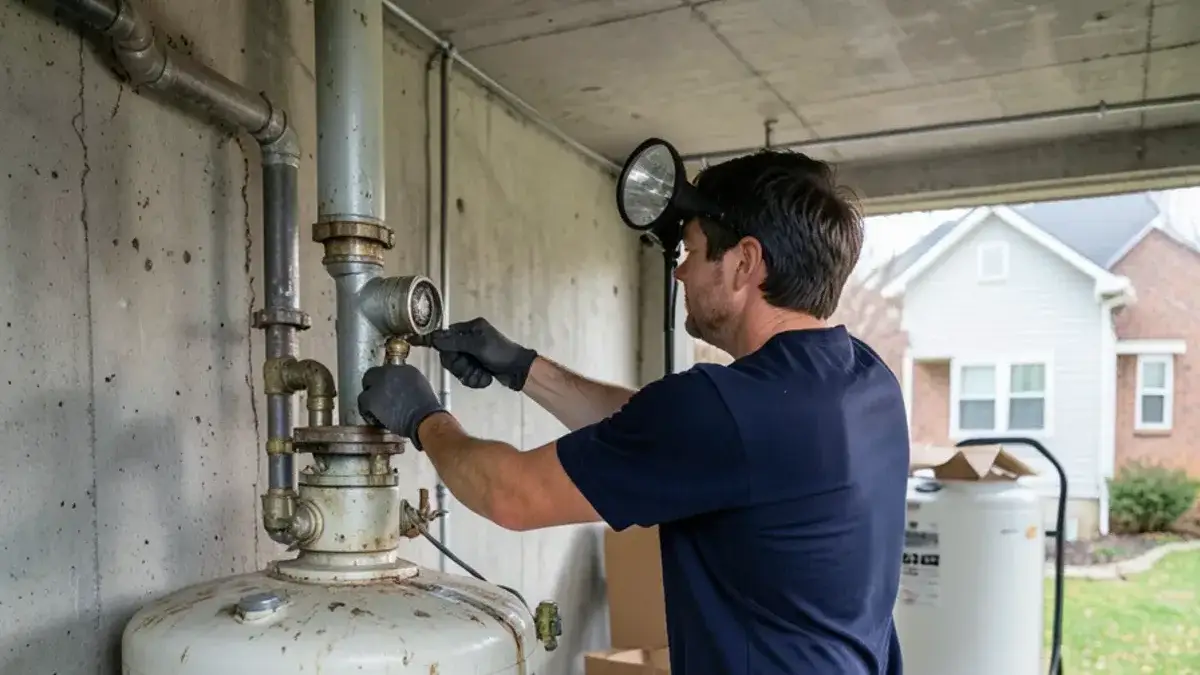
Water heater installation: Read moreHow a visit works on a low canal lot near the lake
When you call, give your street and say whether the back of the house faces a canal. Those lots sit low, so the floor drain is often where a storm backup shows first. If you already reported the backup to the DPW, mention it, and say whether water came up during the storm or after it. We pass those details to the plumber you're connected with.
On site, the plumber starts with a look at the problem. You hear what was found, the options and the cost drivers, and work begins after your OK, followed by testing and cleanup.
Marinas, parks and permits along Jefferson
The Nautical Mile is the marina-lined run of Jefferson Ave between 9 and 10 Mile. City hall is on the same avenue at 27600 Jefferson, and Blossom Heath Park and Memorial Park are both city landmarks. Sewer backups are reported to the DPW under Michigan PA 222, and flood claim forms go to Finance. The Building Department publishes the city's plumbing permit and fee schedule. Homes here use ZIP codes 48080, 48081 and 48082.
St. Clair Shores plumbing questions
Why does my St. Clair Shores basement back up when it storms?
Much of the city's sewer system is combined, so rain and sewage share the same pipes, and county Public Works says those pipes get overwhelmed in heavy rain. When the main surcharges, water looks for the lowest opening, which is often a basement floor drain. A backwater valve on the building drain closes against that flow. If it happens, report it to the city's DPW and send written notice within the 45 days Michigan's sewer backup law allows.
Does St. Clair Shores still have lead water lines?
Yes, a few. The city's latest water report counts 13 lead lines and 612 of unknown material out of 25,202, after replacing 485 lead lines from 2020 to 2025. Michigan puts lead line replacement on the water system. Lead tests stayed low in 2025, with a 90th percentile of 1 part per billion.
Is a permit needed to add a backwater valve in a St. Clair Shores basement?
Yes. Fitting one means cutting into the building drain, which goes past Michigan's narrow exemption for faucet and valve parts and clearing stoppages. The city's Building Department publishes a plumbing permit and fee schedule, and the permit comes from a licensed plumbing contractor or a homeowner working on the house they live in. Ask the plumber who pulls it before the floor is opened.