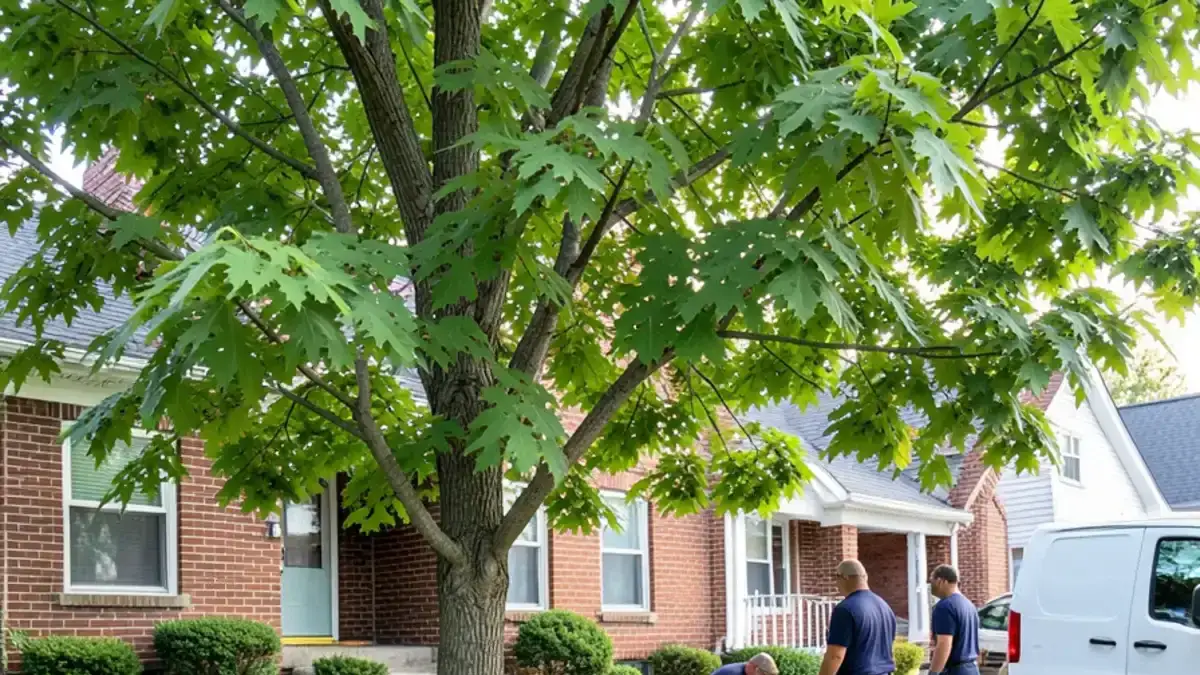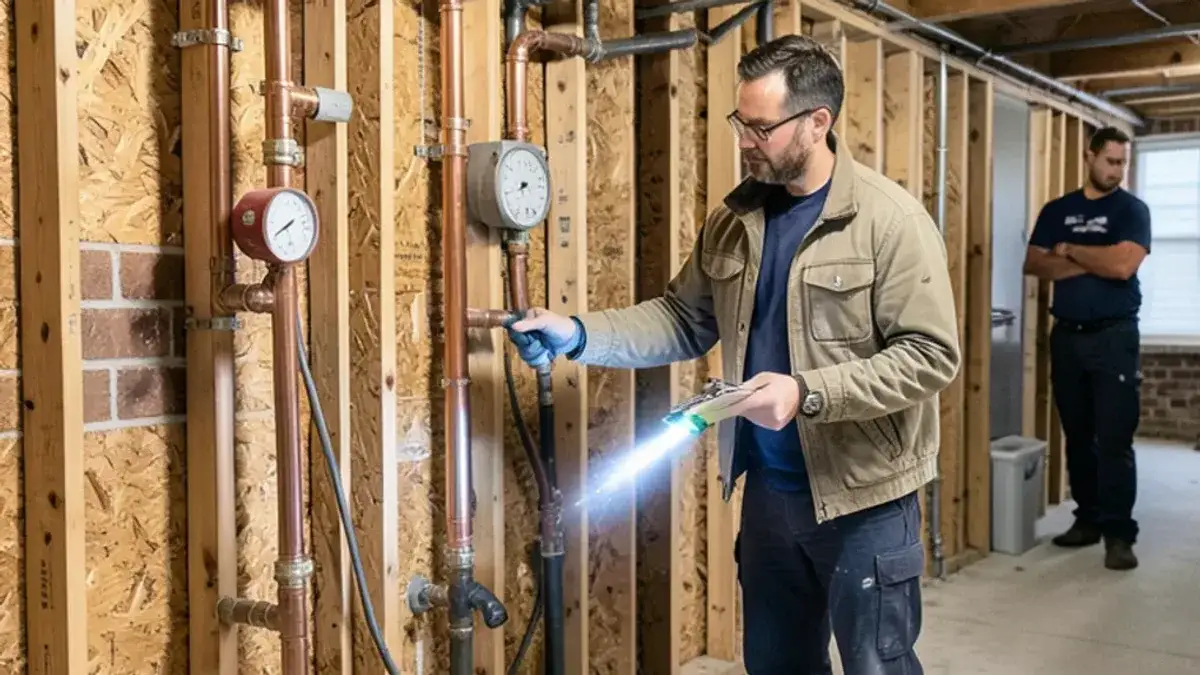
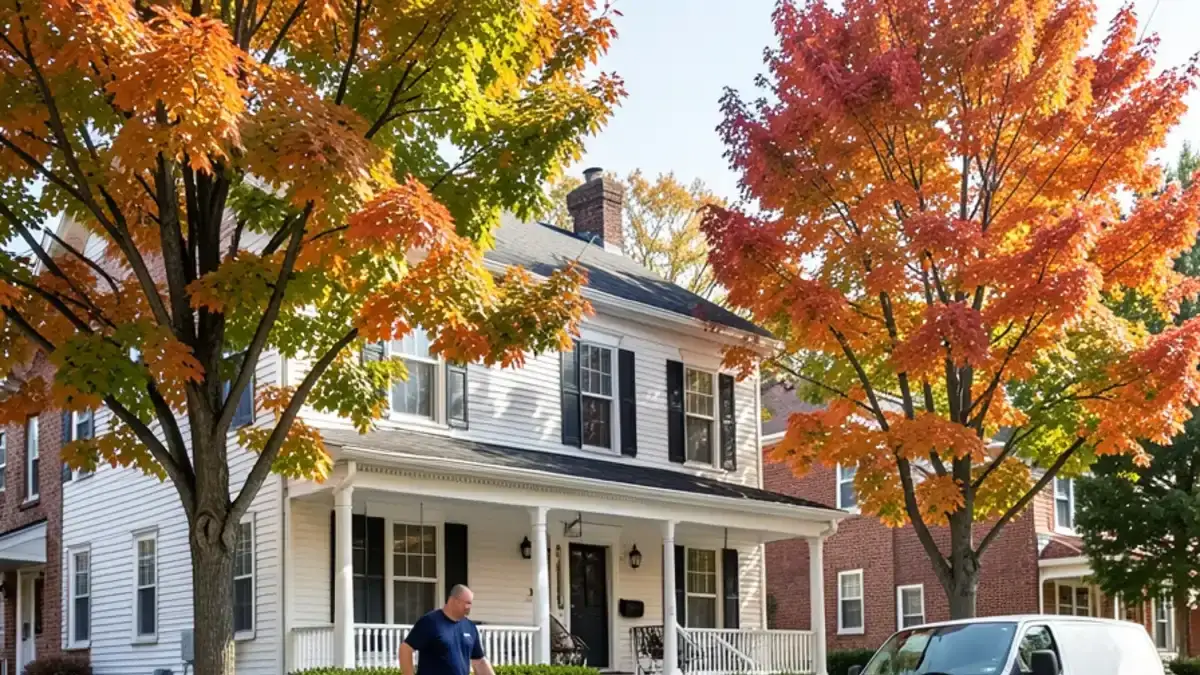
Tell us what's happening when you call, and you'll be connected with a local plumber who works this far north. Expect old pipes: more Romeo houses date from before 1960 than from any later era.
Historic village houses and their pre-1960 plumbing
Census figures put Romeo's median year built at 1965. That number hides how old the core is: 44% of homes went up before 1960, about 31% between 1960 and 1989, and only a quarter since 1990. About two-thirds are owner-occupied.
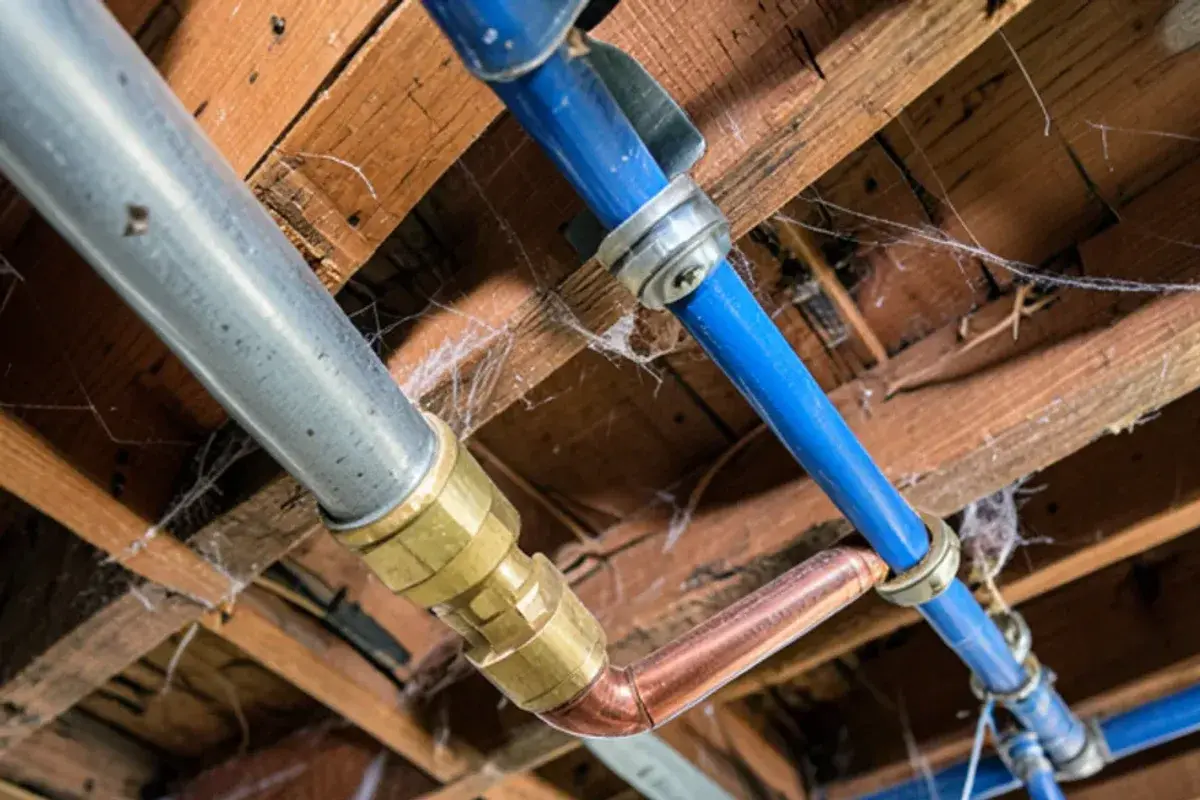
Inside the historic district, many houses date to the 19th and early 20th centuries. Homes of that age typically started with galvanized supply lines with cast iron or clay drains, then picked up a copper repair in one decade and a PEX branch in the next. Every joint between unlike metals is a spot for corrosion, and galvanized pipe closes up from the inside until a shower barely runs. Clay laterals out to the street let roots in at the joints. Those are era patterns; only a look confirms what's in yours.
Where the waste goes depends on which side of the village line you're on. Village homes drain to the village's own treatment plant on 32 Mile Rd. Bruce Township says only a limited area of the township has sanitary sewers, with septic fields and wells permitted by the county health department, so a farmhouse a mile out may have a septic tank instead of a lateral.
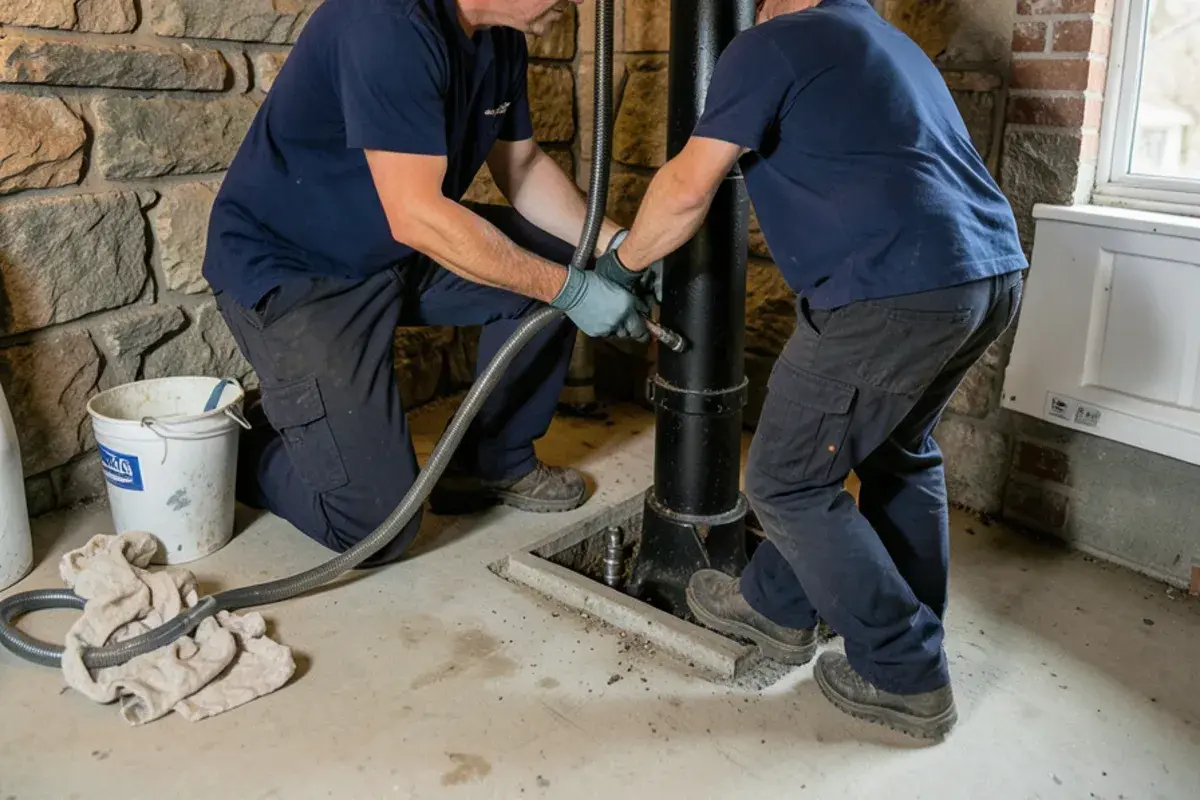
Village wells, water main breaks and your service line
Inside the village, tap water comes from several groundwater wells, and the Industrial Park is the exception on GLWA water. The village's 2025 water report lists 1,575 service lines: zero lead, and 548 of unknown material. Its Water Service Line Program has an online viewer and asks owners to report what their line is made of. Copper is penny-colored, galvanized steel holds a magnet, and lead is soft, dull gray, shiny where scratched, and ignores a magnet.
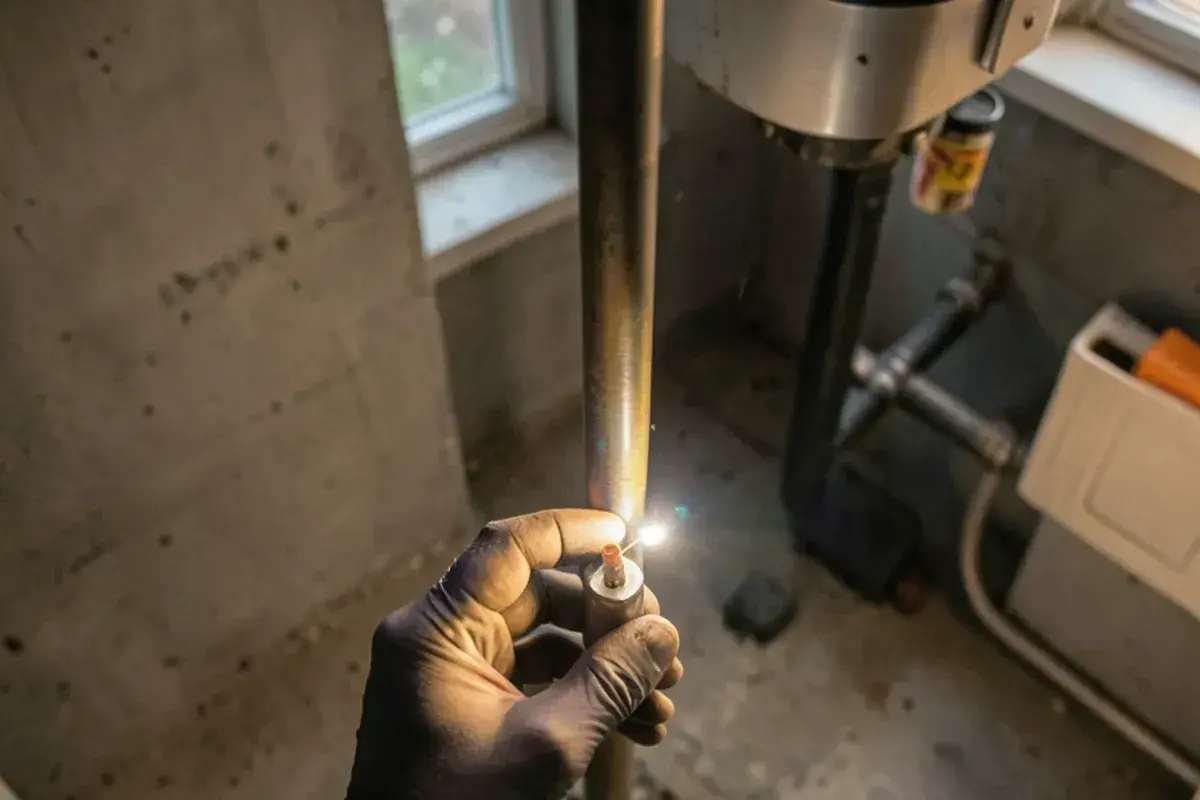
Well water reads differently from lake water, too. The same report shows 140 ppm of sodium at wells 5 and 6, against about 4 ppm in the Lake Huron water piped to the Industrial Park. Test your own tap before sizing a softener or filter, and mention anyone in the house who limits salt before choosing a salt-based softener. A private well outside the village needs the same test.
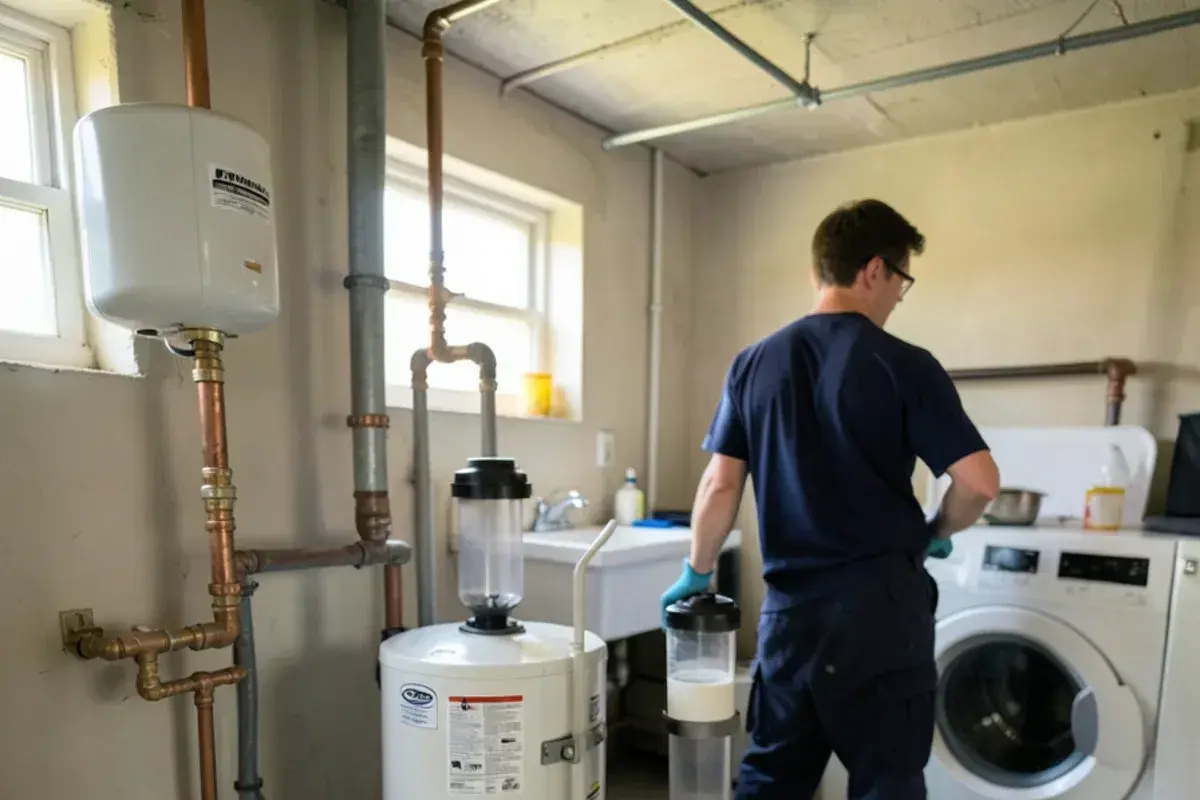
This fall brought a boil water advisory after a main break, lifted on September 29, 2026, and another main break update on October 2. Pressure swings and sediment after a break are hard on old faucets, aerators and water heaters.
Around the village, from the creek to 32 Mile Rd
East Pond Creek crosses the east side of the village on its way to the North Branch of the Clinton River, and Van Dyke (M-53) runs along the same side. The Macomb Orchard Trail has a Romeo trailhead, and the village keeps Village Park. The Department of Public Works sits at 70350 Powell Road between 32 and 33 Mile, and its 2025 report sends after-hours water and sewer emergencies on the village system to the Romeo Police Department. Romeo's ZIP code is 48065.
Permits for village homes run through the Village of Romeo Building Department, and its plumbing and mechanical permits are valid for one year from the date of issue. Homes outside the line in Bruce Township get permits from the township's building department, which requires plumbing permits on top of building permits. In the historic district, the Historic District Commission reviews construction, alteration and demolition, so raise any change to the outside with the village first. Our guide to Michigan plumbing permits covers who can pull one and what's exempt.
Plumbing for Romeo houses in the village and the township
Century-old pipe, clay laterals and village well water point to these seven services:
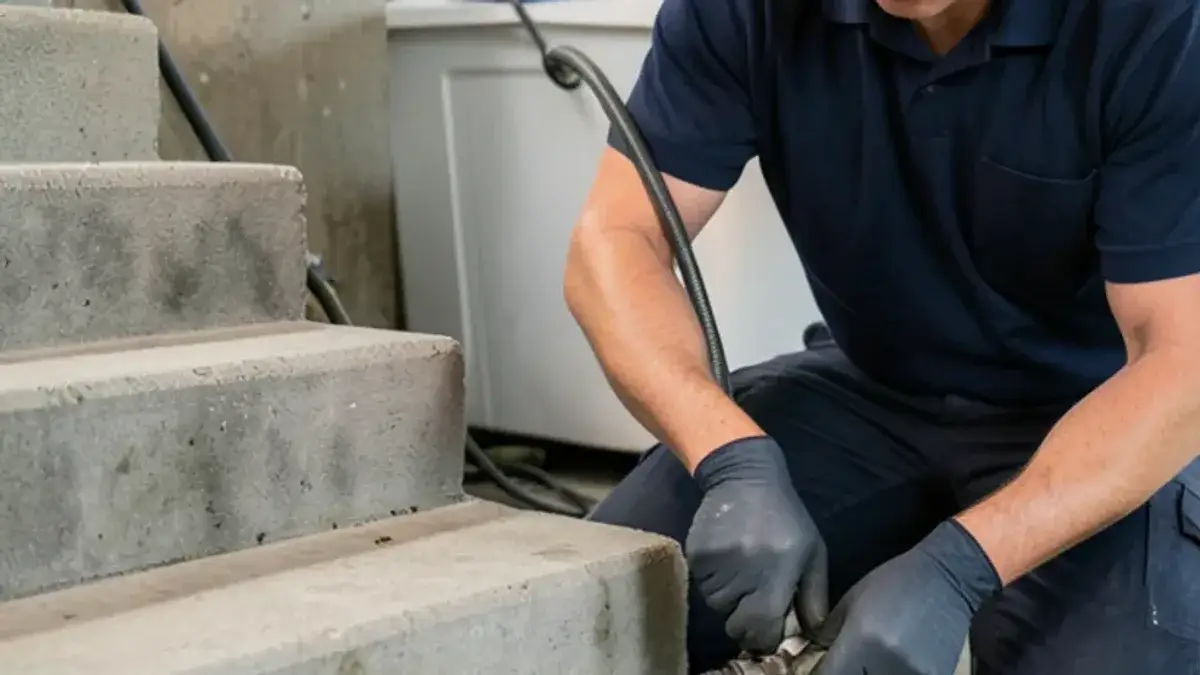
Drain cleaning
Nearly half of Romeo's homes were built before 1960, when cast iron and clay drains were standard, and both collect scale and roots that slow a main line long before it fully stops.
Drain cleaning: Read more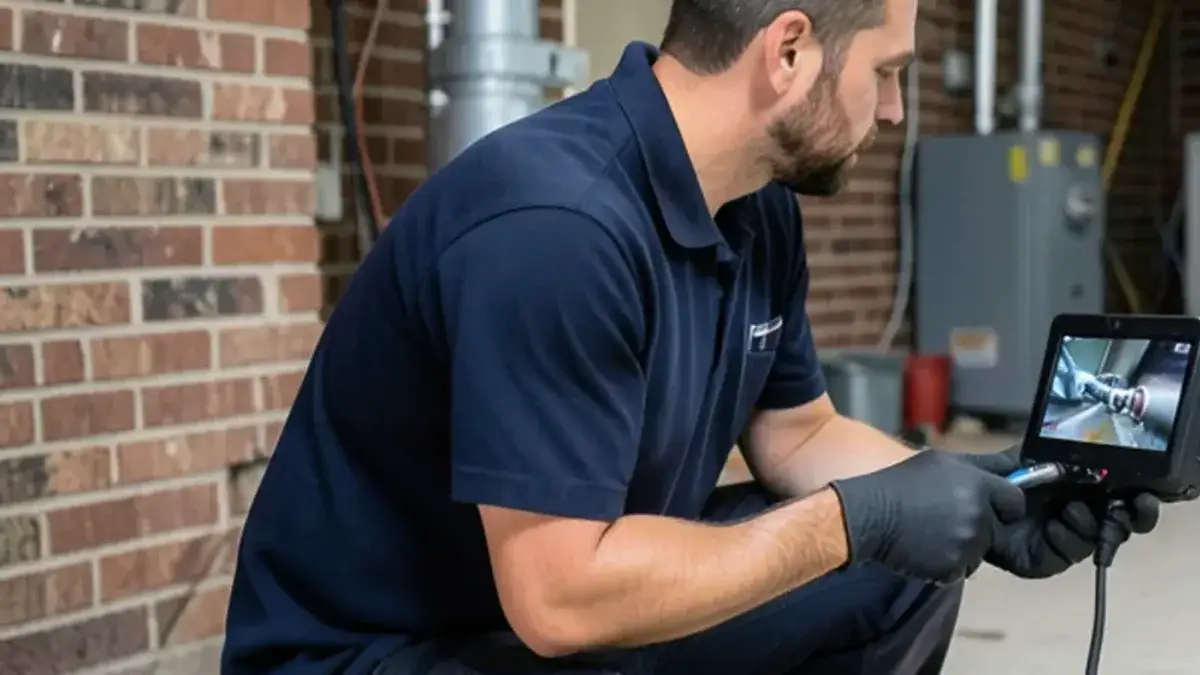
Sewer camera inspection
A camera finds the root or offset in an old clay lateral before anyone digs up a front yard in the historic district, where outside changes can draw Historic District Commission review.
Sewer camera inspection: Read more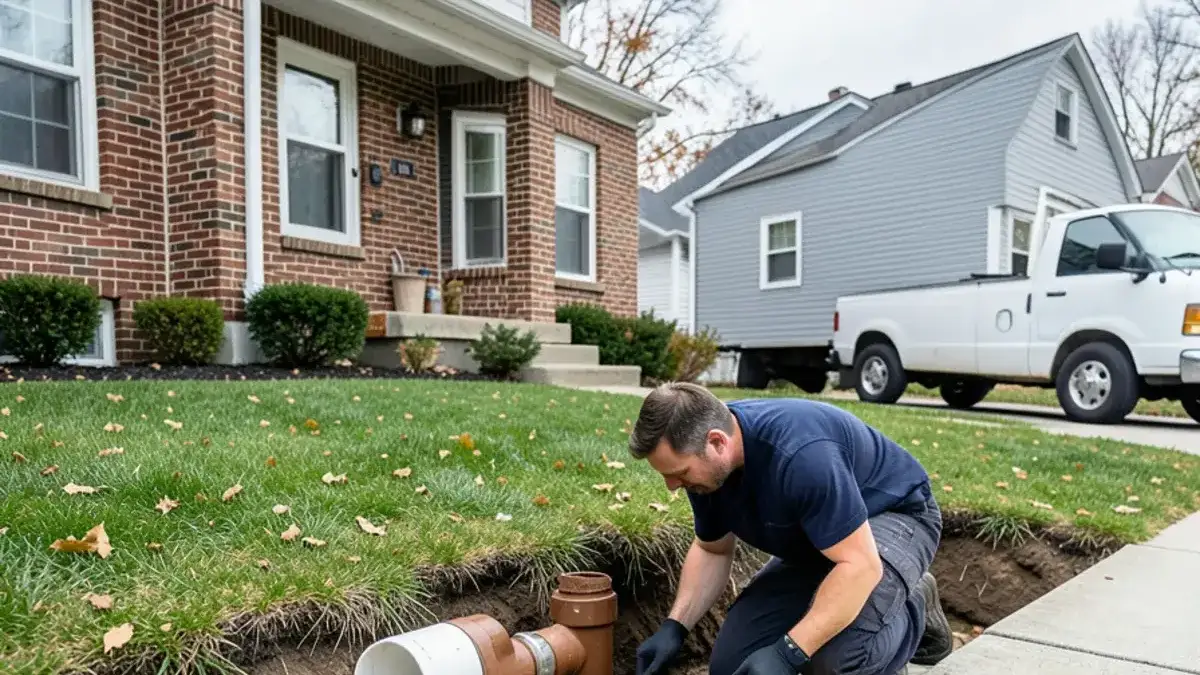
Sewer line repair
Clay laterals under century-old village lots crack and separate at the joints, and a repair that opens a street-facing yard in the historic district may need a word with the village first.
Sewer line repair: Read more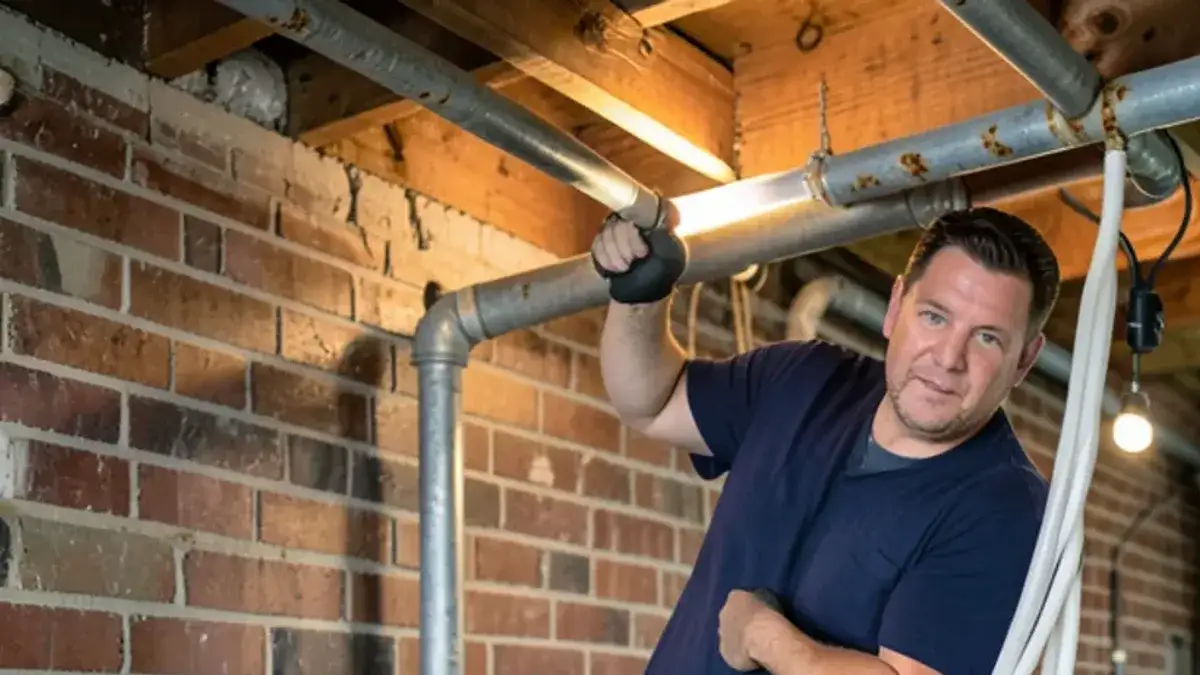
Repiping
Nineteenth- and early-1900s village homes often carry galvanized pipe spliced to decades of copper and plastic patches, and every joint between unlike metals is a weak spot for corrosion and low pressure.
Repiping: Read more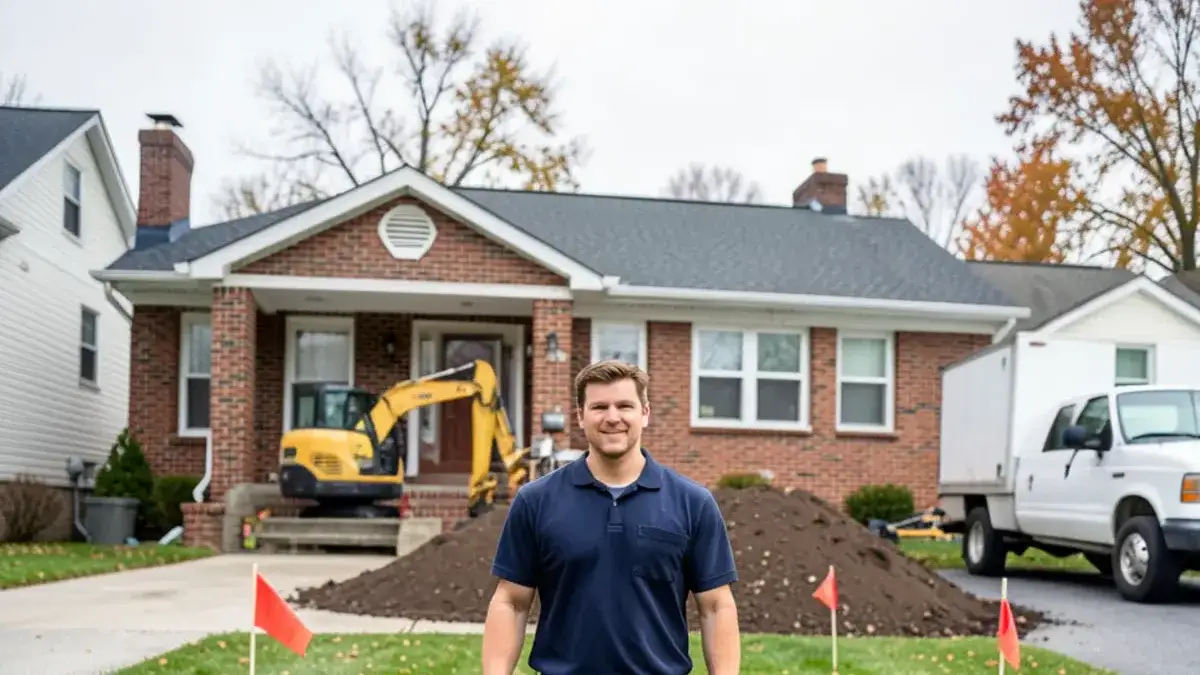
Main water line repair
The village counts 548 service lines of unknown material out of 1,575 and asks owners to report theirs, and old lines take a beating when village mains break nearby, as they did this fall.
Main water line repair: Read more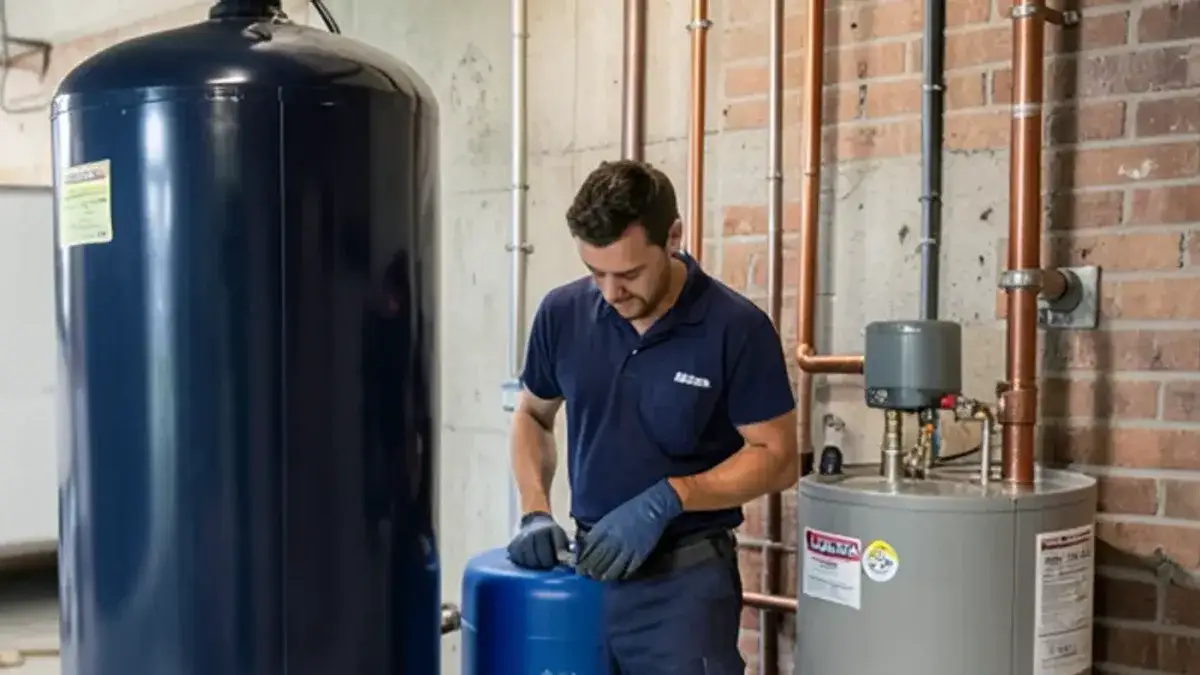
Water softeners and filtration
Village water comes from groundwater wells, with 140 ppm of sodium measured at wells 5 and 6, so a softener or filter should be chosen from a test of your own tap, not a county average.
Water softeners and filtration: Read more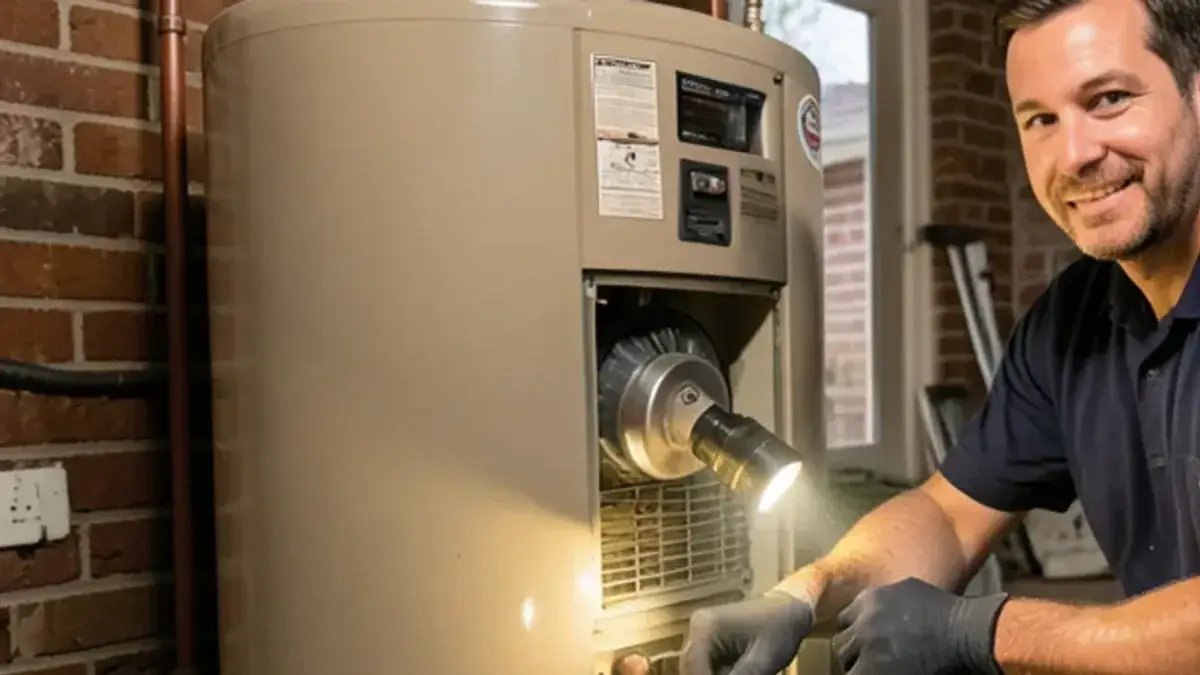
Water heater repair
Sediment stirred loose by village main breaks, like the one behind the September 2026 boil water advisory, settles in the bottom of older Romeo tank water heaters, where it rumbles and slows heating.
Water heater repair: Read moreSlow drains or weak pressure in a Romeo house? Talk to a local plumber
- Your call goes to an independent local plumbing company that does the work.
How a visit works in a century-old village house
Many Romeo houses have been patched for a hundred years. When you call, say whether you're inside the village on its wells or outside on a private well, and whether the house is in the historic district. We note it for the plumber, who then knows what to expect at the meter and the cleanout.
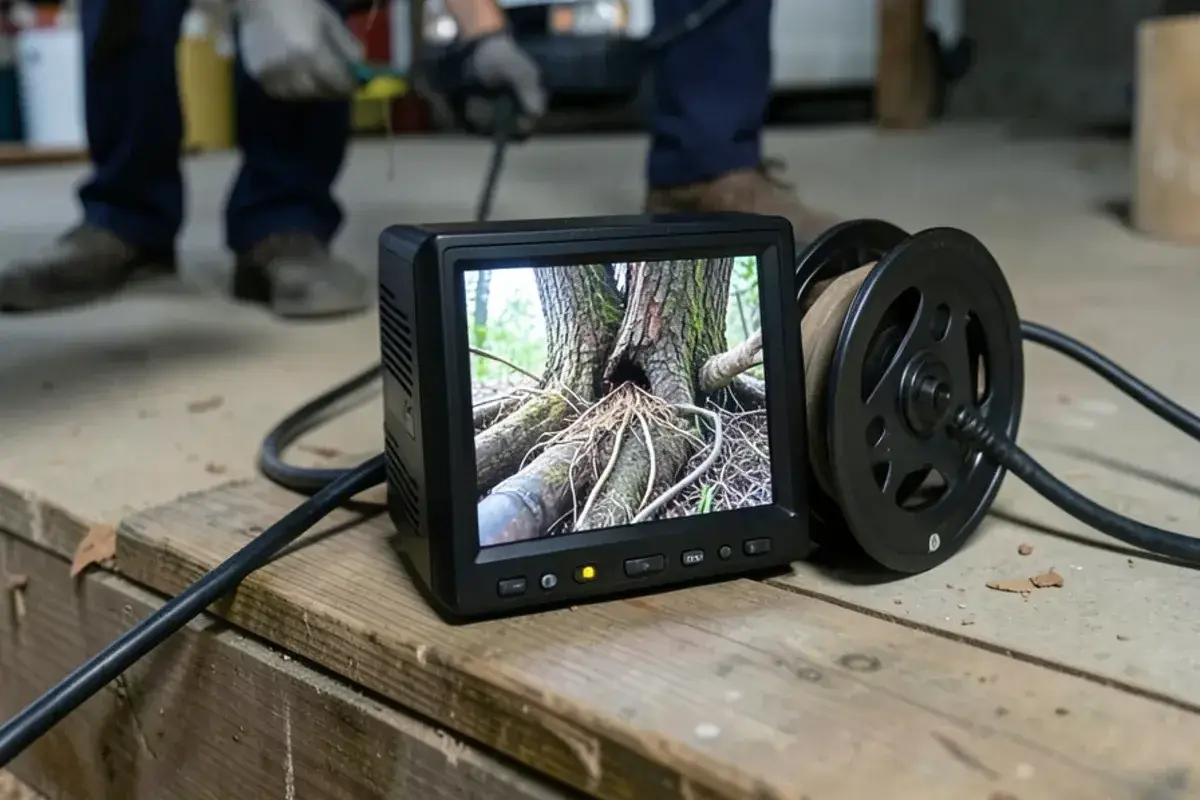
In a house this old, the first check is whether the main shutoff still closes, because a seized gate valve turns a small repair into a bigger one. The plumber then finds the source, shows you what's wrong, and walks through the options and the cost drivers before any work begins. For a slow main drain, sewer camera inspection is often the step that settles whether cleaning is enough. After the work, the plumber runs every fixture involved and cleans up.
Romeo plumbing questions
What does sewer line cleaning in Romeo involve?
The plumber clears the main line from a cleanout toward the village sewer, then runs a camera if the clog keeps coming back, since roots in a pre-1960 clay lateral regrow after cutting. If the camera shows a broken or sagging section, you'll see the footage and the repair options before deciding.
Where does Romeo's tap water come from?
Inside the village it comes from groundwater wells run by the village, according to its 2025 water quality report. The Industrial Park is the exception and gets GLWA water. Homes outside the village may be on their own private wells.
What should I do after a boil water advisory in Romeo is lifted?
Flush each cold tap for several minutes, starting with the lowest one in the house, as you would after the advisory Romeo lifted on September 29, 2026. Dump the first batches of ice, change the refrigerator filter, and run the dishwasher empty once. If the water stays cloudy or pressure drops, a plumber can check the service line, aerators and water heater for sediment.
Does plumbing work in Romeo's historic district need extra approval?
No, not for most interior repairs, which need only the normal plumbing permit from the village. The Historic District Commission reviews construction, alteration and demolition in the district, so if a job changes the outside of the house, such as a new roof vent or a trench across the front yard, ask the village before work starts.