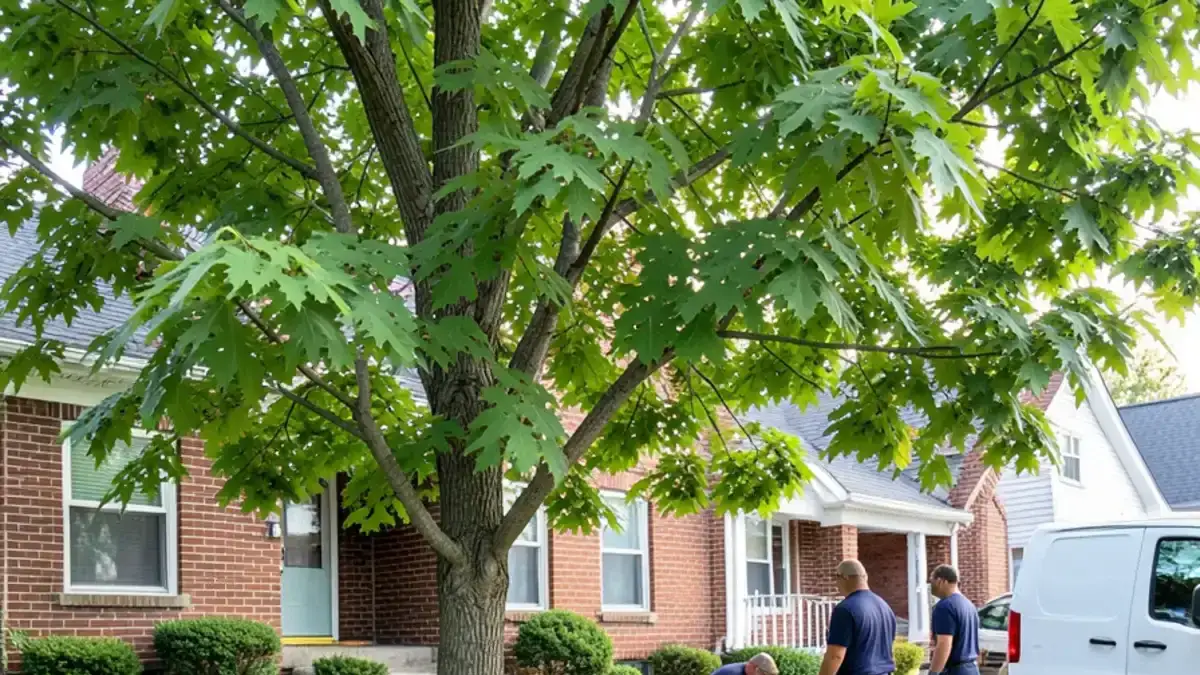
Most failing laterals here are clay or cast iron broken at joint after joint. This page helps you compare quotes on the same terms.
When should you replace a sewer line instead of repairing it?
A spot repair makes sense when the camera finds one or two bad places in otherwise sound pipe. Replacement makes sense when the footage shows trouble from end to end: roots at most clay joints, cracks every few feet, a collapsed section, a long belly, cast iron that's corroded through along the bottom, or old fiber pipe that has lost its shape. A lateral that has already been patched more than once is another candidate, since each new repair sits next to pipe of the same age.
Planning matters too. If you're about to finish a basement, add a bathroom or pour a new driveway over the line, replacing it first costs less than digging through new work later. Our sewer line repair page covers the single-defect fixes for comparison.
Weighing trench vs trenchless for your lateral? Call (207) 419-2600
- Your call goes to an independent local plumbing company that does the work.
Sewer line replacement methods: open trench, pipe bursting and lining
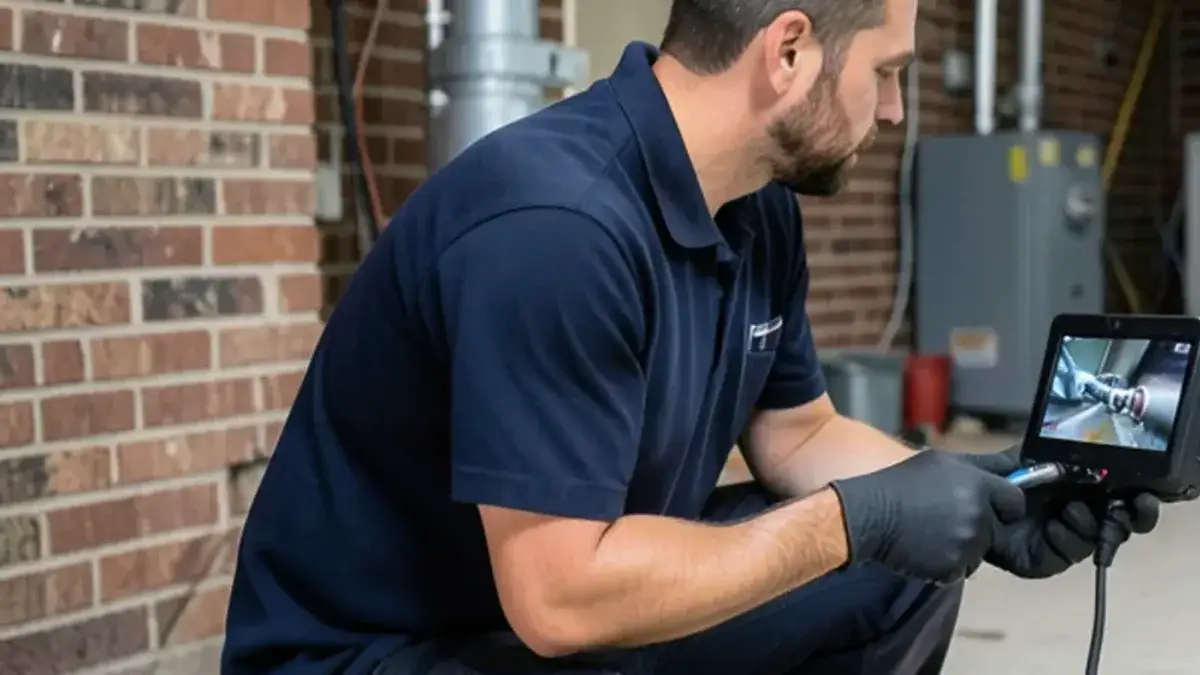
Every method starts with a full sewer camera inspection, locating the line's path and depth and the connection to the main. The footage decides which methods are even possible. Whichever method wins, a lateral replacement typically includes:
- removing, bursting or lining the old pipe from the foundation out to the connection at the main
- new PVC or HDPE pipe set to the code slope, or a liner where the old pipe allows
- a cleanout near the foundation and a transition coupling to the cast iron under the house
- the permit, the MISS DIG ticket and an inspection before anything is buried
- compacted backfill, a camera run through the new line and surface restoration as quoted
Ask which of those each quote covers, because restoration and the street connection are where quotes differ most.
Open trench
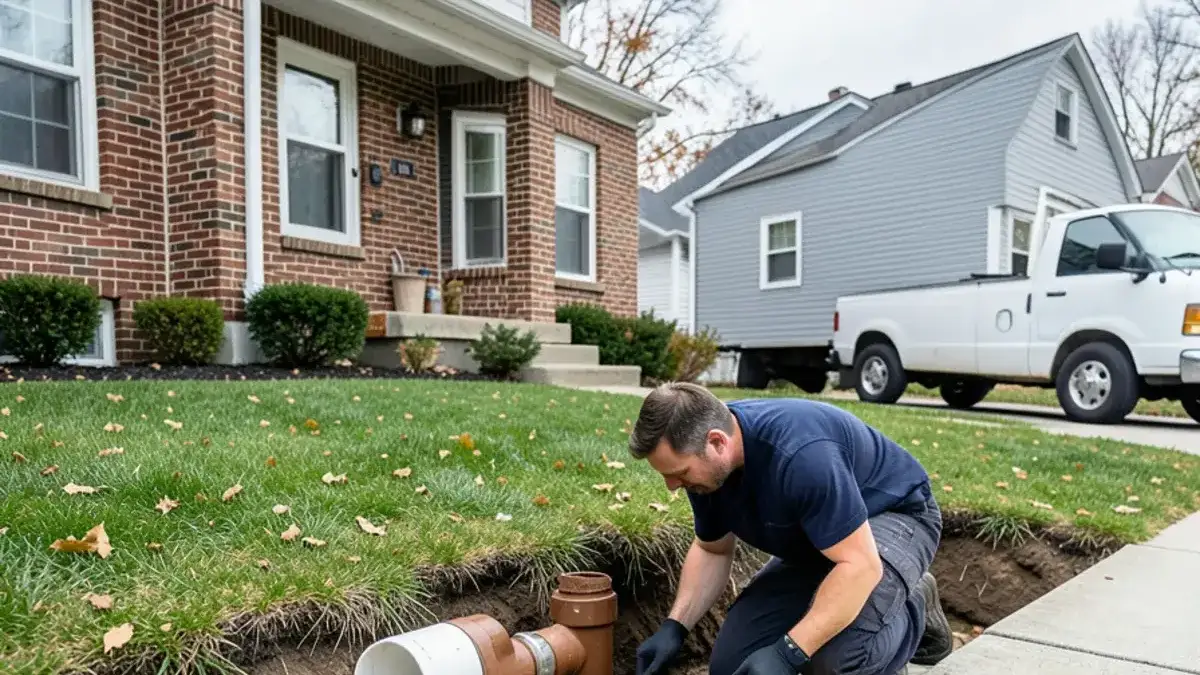
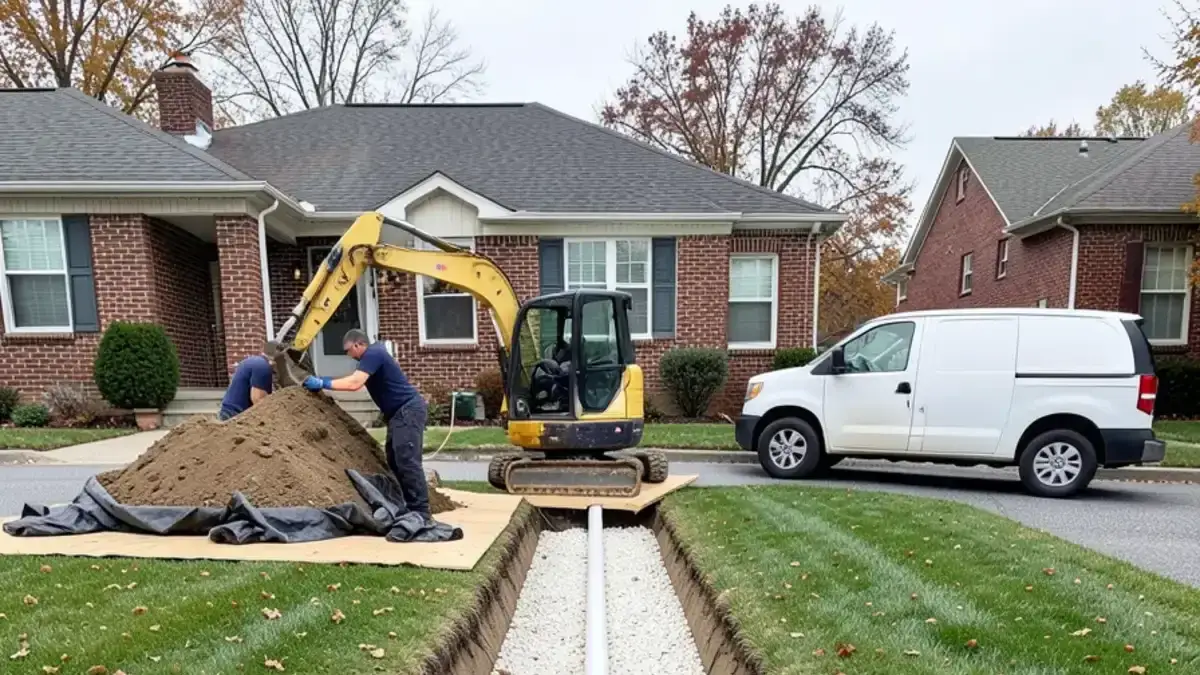
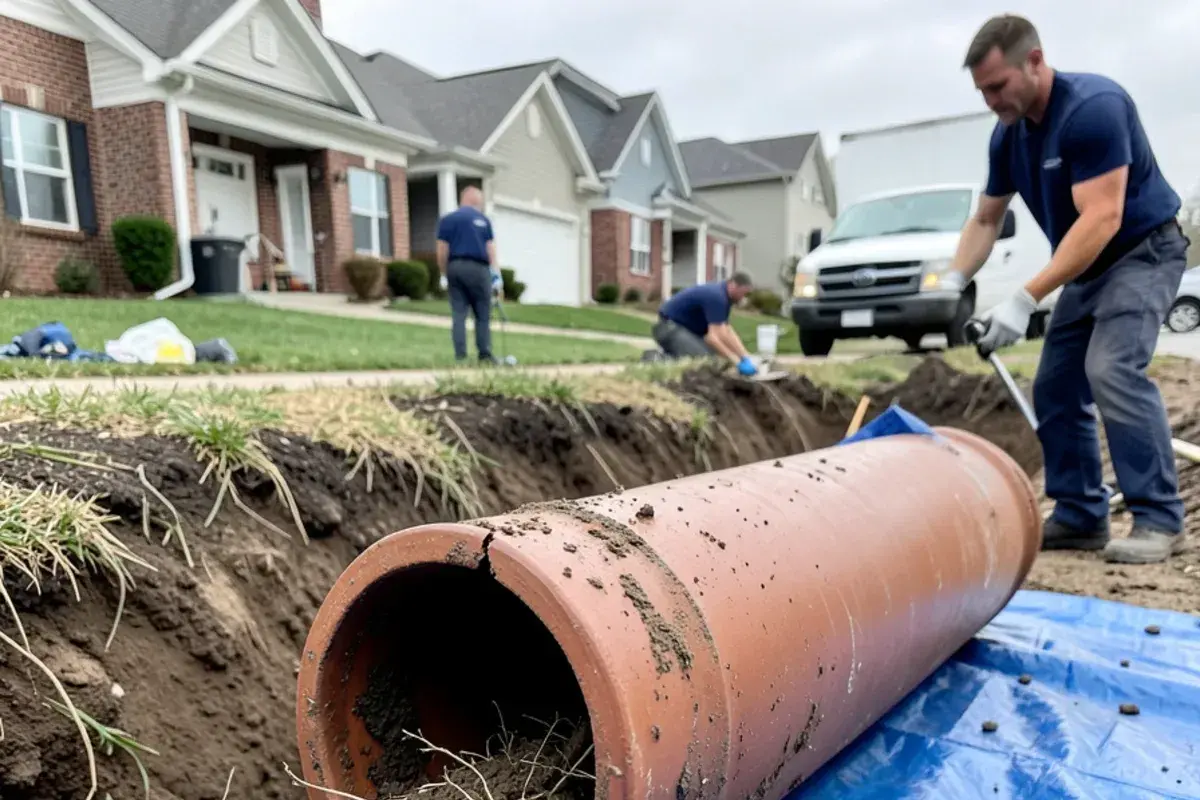
The old pipe is dug up along its full length and replaced. You get a complete view of the line, the slope can be corrected so bellies don't return, the route can change, and any approved material can go in. The trade-off is disruption: the whole run is excavated, and the lawn, driveway or walk above it has to be restored.
Pipe bursting
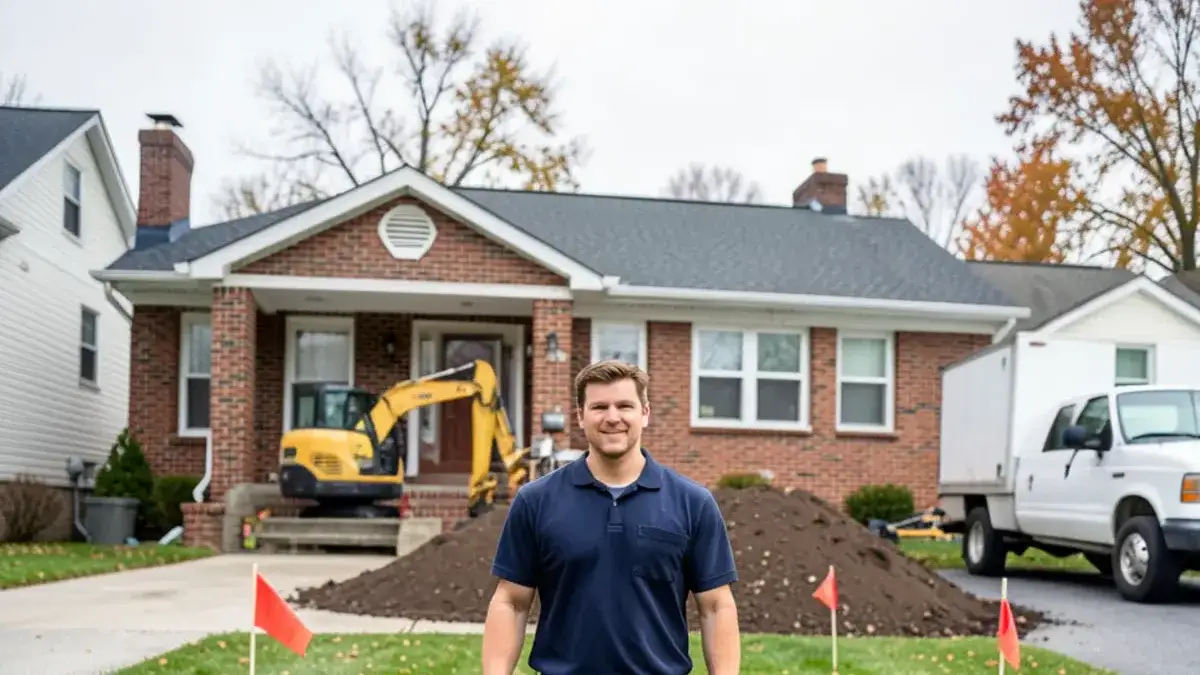
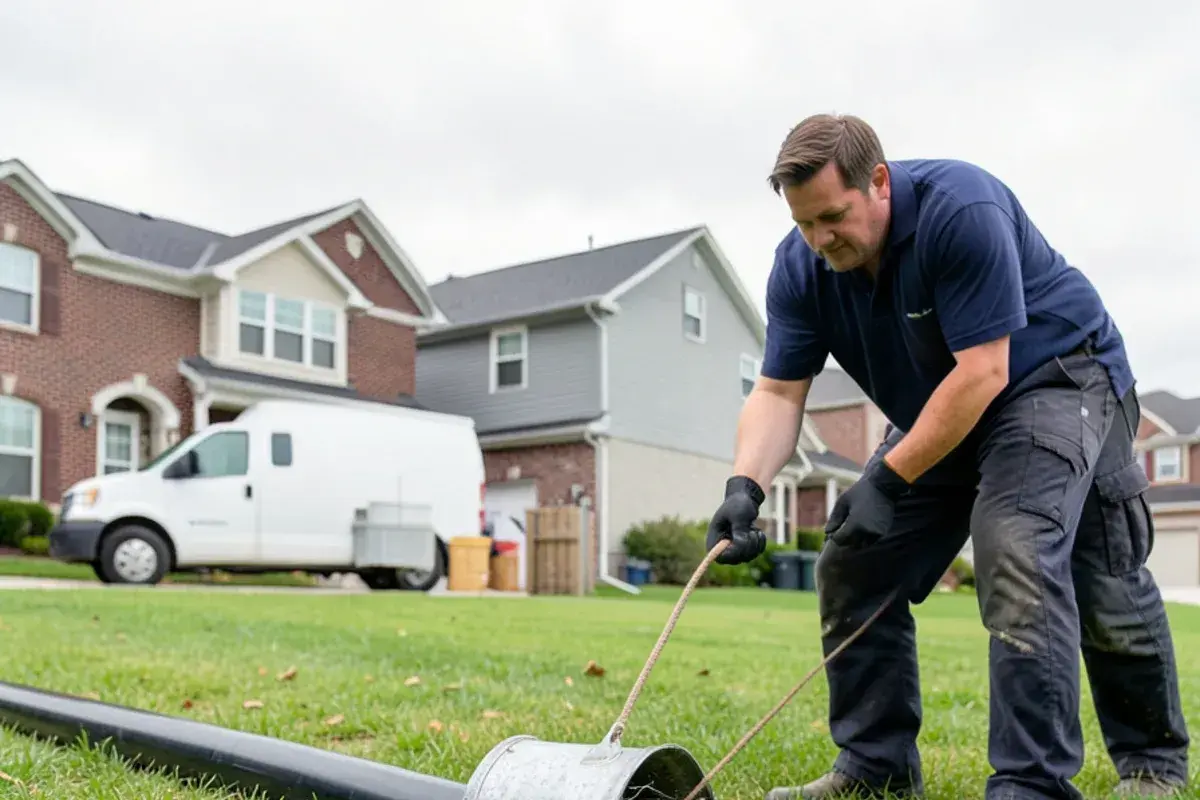
Pipe bursting is the main trenchless sewer replacement method for a lateral. A cone-shaped head is pulled through the old pipe on a cable, splitting it outward, and a new fused HDPE pipe follows right behind. Only a launch pit and a receiving pit are dug. It can go under driveways and trees and can even step up the pipe size. It can't fix a sag, because the new pipe takes the old pipe's path, and nearby utilities have to be located and protected.
Lining
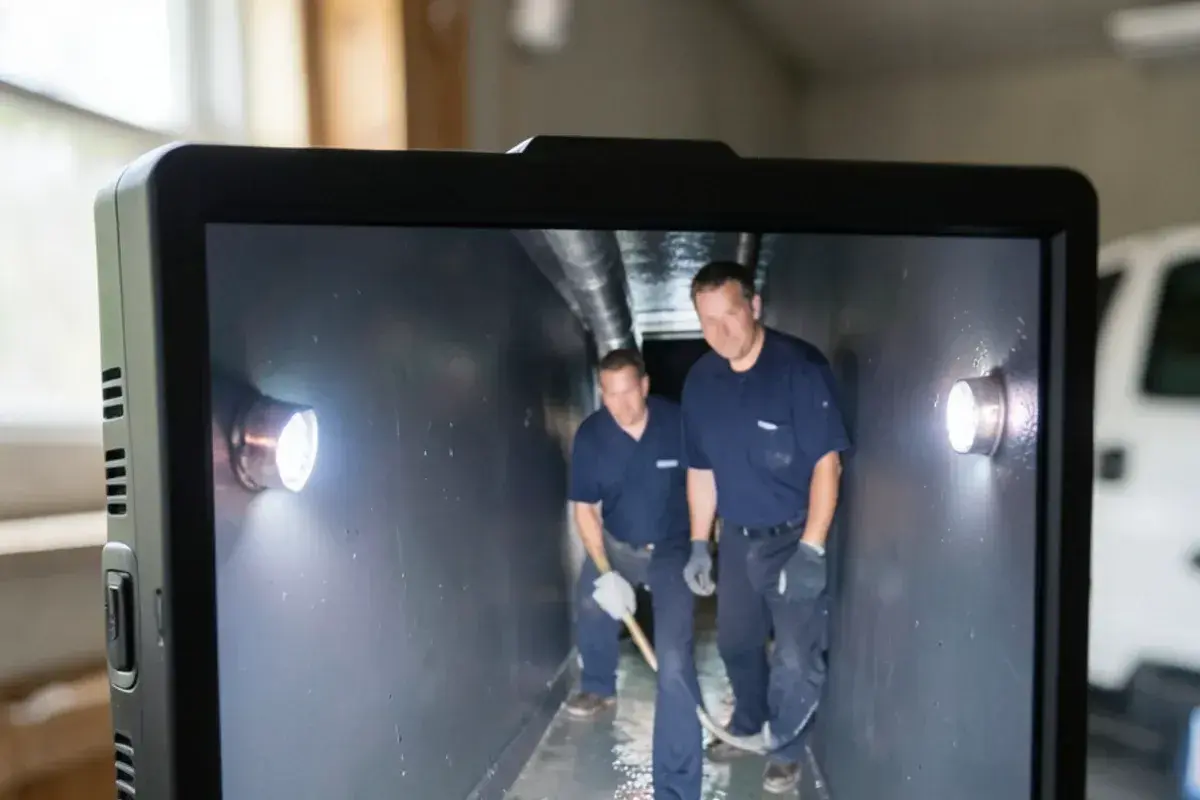
A cured-in-place liner is a resin-soaked tube pulled or inverted into the old pipe and hardened there, often from a cleanout with no digging at all. The old pipe has to be round enough to support it, the diameter shrinks slightly, and lining can't correct a belly or a collapsed section. Side connections have to be reopened after curing.
| Open trench | Pipe bursting | Lining | |
|---|---|---|---|
| Digging | Full length | Two pits | Often none |
| Fixes sags and bellies | Yes | No | No |
| Under driveways and trees | Requires removal | Yes | Yes |
| Old pipe condition needed | Any | Continuous path | Holds its shape |
| Restoration | Most | Pits only | Little |
Many jobs mix methods: trench the stretch that needs its slope corrected, then burst under the driveway.
Materials and slope for a clay to PVC sewer replacement
Most open-trench replacements swap clay or cast iron for PVC sewer pipe, with solvent-welded or gasketed joints that give roots far fewer ways in. Pipe bursting uses HDPE, joined by heat fusion into one continuous length. A single-family building sewer is commonly 4-inch pipe, and the plumbing code sets the minimum slope and the cleanout locations.
Before
After
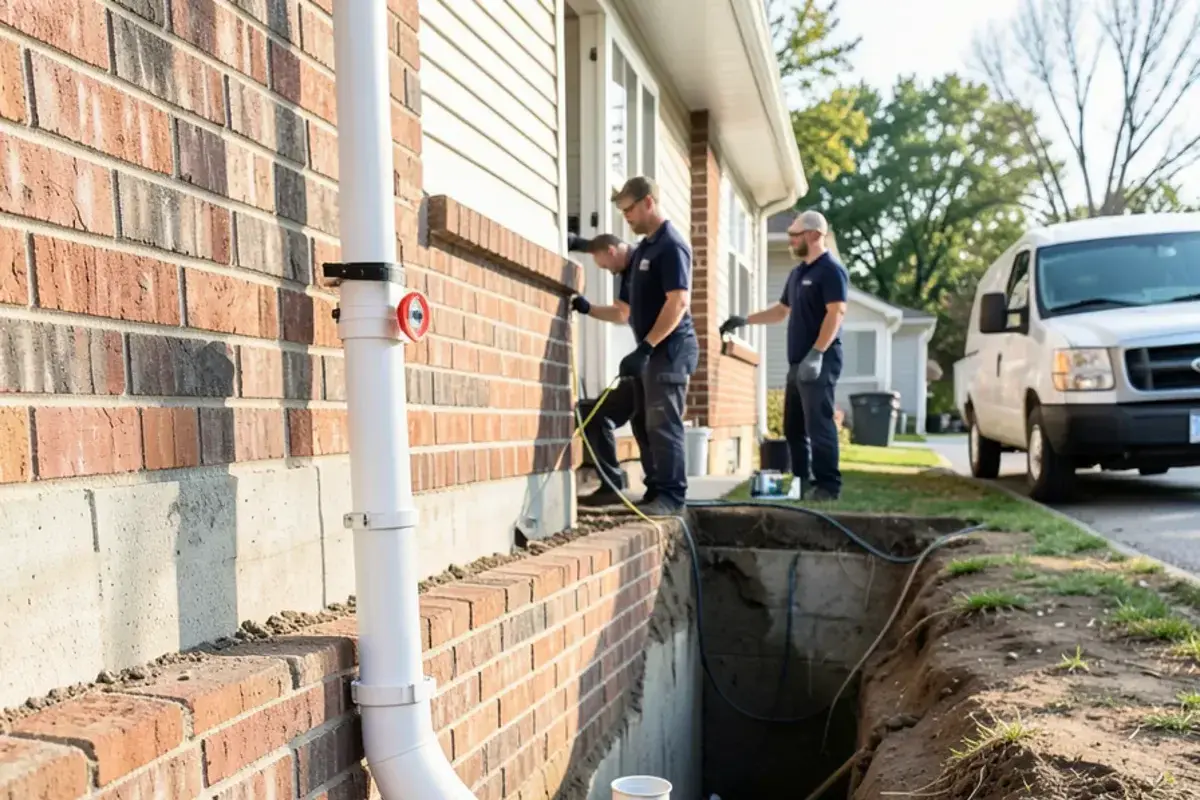
Bedding decides whether the new line keeps its slope. Pipe dropped onto loose spoil can settle into a new belly within a few years, so it goes on firm, even bedding with backfill compacted in layers. The design also covers the transition from the cast iron under the house to the new line, a cleanout near the foundation, and the connection at the main. If the house has had backups, ask whether a backwater valve belongs in the new line.
Permits, inspection and MISS DIG 811 before digging
Replacing a lateral is permitted work. Michigan's exemption stops at stoppages and faucet or valve parts, and a new lateral alters the piping. Either a licensed plumbing contractor pulls the permit, or the homeowner does when it's the single-family house they occupy, and local building departments can add their own requirements for building sewer work. Ask for the contractor license number and check it on LARA's online lookup. One- and two-family homes fall under the Michigan Residential Code.
In Macomb Township the permit application lists a fee plus per-item fees, the permit lapses if work doesn't start within six months, and nothing gets buried before the inspector has seen it. Work that reaches the street or sidewalk may need a separate right-of-way permit from the community.
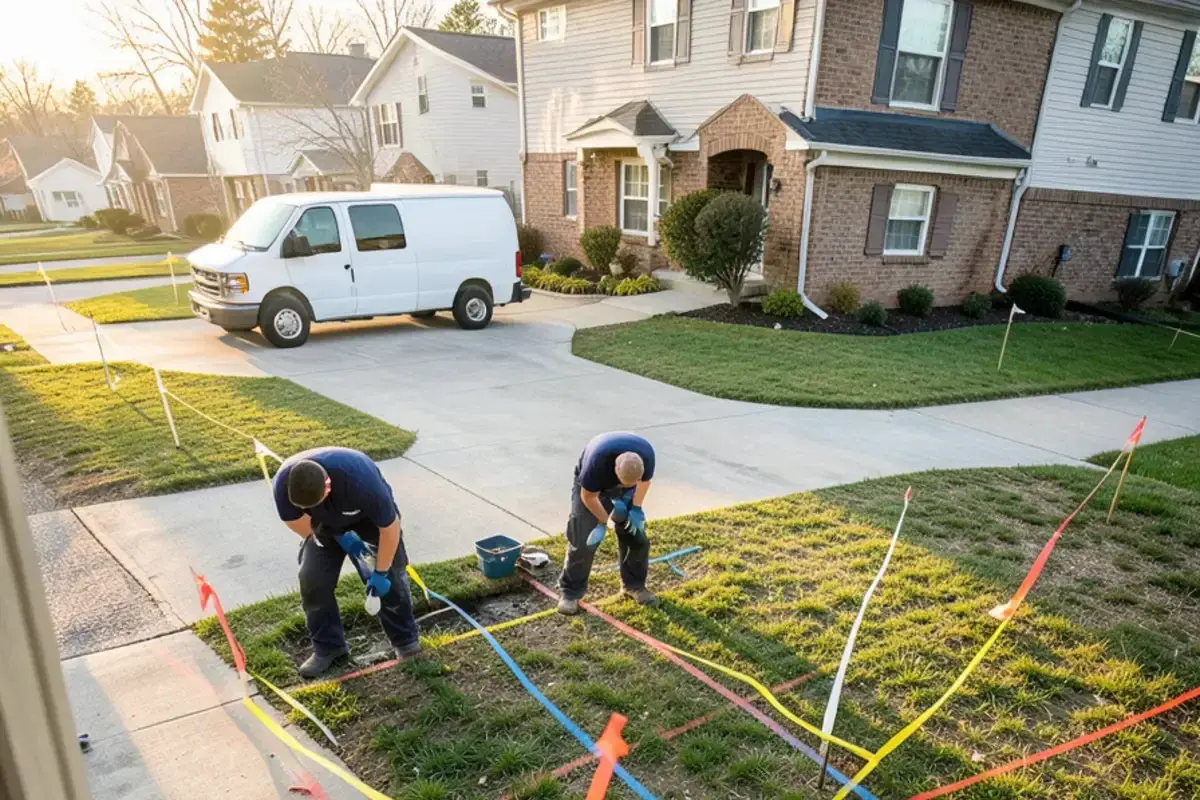
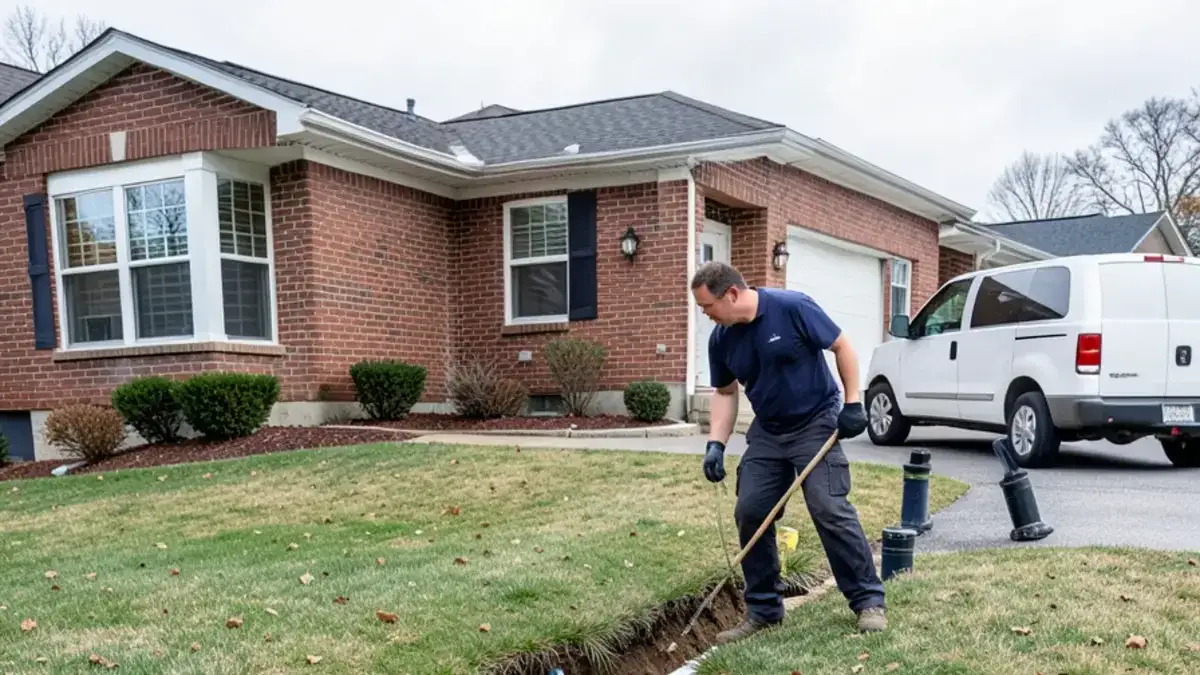
MISS DIG 811 must be contacted at least three business days before digging, by whoever is doing the digging. Utilities mark their own lines only. Private lines such as sprinkler piping, yard lighting, a gas line to a detached garage and the sewer itself aren't marked, so they're located separately. Hand digging is required within four feet on either side of each mark. Digging has to start within 14 days of the ticket's legal start date and wrap up within 21, or a new ticket is needed.
How a sewer lateral replacement runs from first call to restored yard
- After you call and we connect you with a local plumber, the line is filmed, located and marked, and the footage is reviewed with you.
- Choose the method and pipe, put the scope in writing, then pull the permit and file the MISS DIG ticket.
- Protect the driveway, walks and plantings, set equipment on mats, dig the trench or the pits, and remove or burst the old pipe.
- Install the new line, cleanouts and connections.
- Hold for inspection, then backfill in compacted layers, run water and camera the new line.
- Restore the surface.
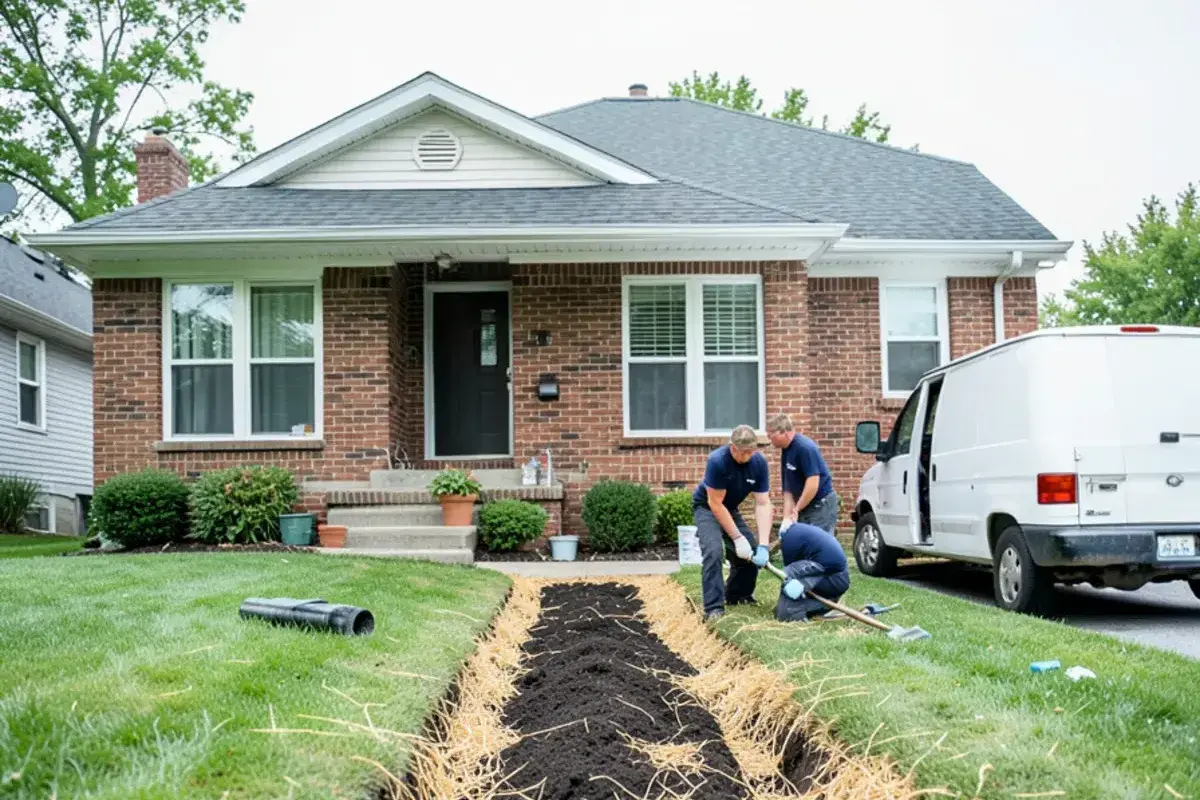
Restoration on a lawn usually means topsoil, seed and straw over the trench line. Concrete and asphalt patches may be done as a separate step once the ground settles. Most of the wait is permit and MISS DIG lead time, while the on-site work depends on method, depth and weather. Frozen ground in a Michigan winter slows excavation considerably.
What drives the cost to replace a sewer line?
Depth and length set the baseline. Method is next, along with what sits over the line: driveways, sidewalks and mature trees push open-trench costs up and make trenchless methods more attractive. Equipment access to the yard, soil conditions and groundwater, a connection at the main or under the street, permit and inspection fees, add-ons such as cleanouts or a backwater valve, and the amount of restoration all count. Smaller items add up too: the number of bends, whether the old pipe can stay abandoned in the ground or has to come out, a new tap or saddle at the main, and season, since frozen ground and wet spring soil both slow digging. For a fuller breakdown, read sewer line replacement cost factors. If the water service shares the trench path and is also old, ask about main water line repair while the ground is open.
Why call Plumbers in Macomb, MI before replacing a sewer line?
A replacement is the biggest sewer decision a homeowner makes, and one number for every plumbing problem gets it started. Plumbers in Macomb, MI is a referral service: your call goes to an independent local plumber who covers your area, and there are no forms. Tell the plumber whether the line has been filmed, what sits over it and whether backups are happening now, and ask when they can look at it. These pages lay out the methods, permits and cost factors so you can ask good questions, such as whether the slope will be corrected, which pipe goes in and what restoration the quote includes.
Manufacturer warranties and caring for the new line
PVC pipe, HDPE pipe and liner systems carry manufacturer warranties on the material. Those typically cover defects in the product itself and exclude installation, ground movement and misuse, so keep the product information and permit records with your house papers. The new line still needs sensible use: grease in the trash, wipes out of the toilet, and trees kept away from the path. A camera look before you sell gives the next owner footage of a clean line.
Sewer line replacement: questions we hear
How long does it take to replace a sewer line?
The paperwork comes first: an issued permit and a MISS DIG ticket filed three or more business days ahead. For a typical single-family lateral, the on-site work is often a day to a few days, longer when the line runs under a driveway, the connection is out in the street, or the ground is frozen or wet.
Is trenchless sewer replacement always the cheaper choice?
No. Trenchless methods save restoration work, which matters most under driveways, walks and mature trees. Across an open lawn with a shallow line, a trench can cost the same or less. And if the line has a sag that needs correcting, trenchless isn't an option for that section anyway.
Can pipe bursting go under a driveway?
Yes, often. That's one of its strengths, because only a launch pit and a receiving pit are needed and the driveway stays in place. It does follow the old pipe's path and slope, and other buried lines close to the old pipe have to be located and protected first.
Who pays to replace the sewer line out to the street?
Usually the owner pays for the private lateral and the municipality looks after its main, but the dividing point differs from one community to the next. Get that answer from the local water and sewer office before the job is planned, especially if the connection is under the road.