The median house here was built in 2000, and more than three in four went up after 1990, the youngest housing of any community these guides cover. Call with what you're seeing, and we'll connect you with a plumber who covers 48042 and 48044.
Subdivision houses from the 1990s on, and what wears out first
Census estimates put owner-occupancy at 91 percent; 78 percent of homes are detached houses and about 6 percent are manufactured homes. Fewer than 4 percent were built before 1960.
For houses of this age, the typical setup is copper or PEX water lines and PVC or ABS drains. That describes the era, not your particular house. The township says it has no lead service lines at all, and a 2024 check of older lines turned up copper.
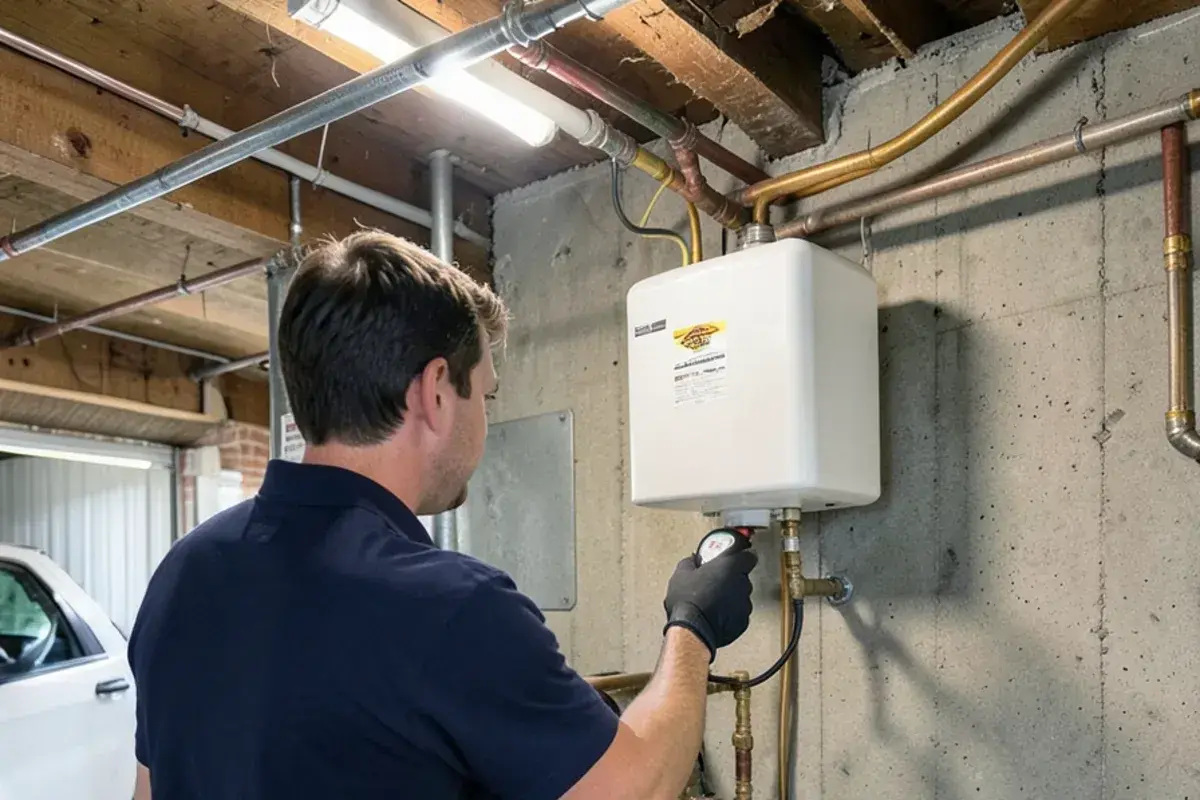
What wears out on schedule is equipment. A tank water heater installed with a 2000s subdivision is past the age when tanks start leaking at the bottom seam. If the service has a check valve or backflow device at the meter, the system is closed and the heater needs a working expansion tank.
Not every street is new. The Plum Grove subdivision's water main went in during 1977 and broke often enough that the township is replacing it in four phases; in 2026, services on Millstone Dr between Romeo Plank and Plum Grove Dr were moved to the new main. Homes from that period, about one in five here, are where cast iron drains and stiff shutoff valves show up.
Sump water, the Middle Branch and the township sewer ordinance
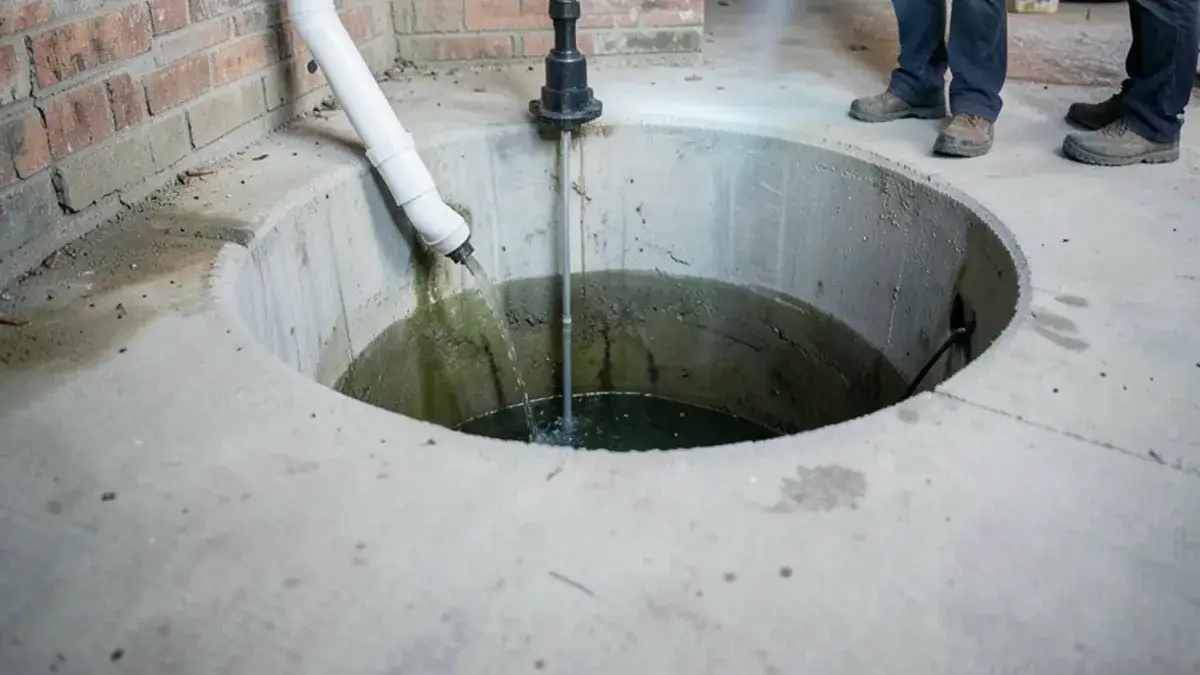
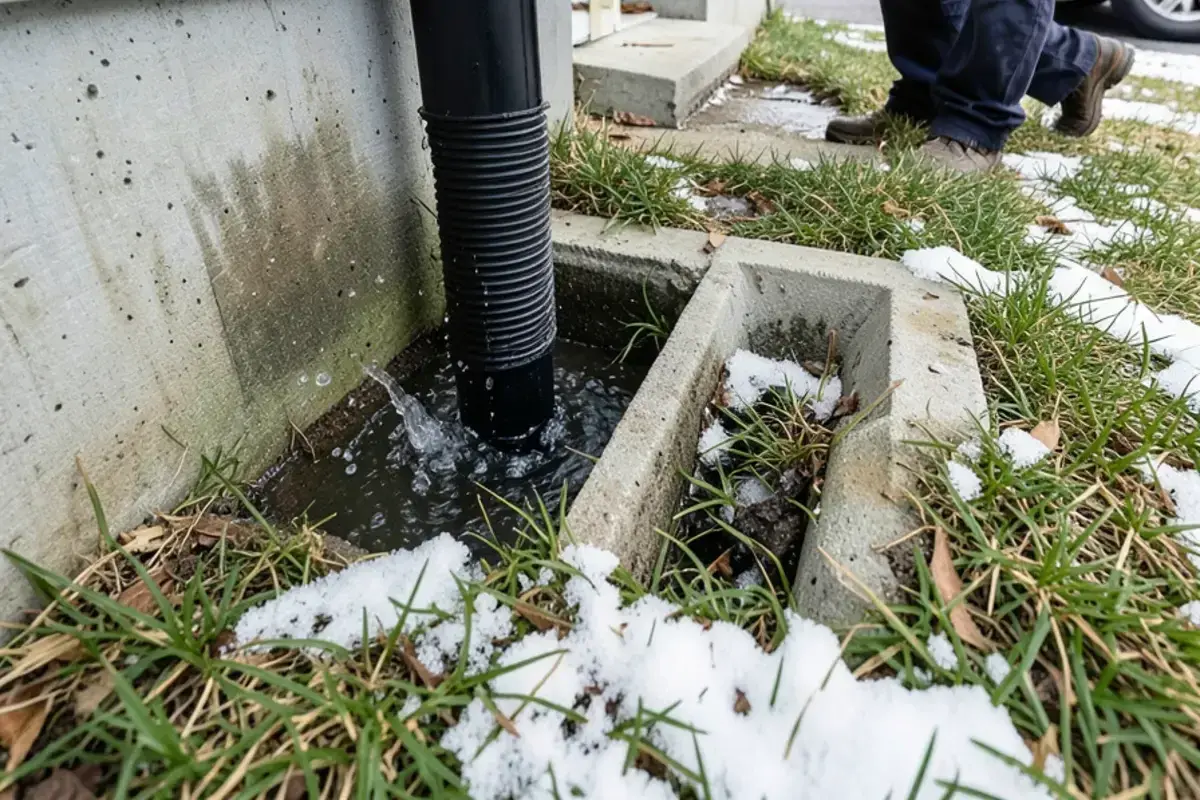
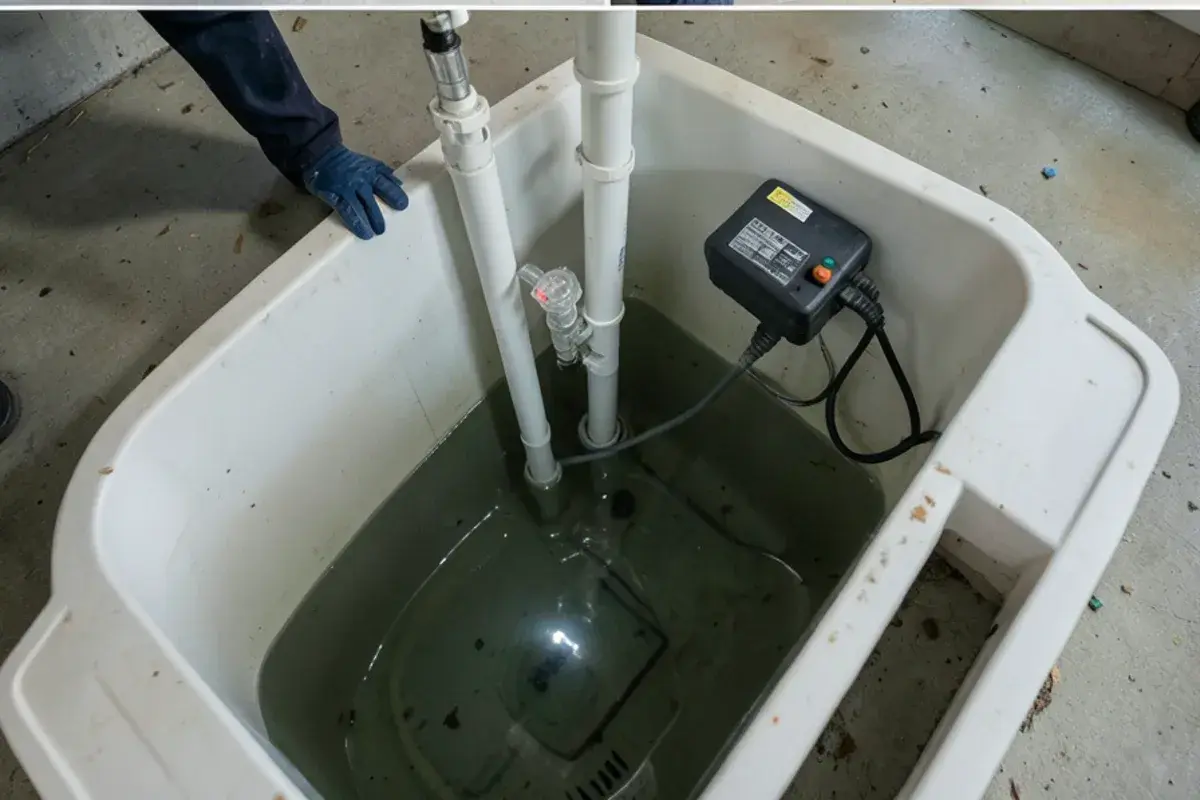
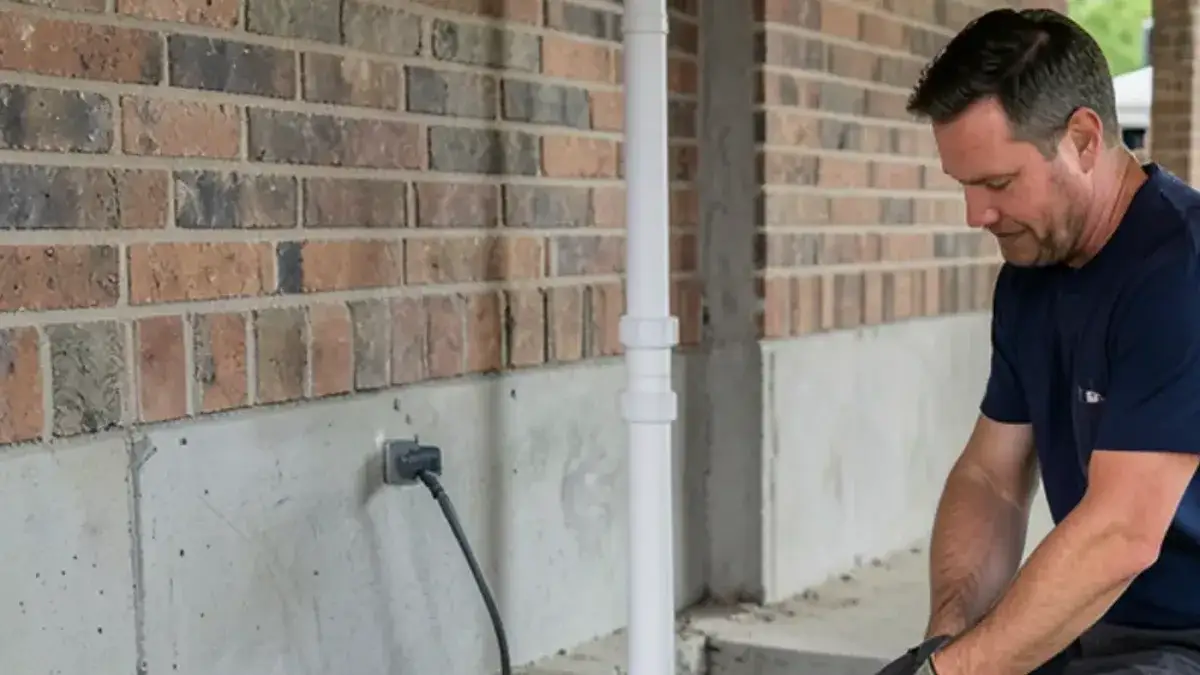
The Middle Branch of the Clinton River winds past Macomb Corners and Waldenburg, and Macomb County was part of federal flood declarations in August 2014, June 2021 and August 2023. Township code Sec. 15-211 bars stormwater, groundwater and subsurface drainage from the sanitary sewer, so sump pumps and footing drains must discharge to a storm sewer or approved outlet, never a floor drain or laundry tub. Sumps and water-powered backup pumps are both permit items. If sewage backs up from the public sewer, the township's water report says to file a written claim within 45 days.
Plumbing calls that matter most between 21 and 26 Mile
These match how young the housing is and how the township treats sump water and backflow.
Sump pump repair and installation
Township code Sec. 15-211 keeps sump and footing water out of the sanitary sewer, and sumps and water-powered backup pumps are both permit items, so a replacement here covers the discharge route as well as the pump.
Sump pump repair and installation: Read more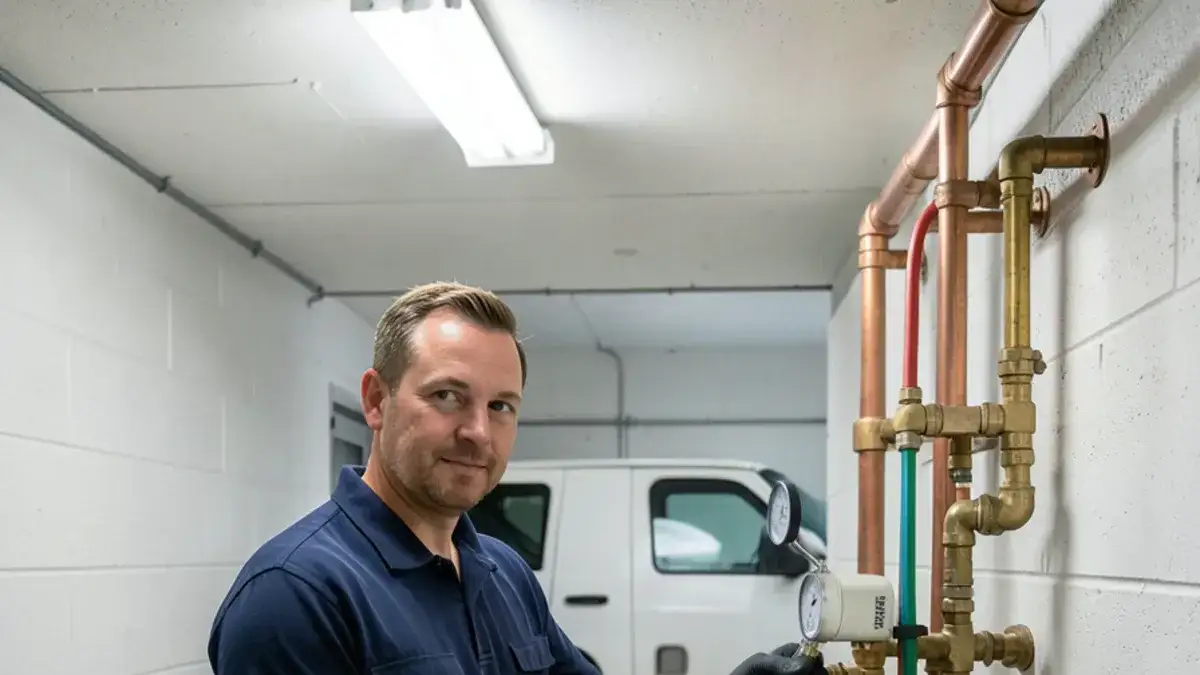
Backflow testing
The township's residential cross-connection program began July 1, 2026, with HydroCorp checking the outside of every home for irrigation systems, hose bib attachments and boilers. Owners pay for any required device and its testing.
Backflow testing: Read more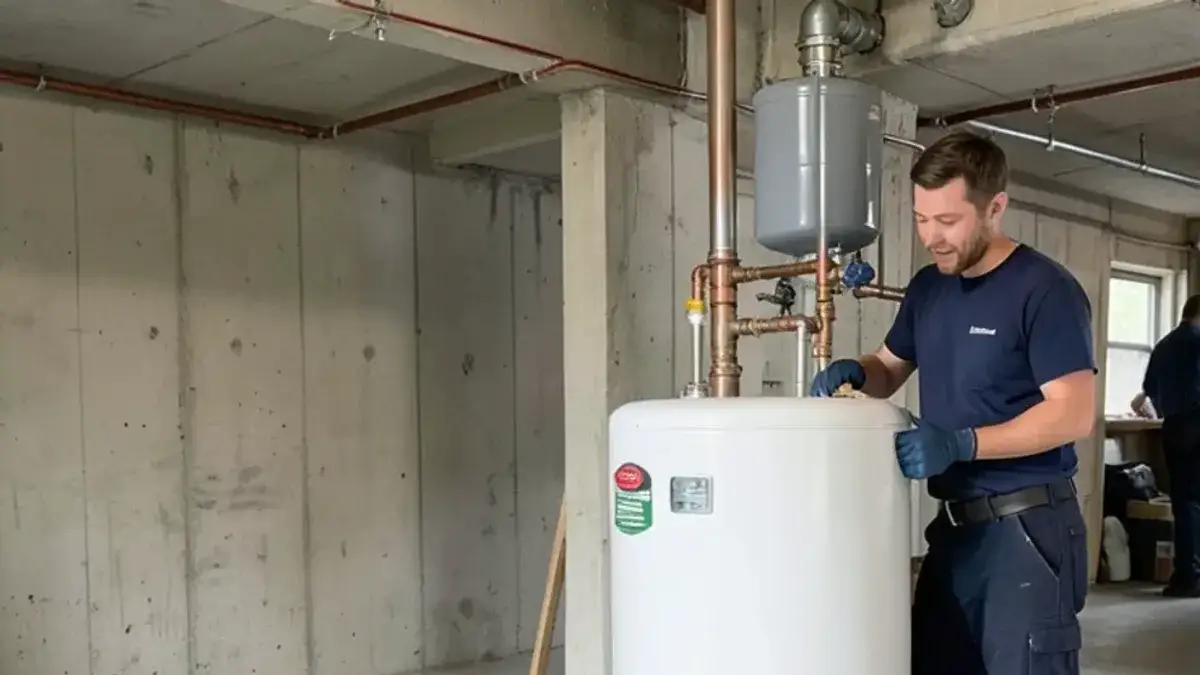
Water heater installation
More than three in four township homes were built after 1990, so original tanks are coming due. The heater and its expansion tank are separate items on the township plumbing permit, and the Building Department inspects both.
Water heater installation: Read more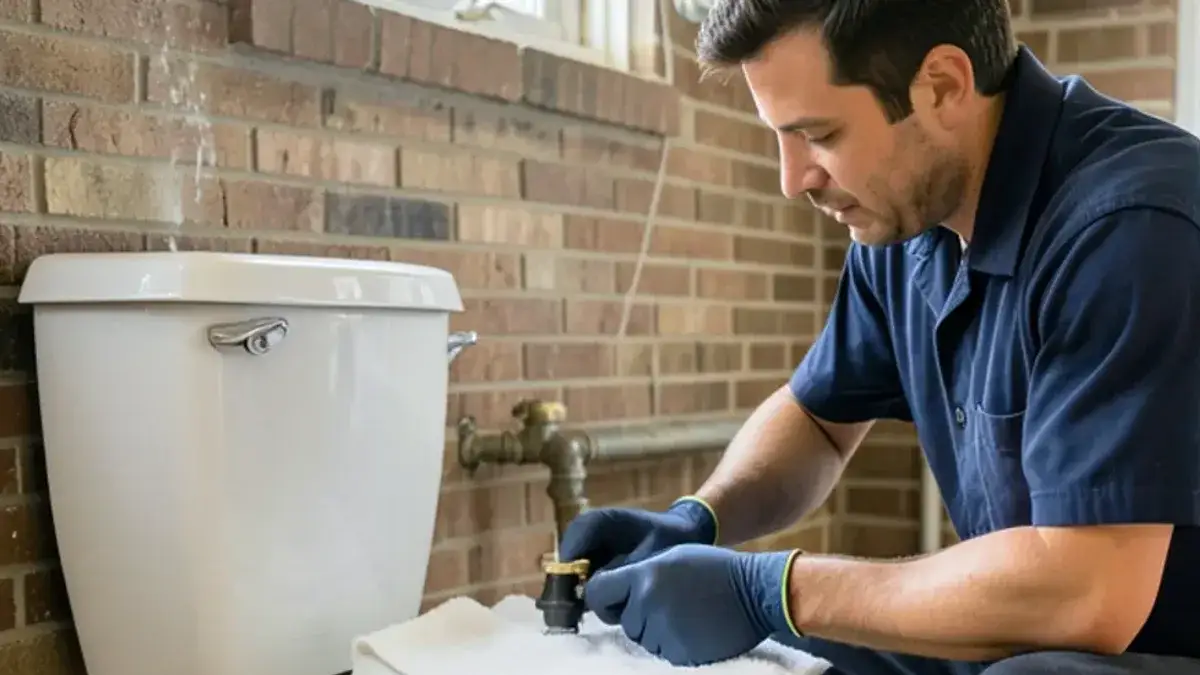
Toilet repair and installation
Toilets set during the township's 2000s building boom are reaching the age when fill valves stick, flappers warp and wax rings let go, and a slow leak at the base can stain the ceiling below.
Toilet repair and installation: Read more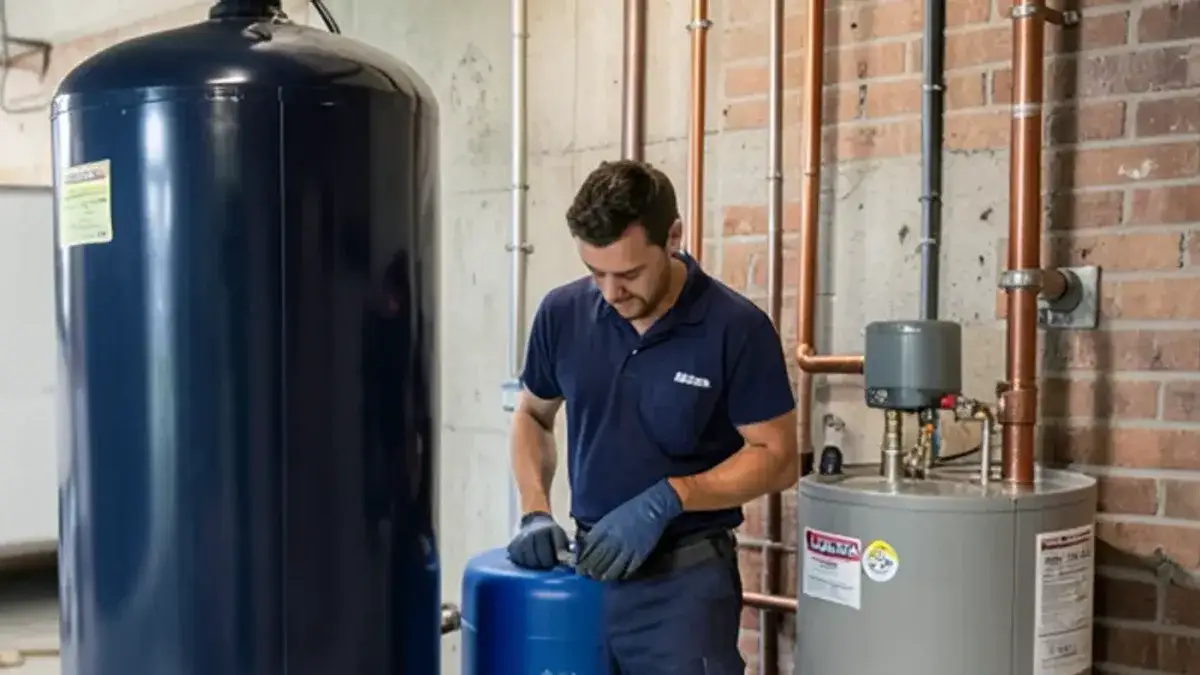
Water softeners and filtration
Township water from GLWA's Lake Huron plant averaged 99 ppm hardness in 2024, about 5.8 grains per gallon. That is moderately hard, so a softener is a comfort choice to weigh, and the township's survey asks about one.
Water softeners and filtration: Read more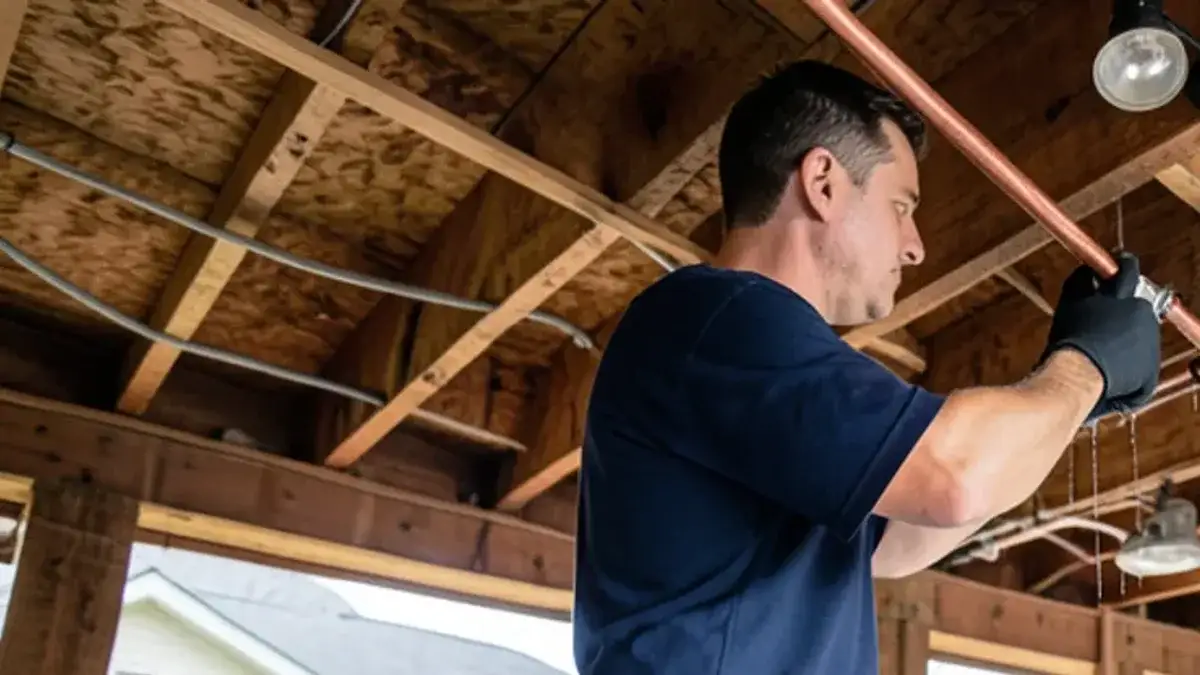
Pipe repair
PEX and copper lines in 1990s and 2000s township homes tend to leak at fittings near the water heater and in attached garages that drop below freezing. Homes from the Plum Grove era add older copper and cast iron.
Pipe repair: Read moreTownship home in 48042 or 48044? Call (207) 419-2600
- Your call goes to an independent local plumbing company that does the work.
How a visit goes in the subdivisions between Hayes and Romeo Plank
Hayes, Garfield and Romeo Plank run north and south, 21 through 26 Mile run east and west, and nearly every home sits in a subdivision off one of them. Your call goes to a plumber who works the township. Expect to be asked for your cross streets, whether the basement is finished and how old the water heater or sump pump is.
- The plumber finds the cause, even when the sump pit sits behind a finished-basement wall.
- You hear the options and what drives the cost of each before anything starts.
- The plumber does the work you approve, tests it and cleans up.
Lake Huron water, lawn sprinklers and the new backflow inspections
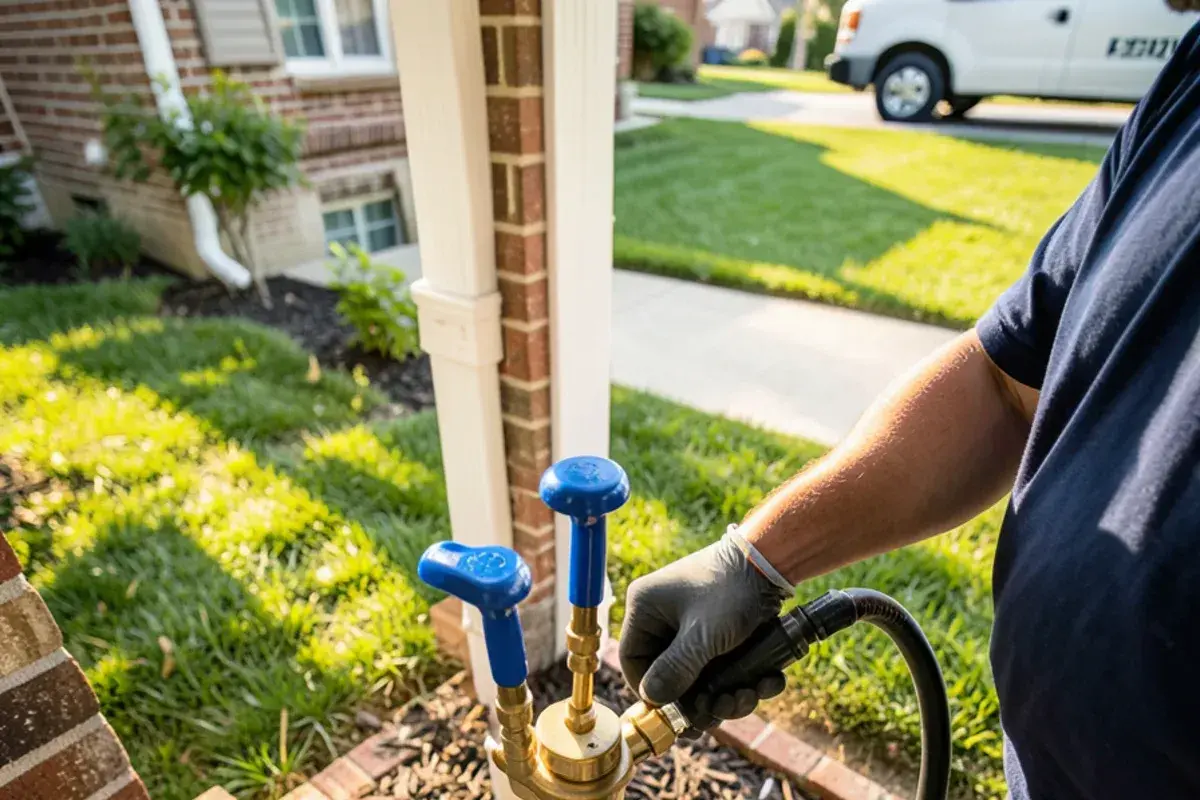
Township water comes from GLWA's Lake Huron plant near Port Huron through three master meters, two of them on 24 Mile Rd, to about 30,200 metered customers. The 2024 report put average hardness at 99 ppm, about 5.8 grains per gallon. Lawn watering follows the odd/even rule from May 15 to October 15, with automatic sprinklers allowed from midnight to 6 a.m. The cross-connection program that began July 1, 2026 has HydroCorp inspect the outside of every home for irrigation, hose bib attachments and boilers, with a household survey about softeners and boilers inside.
Broughton Road permits, river parks and the two township ZIP codes
Permits come from the Macomb Township Building Department at 54111 Broughton Rd, which inspects permitted plumbing work. A licensed plumbing contractor usually pulls the permit. Michigan lets a homeowner pull it only for the single-family home they live in, and the township asks for a signed affidavit saying so. A permit lapses if work doesn't start within six months. Applications can be filed online through the township's permit page, and for homes off the sewer, the township's public works department publishes septic maintenance guidance.
Calls come from both township ZIP codes, 48042 and 48044, including homes near Macomb Corners Park, 94 acres on the north side of 25 Mile Rd east of Luchtman, and Lucido River Park on North Ave just south of 24 Mile, where trails run down to the river. The same goes for streets around Waldenburg Park, Pitchford Park and the 26 Mile Road Nature Preserve.
Macomb Township plumbing questions
Does the township's cross-connection program mean my sprinkler backflow device needs a test?
Yes, if the program finds a testable assembly on it. Since July 1, 2026, HydroCorp has been inspecting the outside of township homes in phases, and irrigation connections are on its list. Public Works sends a letter before anything is required, the owner pays for the testing, and Michigan allows only testers with ASSE 5110 certification and a plumbing license.
Can I get a toilet repaired or replaced in Macomb Township?
Yes. In houses from the 2000s, a running or leaking toilet usually traces to a worn flapper, a fill valve that won't shut off or a wax ring that has let go. The plumber should say whether repair or replacement makes more sense, and whether the job needs a township permit, before any work starts.
Do I need a permit to replace a water heater in Macomb Township?
Yes. A residential water heater and its expansion tank are both listed on the township's plumbing permit application, and the Building Department inspects the install. Michigan's permit exemption covers only repairs to the working parts of a faucet or valve and clearing stoppages, when no piping or fixtures are altered.
Does my township house have a lead water service line?
No. Macomb Township reports no lead service lines among its roughly 30,200 connections, which are copper or plastic. Lines put in before 1989 are classed as unknown under state rules, so in 2024 the township dug up older lines to check them and found copper.