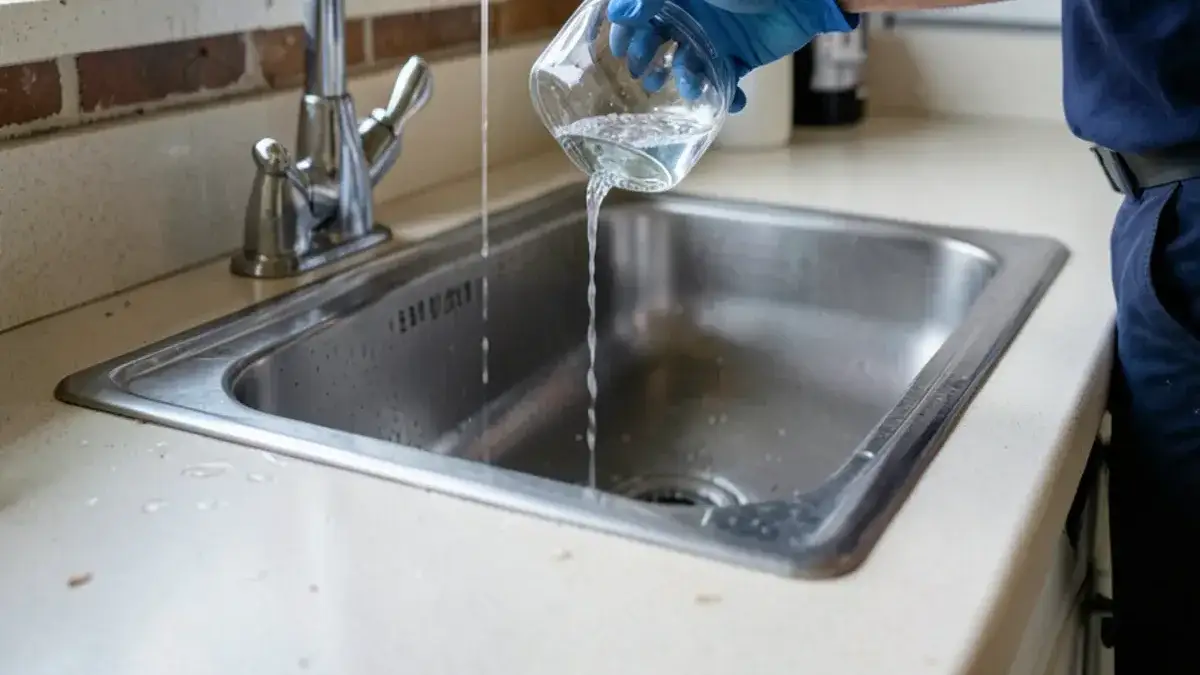
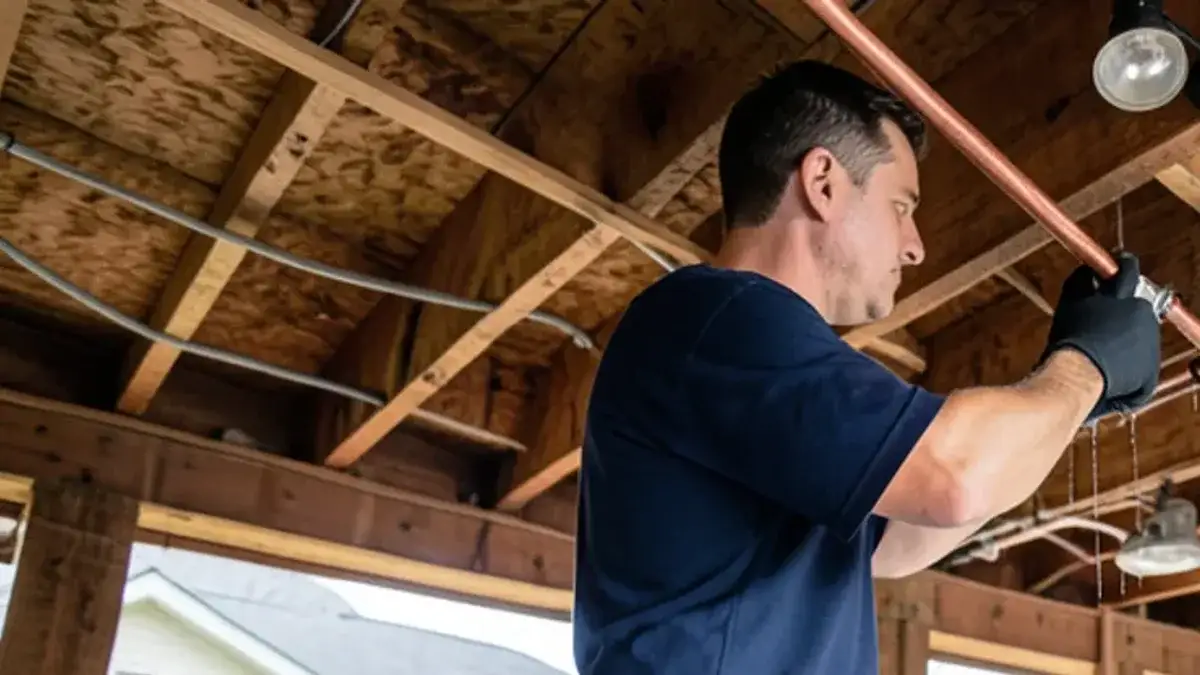
Leaking pipe or burst pipe: what you're dealing with
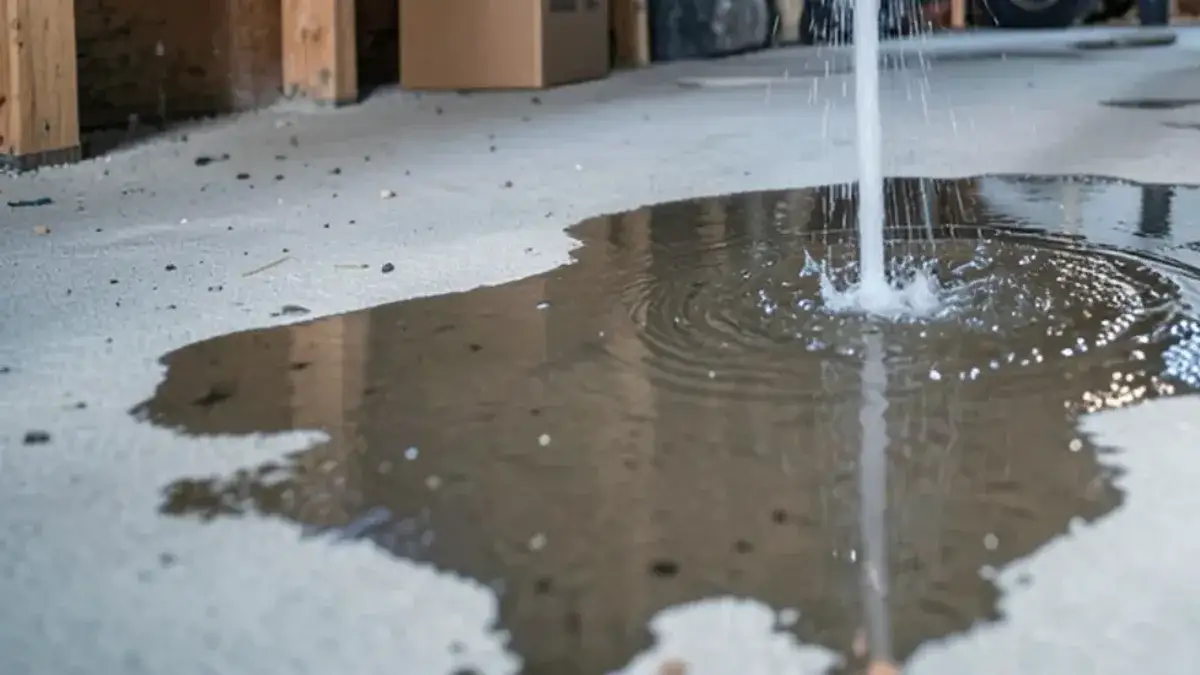
A burst pipe is hard to miss: water sprays or pours from a split, usually after a freeze or a jolt of pressure. Slow failures are quieter and often do more damage before anyone notices. Here's how the common ones show up:
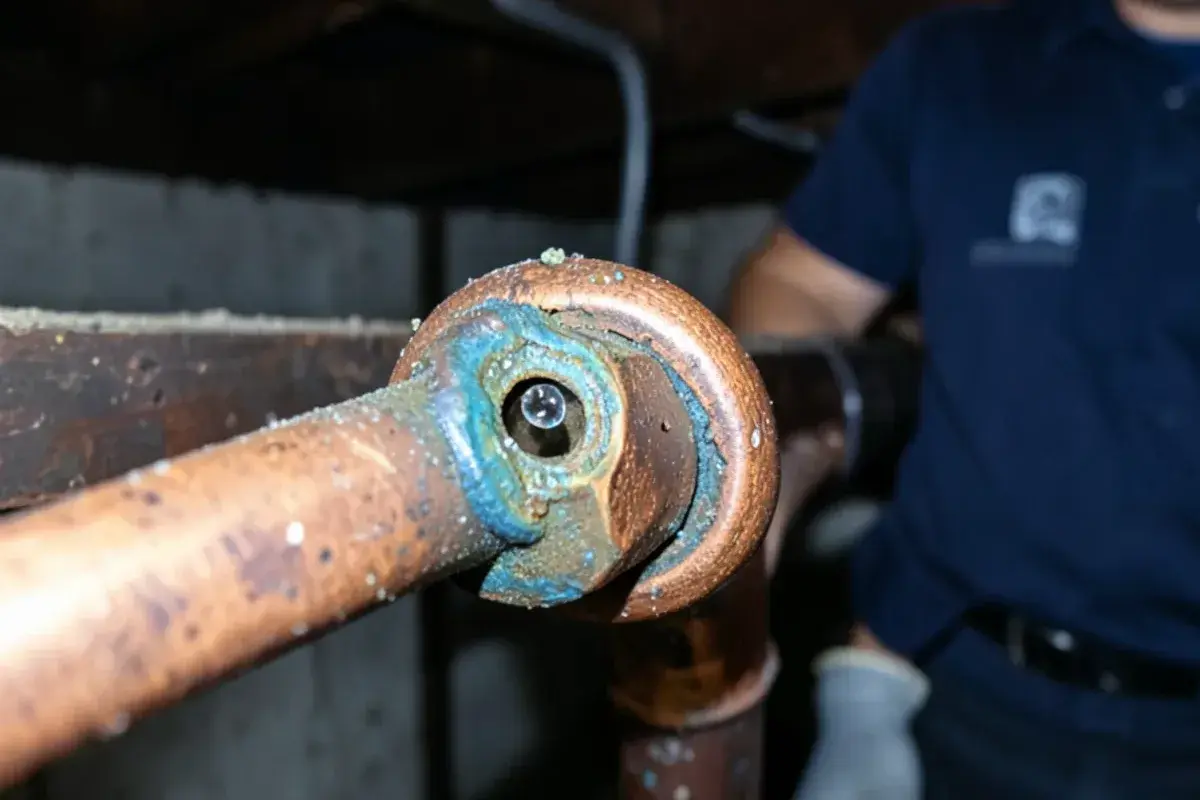
- a fine mist or a bead of water on copper, with blue-green crust around it (a pinhole leak)
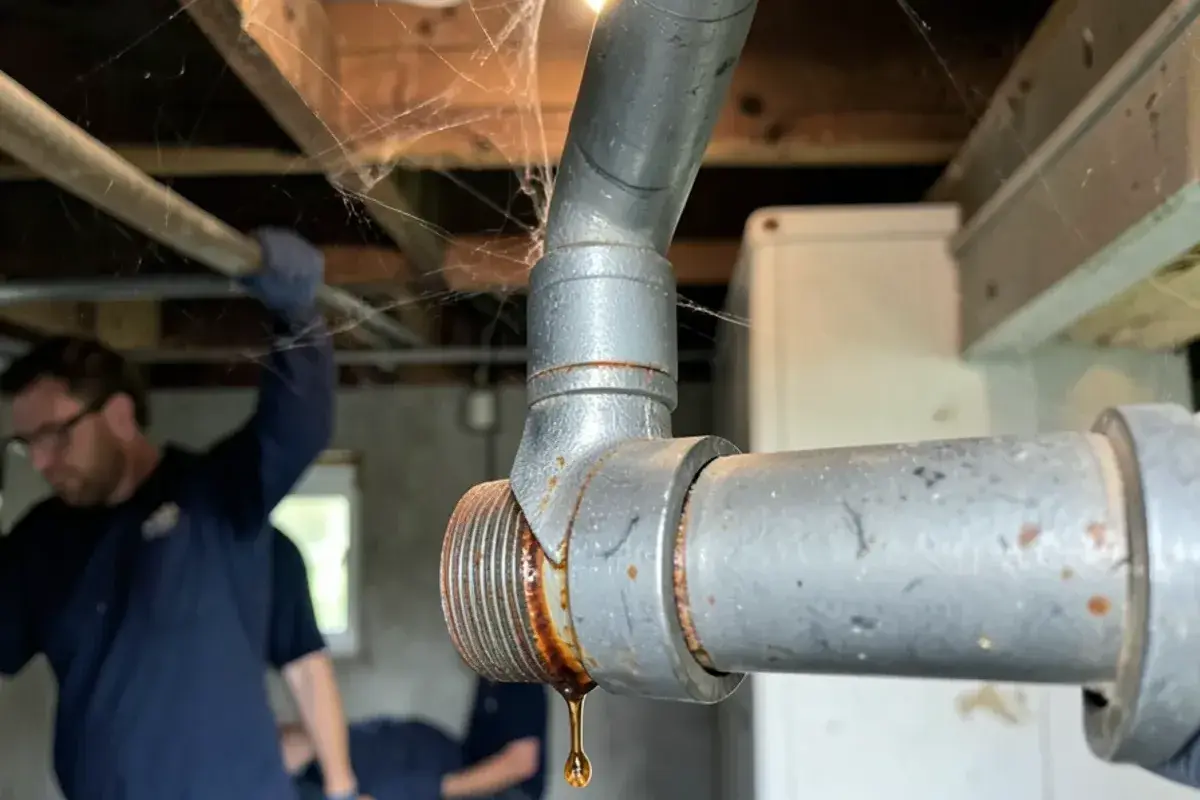
- rust-colored drips or stains at threaded joints on gray steel pipe (a galvanized pipe leak)
- a brown or yellow ring on the ceiling below a bathroom, or a sagging ceiling tile
- a musty smell in one corner of the basement
- the water meter creeping along with every fixture turned off
When water is moving, close the main shutoff and leave it closed until the repair is made. Our post on what to do when a pipe bursts covers the first hour. If you can't see where the water is coming from, leak detection comes before repair.
Pipe leaking, split or burst? Get it fixed properly
- Your call goes to an independent local plumbing company that does the work.
Why pipes fail in Macomb County homes
Pinhole leaks in copper
Copper usually lasts decades, but it can pit from the inside. Pinholes tend to show up where water turns sharply at elbows, near a water heater or a recirculating pump where flow is fast, at joints where leftover soldering flux kept working on the metal, and in thin-wall pipe. One pinhole is often a sign of more on the same run. In Sterling Heights, where nearly two-thirds of homes went up between 1960 and 1989 according to Census estimates, a lot of original copper has been in service for decades.
Galvanized pipe leaks
Galvanized pipe is steel with a zinc coating, and it was common in homes built before 1960. It rusts from the inside, so the bore narrows (weak flow, brown water) and the threads, where the pipe wall is thinnest, start to weep. Wrenching on one old joint can crack the next, which is why galvanized repairs often run joint to joint or transition to copper or PEX. That's a real consideration in older communities: in Mount Clemens, for example, about 62 percent of homes were built before 1960.
Freeze splits, pressure and physical damage
Lines in exterior walls and over garages split in hard freezes (see frozen pipe repair). High static pressure, water hammer from fast-closing valves, and a nail or screw from a remodel cause the rest.
What a pipe repair job includes
Pipe repair covers the water supply lines inside the house: copper, galvanized steel, PEX and the odd CPVC run, from the main shutoff to the fixture stops. The job is finding the real source, removing enough pipe to reach sound material, and joining in a section that holds at house pressure. Drain lines and the buried line from the street are separate work; main water line repair covers the buried service. A typical repair includes:
- tracing the water back to the failed section, with leak detection when the source is hidden
- inspecting the pipe on both sides for thin walls, crust and other pinholes
- cutting out the damage with a margin and joining in a copper or PEX section
- checking static pressure, and the electrical bonding wherever metal pipe is cut
- refilling, bleeding air and checking every joint dry under pressure
Opening and patching drywall is often a separate trade, so ask about it before work starts.
Finding the failed section before anything gets cut
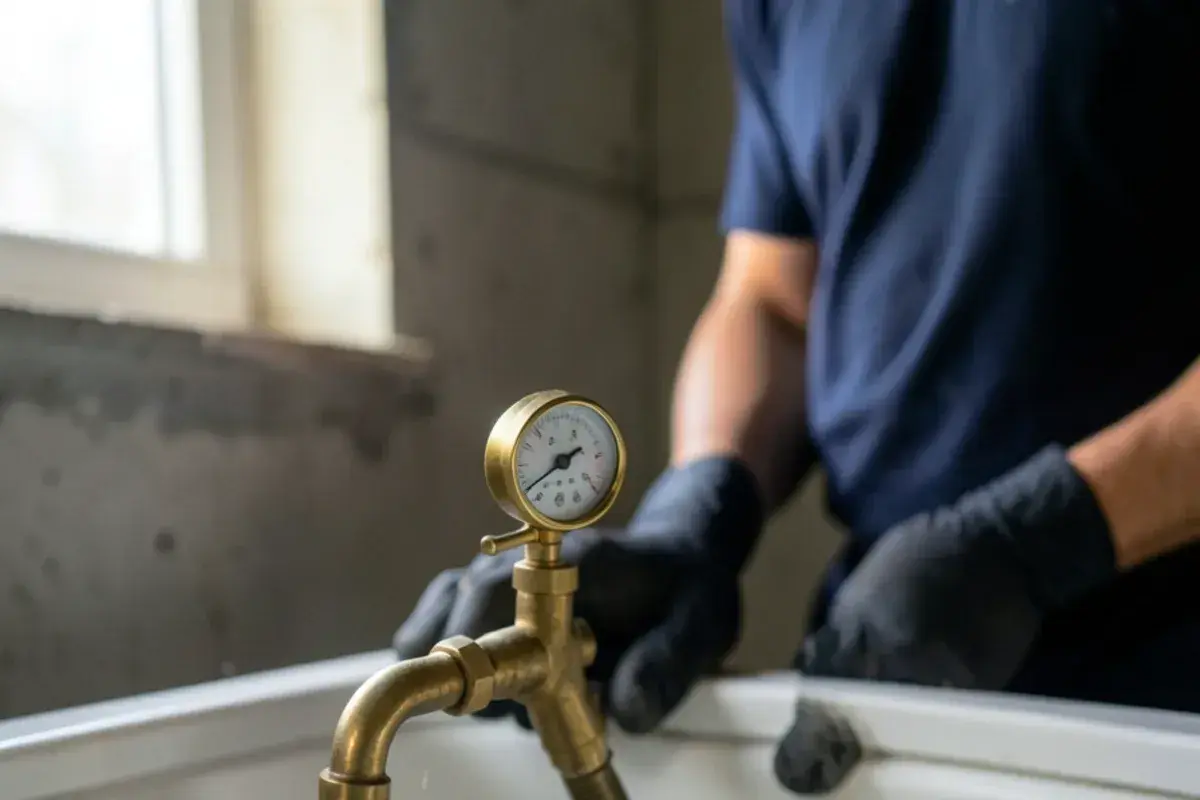
Water travels along pipes and joists, so the wet spot on the ceiling is often a few feet from the actual leak. The plumber traces it back, confirms the source with a moisture meter, and then looks hard at the pipe on both sides: wall thickness, crust, discoloration, any second pinhole. They also measure static water pressure, since anything much above 80 psi strains every joint in the house and usually calls for a pressure-reducing valve. Where metal pipe gets cut or replaced with plastic, the plumber checks whether the home's electrical grounding runs through it.
Burst pipe repair options and their trade-offs
| Repair | Where it fits | Trade-off |
|---|---|---|
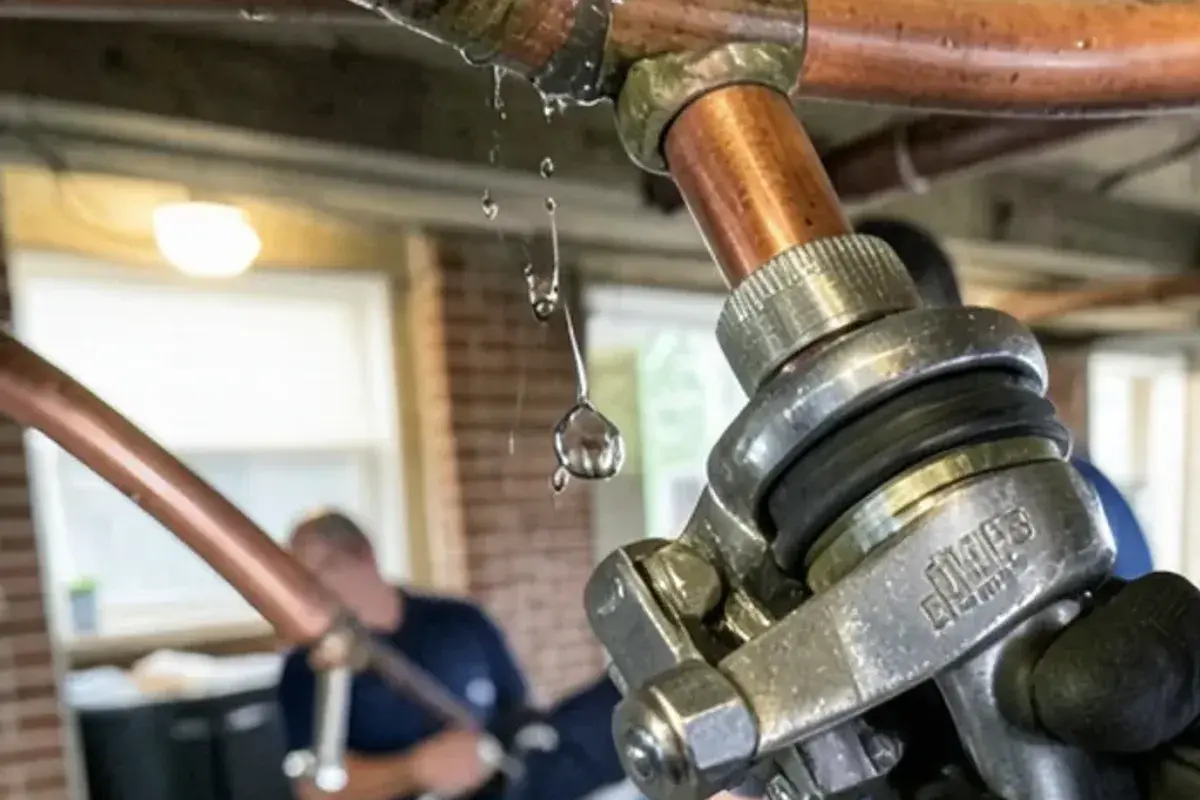
| Repair clamp | Stopping water until a permanent repair | Temporary; relies on a gasket and bolts |
| Push-fit coupling | Accessible copper or PEX, a damp pipe | Fast and needs no heat; best kept where it stays visible |
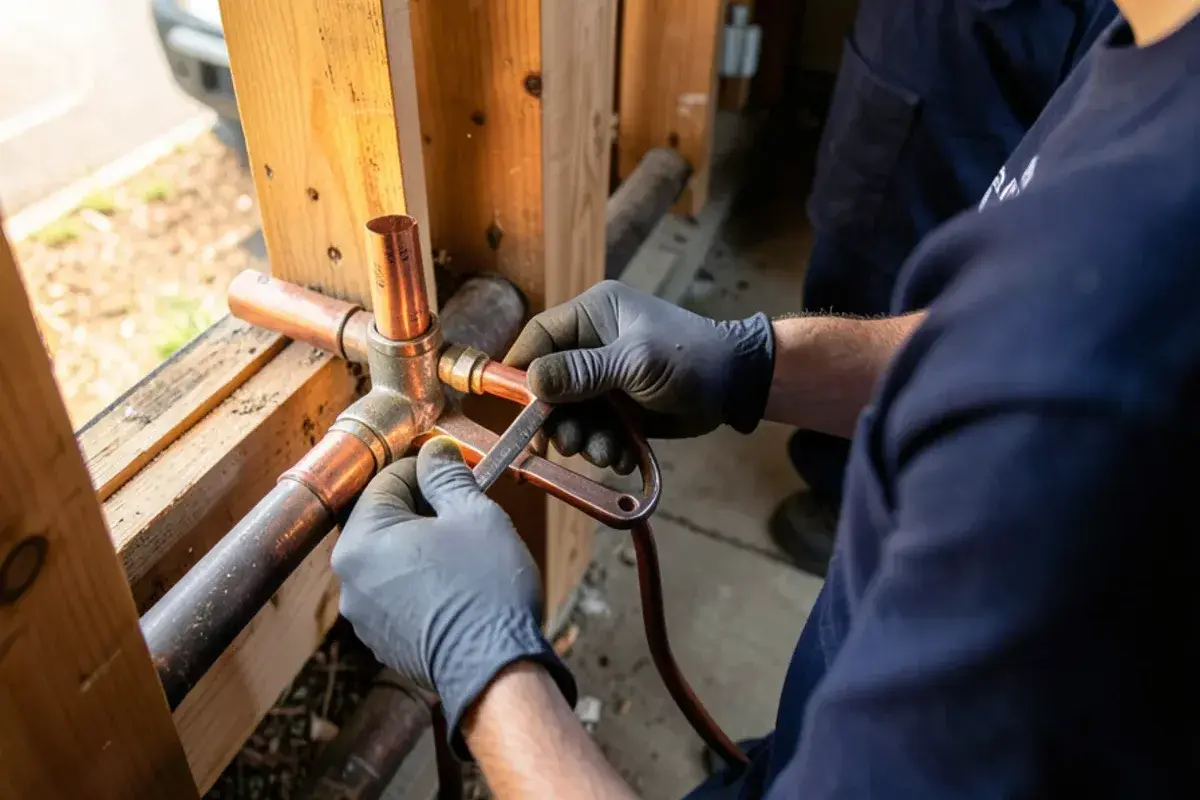
| Copper section, soldered or pressed | Most copper systems | Permanent; press fittings avoid an open flame near framing |
| PEX section with transition fittings | Long runs, cold walls, galvanized transitions | Flexible, fewer joints; keep it out of sunlight and away from flue heat |
| Replace the whole run | Repeat pinholes, corroded galvanized | More work now, but it ends the patch cycle |
When repairing the pipe stops making sense
A single split from a freeze is a repair. A third pinhole on the same copper this year, or galvanized lines with weak flow and brown water, is a pattern. At that point each patch buys only a little time, and repiping the affected runs, or the whole house, is usually the better use of the money. If weak flow is the main complaint, our guide to low water pressure in the whole house helps narrow down whether old pipe is the cause.
How a pipe repair visit goes
- You call, describe the leak, and close the main if water is moving. We pass those details to an independent plumber who covers your area.
- The plumber finds the failed section and checks the pipe around it.
- You hear what failed, the repair options, what drives the cost, and whether a permit applies before work starts.
- The line is drained, the damaged pipe cut out with a margin on each side, and the new section joined in.
- Water comes back slowly, air is bled at the faucets, and every joint is checked dry under pressure.
- The plumber cleans up and points out any other weak spots worth watching.
Permits and licensing for pipe repair in Michigan
LARA says plumbing work may not start until the enforcing agency issues a permit. The only exemption is for repairs involving just the working parts of a faucet or valve, or clearing a stoppage, without altering existing piping or fixtures. Cutting out and replacing a section of supply pipe alters the piping, so a permit can apply even to a small repair, and repiping a run needs one. A licensed plumbing contractor pulls it, or a homeowner doing the work on their own single-family home; Macomb Township's application has homeowners sign an affidavit to that effect. Your township or city building department issues the permit and inspects the work. Before approving anything, get the contractor's license number and confirm it's active through LARA's online verification search.
Pipe leak repair cost factors in Macomb County
The visible leak is only part of a pipe repair, so the plumber can talk cost once the failed section and the pipe around it have been looked at. These usually decide it:
- pipe material and diameter
- how many leaks there are, and how close together
- access: an open basement ceiling versus finished drywall, tile or a crawl space
- old galvanized threads that crack when disturbed and widen the repair
- transition fittings between different materials
- calls outside regular hours
- whether the repair includes fixing the cause, like a pressure-reducing valve or insulation
- a permit and inspection when the work requires one
Older south-county houses with galvanized supply tend toward the high side of several of these at once, since one disturbed joint can lead to the next. If water soaked drywall, flooring or insulation, drying is usually billed by a separate restoration trade, and the EPA guideline is to start drying within 24 to 48 hours to limit mold. Insurance coverage is the insurer's decision, so photograph the damage and keep the plumber's written note on what failed.
Why call Plumbers in Macomb, MI about a leaking or burst pipe?
You get one number for every plumbing problem, whether it's a pinhole over the basement ceiling or a split line in a garage wall. Tell us what the pipe is doing, what it's made of if you know, and whether the main is closed, and we put you through to an independent plumber who works in your part of the county. That plumber finds the leak, quotes the repair and does the work. This site lays out the repair options, the cost drivers and Michigan's permit rule so you can ask sharper questions before you approve anything. There's no form to fill in. Call (207) 419-2600.
Pipe repair: questions we hear
Can a burst pipe be repaired, or does the whole pipe need replacing?
Yes, in most cases. A burst is usually repaired by cutting out the split and the stretched pipe around it, then joining in a new section. A full run gets replaced when the pipe on either side is thin, corroded or has already leaked in other spots, which is common on old galvanized lines.
Why does my copper pipe keep getting pinhole leaks?
Repeated pinholes usually come from pitting inside the pipe, often where water moves fast at elbows or near the water heater, or from flux left over from the original soldering. Once one appears, others on the same run tend to follow, so the plumber should check the pipe on both sides of the leak.
Is a pipe repair clamp a permanent fix?
No. Treat a clamp as a way to stop water until a proper repair. It relies on a rubber gasket and bolts, and inside a closed wall or ceiling it can let go with nobody watching. A soldered, pressed or PEX joint, made once the line is drained, is the permanent choice.
Do I need a permit to repair a water pipe in Michigan?
Yes, in most cases. LARA exempts only repairs to the working parts of a faucet or valve and clearing stoppages, when the existing piping isn't altered. Replacing a section of pipe changes the piping, so check with your township or city building department, and ask the plumber whether your repair will need one.