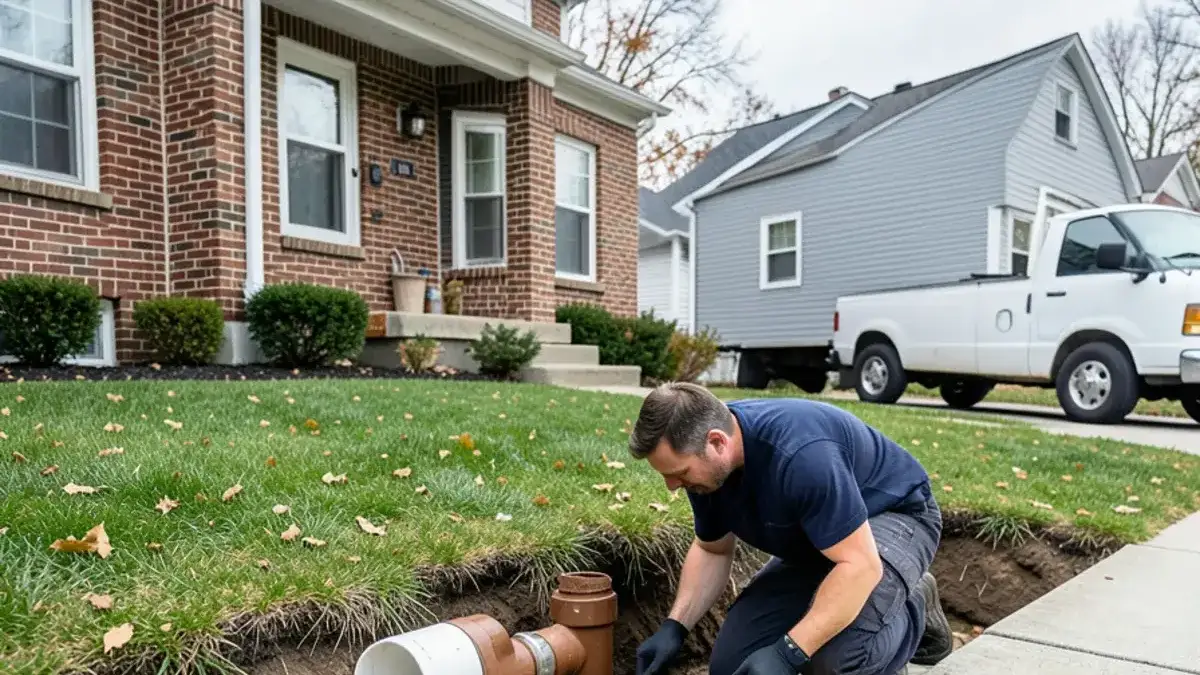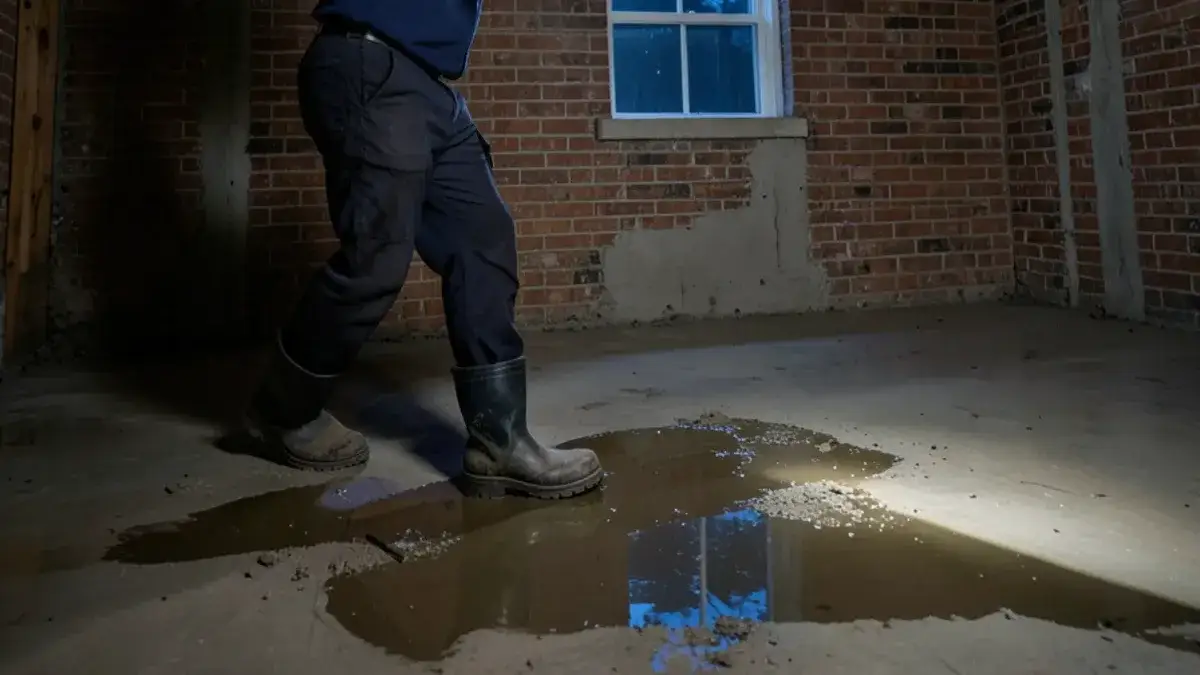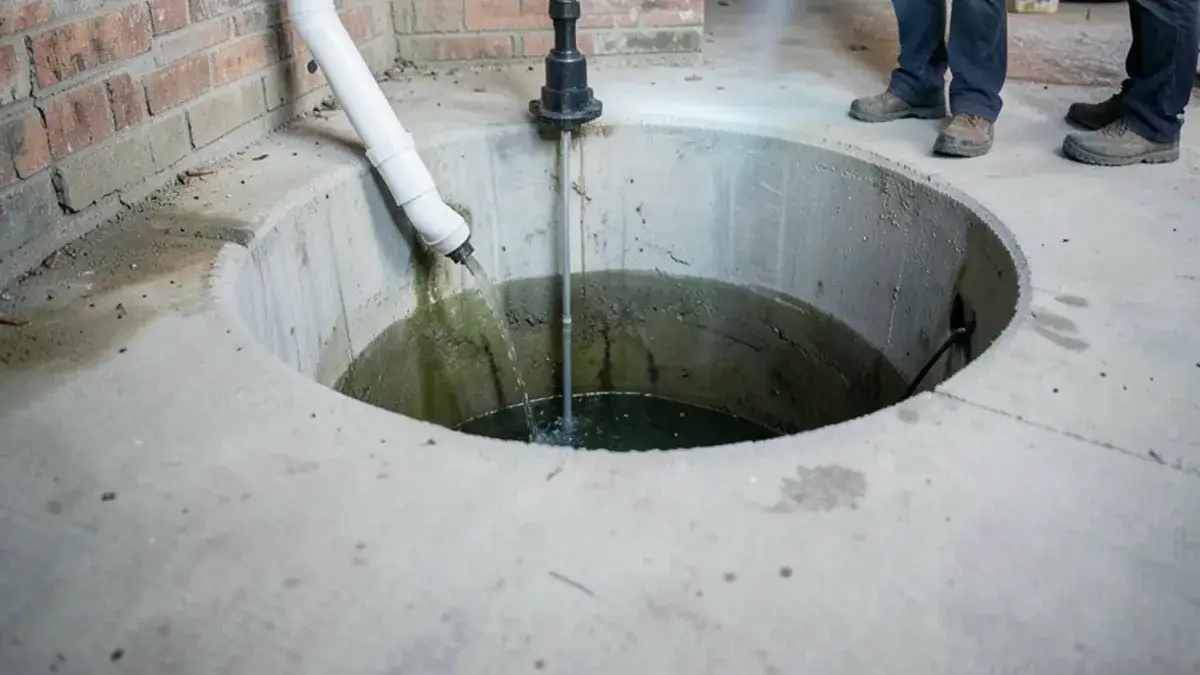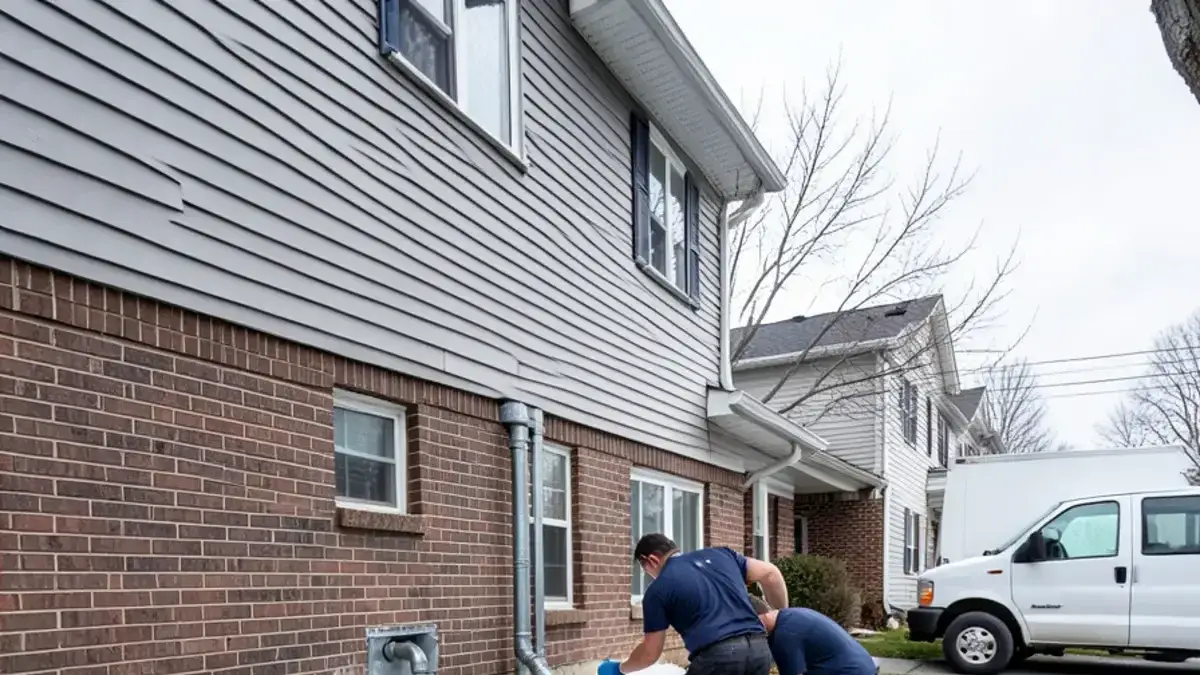
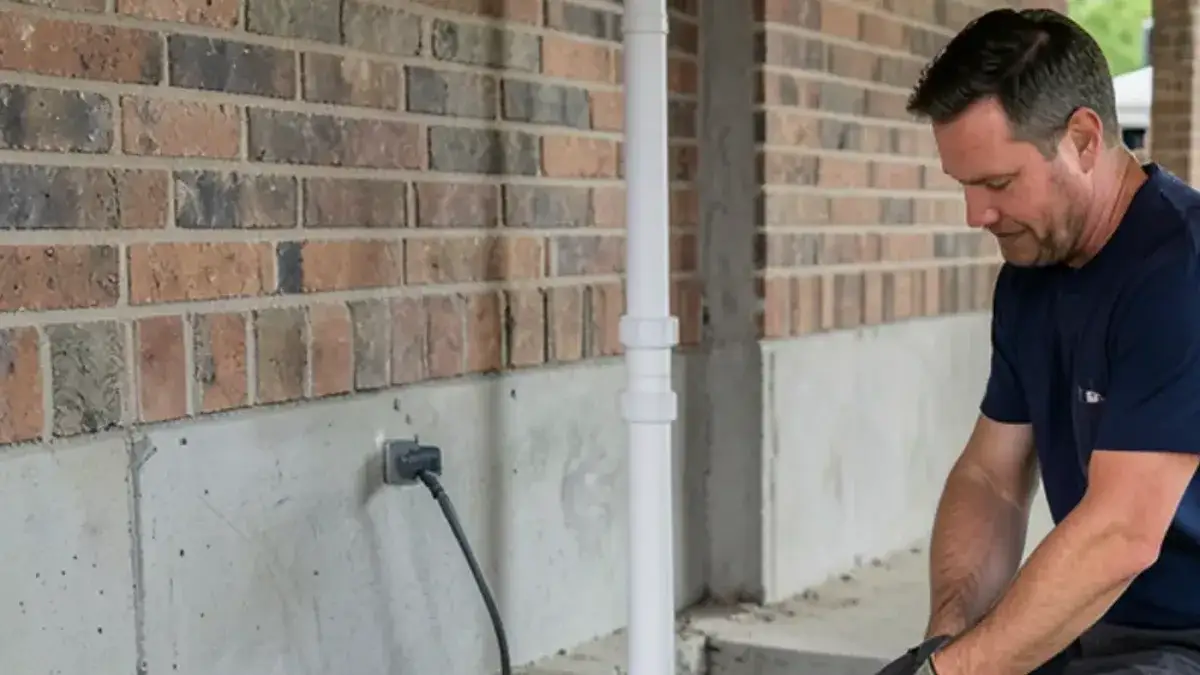
Around here the pump usually quits during the spring thaw or a summer storm outage, with the basement floor next in line.
What sump pump service covers in a Macomb basement
A sump pump call covers the pump and everything it depends on: the pit, the switch, the check valve, the discharge line out to the yard and any backup. Grading, gutters and the sewer lateral are a separate conversation, and basement flooding prevention looks at the whole house. The plumber you're connected with typically handles:
- diagnosing a pump that hums, short-cycles, runs nonstop or sits silent
- replacing floats, switches, check valves and clogged intake screens
- swapping a worn pump for a submersible or pedestal model sized to the pit
- replacing a cracked or silted pit with a perforated liner and sealed lid
- adding a battery or water-powered backup, plus the backflow device the second one needs
- rerouting a discharge line that ends at the foundation or freezes shut
A finished basement changes the job (a cabinet around the pit, carpet to protect, drywall to open for the discharge), so mention it when you call.
Ejector pumps for basement bathrooms and laundry
An ejector pump is a different machine. A sump pump moves groundwater; an ejector lifts wastewater from a basement toilet, shower, bar sink or laundry below the sewer line up into the building drain, from a sealed, vented basin. Warning signs are a toilet that won't drain, a basin alarm, sewage odor at the lid, or a pump that won't stop. Macomb Township lists sewage ejectors as a separate permit item. If sewage is already on the floor, treat it as an emergency plumbing repair and keep people and pets away.
What's wrong with your sump pump? The usual failures
Sump trouble here comes in two waves: March and April, when snowmelt keeps footing drains feeding the pit for weeks, and summer, when a thunderstorm cuts the power just as the pit fills.
The float or switch
A float hung up on the pit wall or its own cord never starts the motor. One stuck high runs the pump until the motor cooks. A new switch costs far less than a new pump.
The check valve
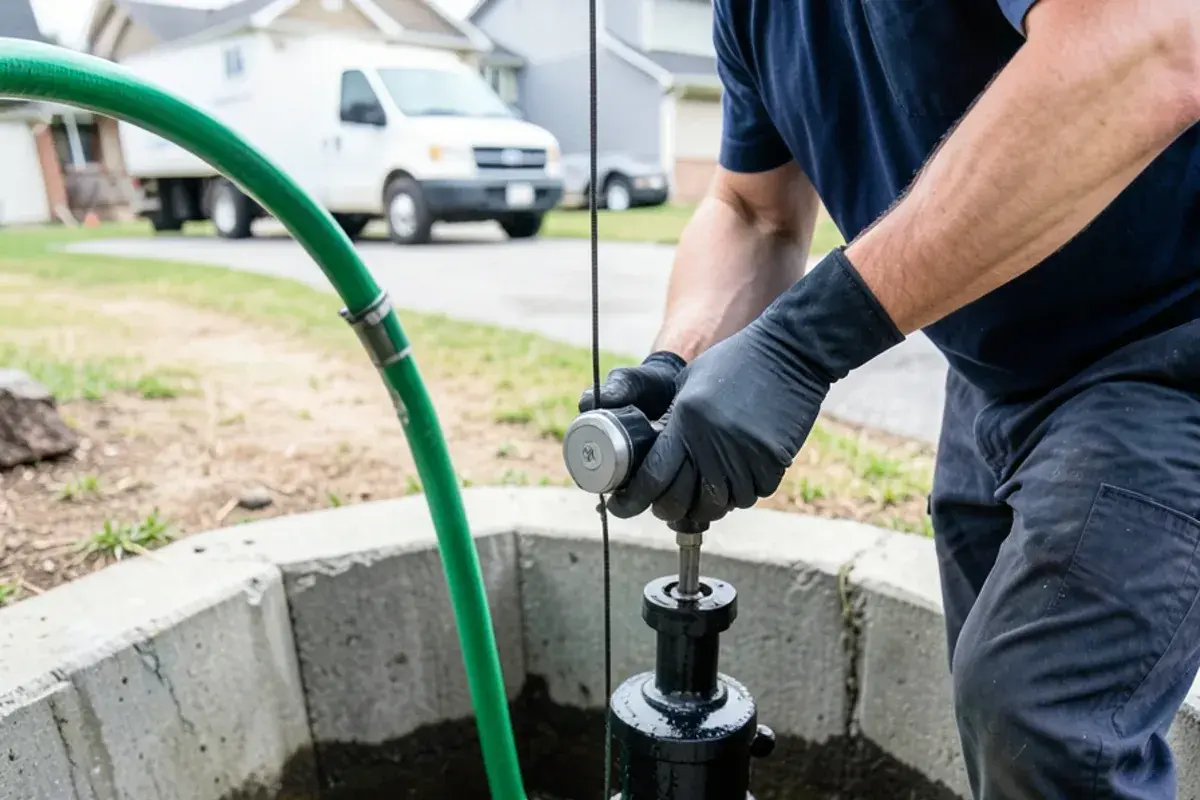
The sump pump check valve sits on the discharge pipe above the pit. When its flapper wears out, the water in the pipe drops back after each cycle and the pump restarts on the same water, over and over.
The impeller and intake
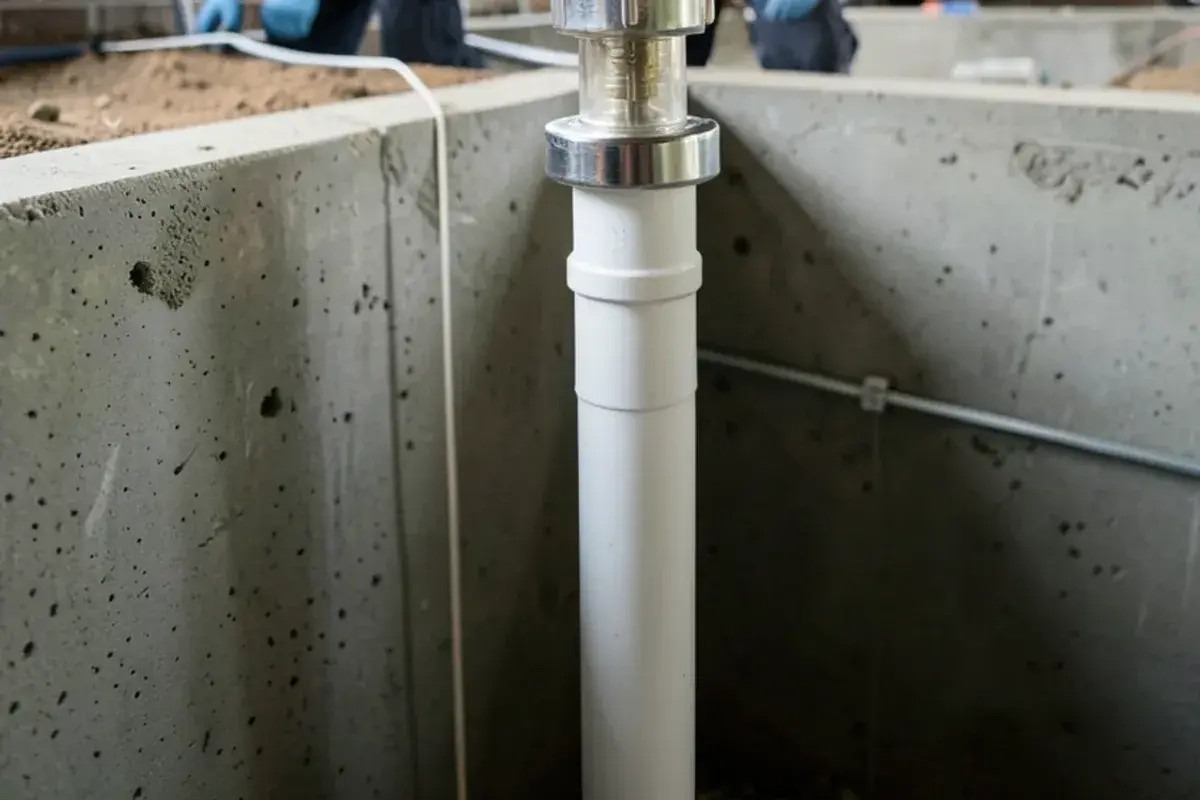
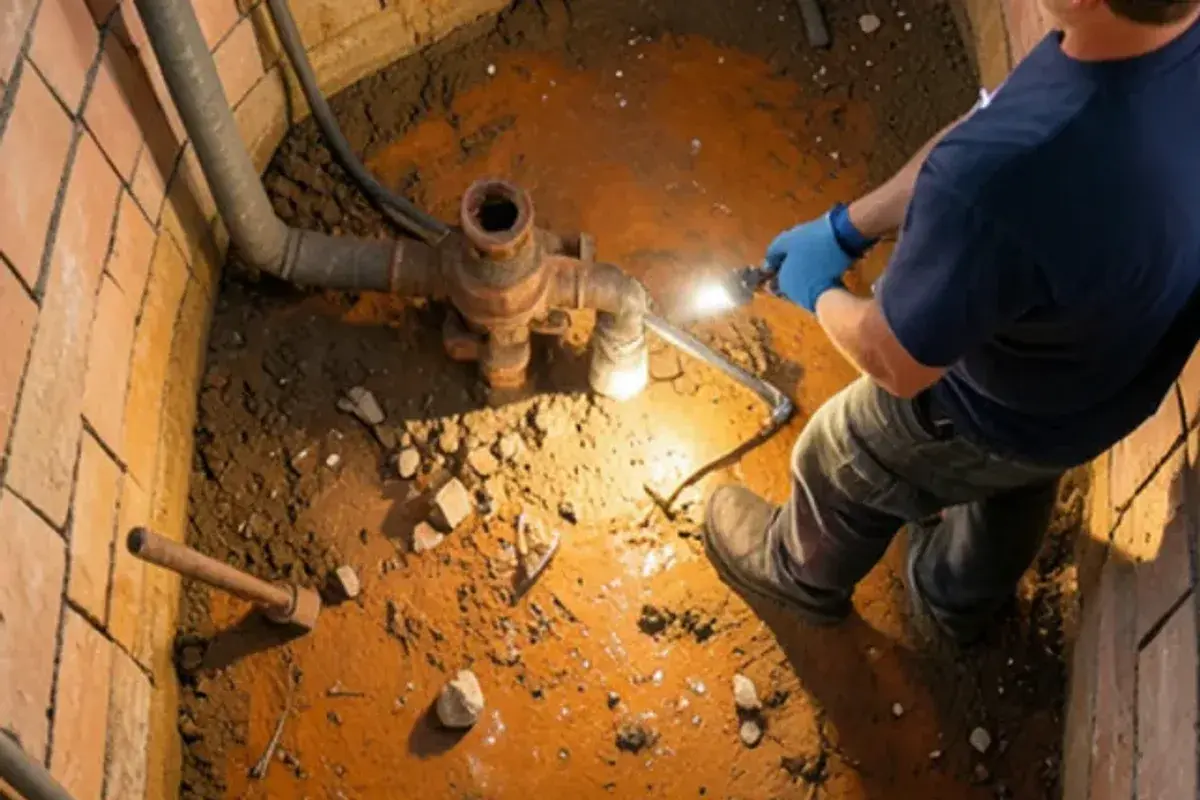
Gravel, silt and the orange iron slime some footing drains carry can jam the impeller or plug the intake screen. The motor hums; the water stays put.
Power and the discharge line
Check the GFCI outlet, the breaker and the plug from dry floor, and never reach into a full pit while the pump is plugged in. Outside, a discharge that ends in a low spot can freeze solid in January. A freeze-relief fitting at the wall gives the water a way out.
The motor
A pump that trips the breaker, runs hot or barely lowers the water is near the end. If yours keeps cycling and you can't tell why, our guide on why a sump pump runs constantly walks through checks you can do yourself.
Pit filling up and the pump won't keep pace?
- Your call goes to an independent local plumbing company that does the work.
Sump pump repair or sump pump replacement?
Repair makes sense when the motor is healthy and one part failed: a switch, a float, a check valve or a clogged intake. Replacement makes sense when the motor is burned, the housing is cracked, the pump is past its maker's expected life, or it can't keep up during a wet spring.
A submersible sits in the water, runs quieter and fits under a sealed lid. A pedestal keeps the motor above the pit, easier to service but louder. Cast iron housings shed heat better on long run cycles; thermoplastic is lighter and costs less. Vertical floats suit narrow pits, tethered floats need room to swing, and electronic switches have no arm to snag.
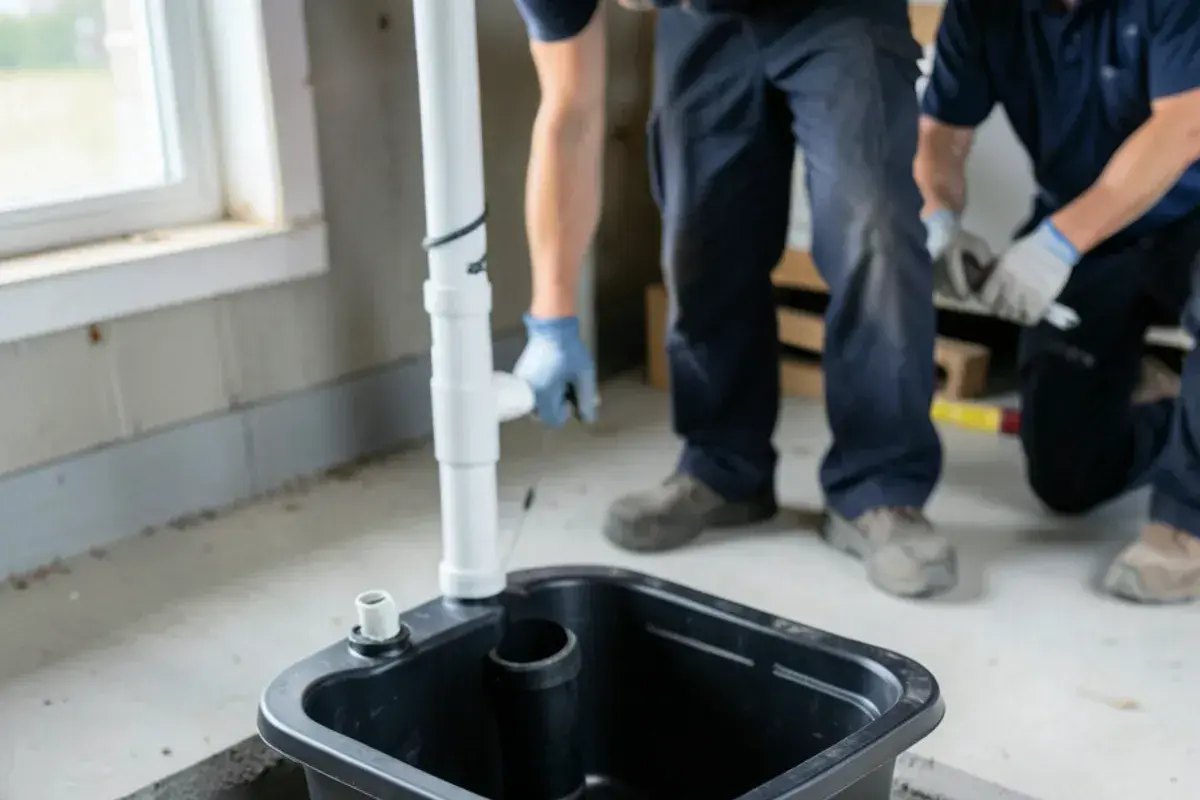
Size the pump to how fast the pit fills in a wet week and how high and far the water travels. An oversized pump in a small pit short-cycles and wears itself out. A crumbling clay-tile pit full of silt can be swapped for a perforated liner and sealed lid, giving the new pump a clean, level base.
Before
After
How a sump pump visit goes
- You call (207) 419-2600 and describe what the pump is doing, and we connect you with a plumber who covers your area.
- The plumber checks power, then fills the pit with a hose to watch a full cycle and whether the check valve holds.
- They follow the discharge line outside to see where it ends and whether it's frozen or crushed.
- You hear what failed, the options, and what drives the cost of each before any work starts.
- For a replacement, the old pump comes out, the pit is cleaned, and the new pump goes in level with a new check valve, union and supported discharge.
- The pit is filled again to test everything, and the work area is cleaned up.
Battery backup sump pump or water-powered backup?
The storms that fill the pit are the same storms that bring power lines down. A backup covers that gap.
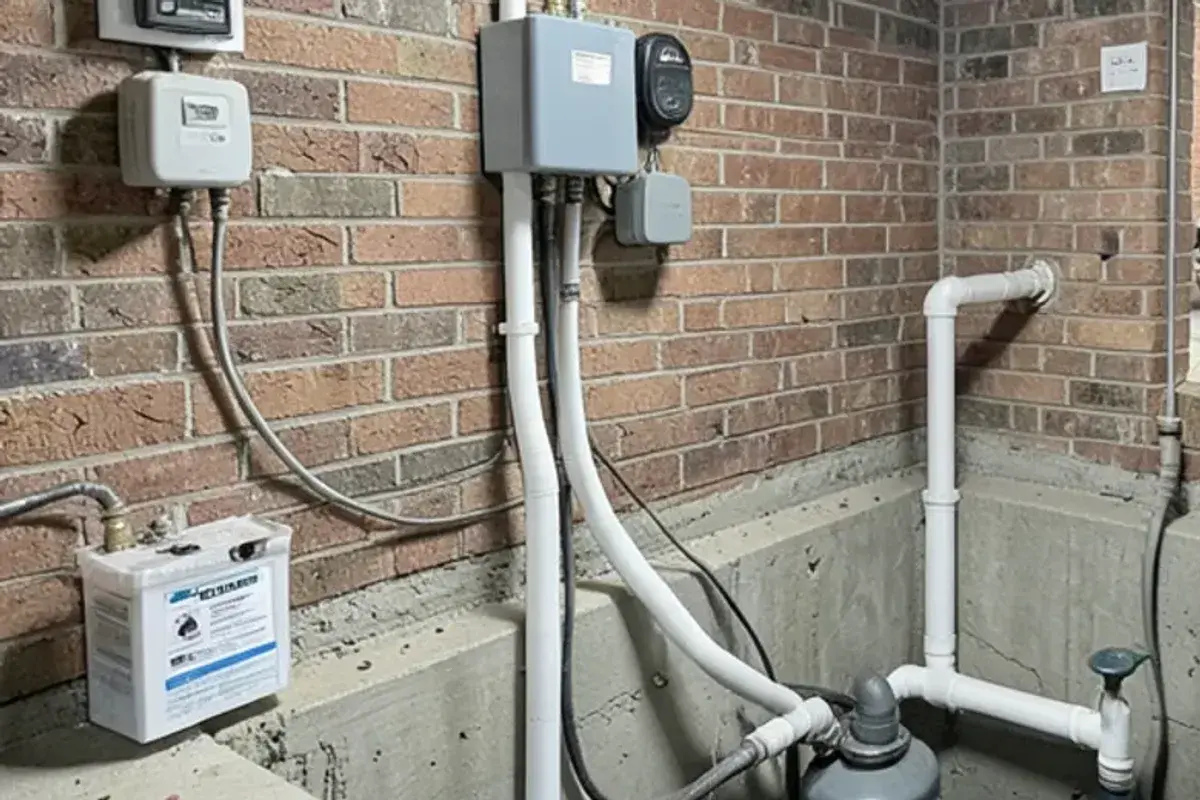
A battery backup sump pump is a second pump in the same pit, wired to a sealed or deep-cycle battery and a charger with an alarm. It starts when the main pump fails or the power drops, and runs as long as the battery holds out. Batteries need replacing on the maker's schedule, and a long outage during a wet week can drain one.
A water-powered backup uses city water pressure to pull water out of the pit, so there's no battery to wear out. It uses a lot of water while it runs, needs good household pressure, and won't work on a private well. Because it ties drinking water to a sump pit, it's a cross-connection that needs a backflow preventer. Sterling Heights requires residential devices like these to be tested every three years, and Macomb Township's cross-connection survey asks homeowners whether they have one. Our page on backflow testing explains that side.
What sets the cost of sump pump repair in Macomb
No single number fits, because these change the job:
- Repairing one part versus replacing the pump
- Pump type, horsepower, housing and switch
- A new liner, larger basin or sealed lid
- Discharge length, trenching and freeze protection
- Backup type, and a backflow preventer for water-powered units
- Outlet problems that need an electrician
- Township permit fees
- Access in a finished basement
Two calls that start with "the pump stopped" can end far apart: a stuck float on a sound pump, or a burned motor in a silted pit with a discharge dumping against the foundation, which means a pump, liner, new pipe and a trench. Ask for those pieces priced separately.
Manufacturer warranties and care
Pump and battery makers offer limited warranties that vary by model, and most ask for proof of the purchase date. Keep the receipt and write the install date on the pit lid. Between visits, clear the intake screen, keep the cord away from the float, and check the outlet outside after each big snow.
Sump pump installation rules for discharge and permits
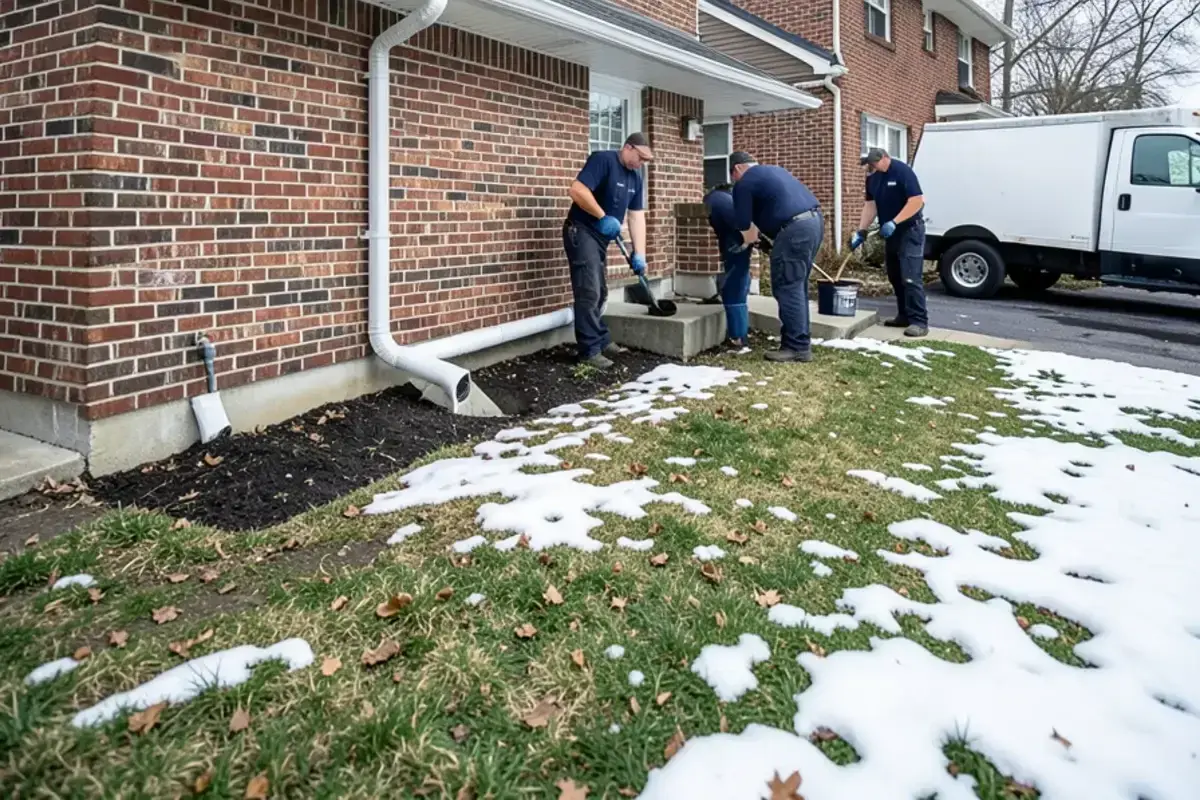
Macomb Township's ordinance bars stormwater, groundwater and subsurface drainage from the sanitary sewer. Sump water can't be piped into a floor drain, laundry tub or sewer cleanout. It has to go to a storm connection or an approved outlet on your property, which for most homes means a line through the wall that ends on the lawn, aimed away from the house so the water doesn't loop back to the footing drains.
Clinton Township inspects new, repaired or rerouted sump discharge lines before they're buried. Sterling Heights lists a sump connection to the storm sewer as its own permit item. In Macomb Township, the plumbing fee table includes both a sump and a water-powered backup, so a new installation is permitted work.
Under LARA's rules, the permit goes to a licensed plumbing contractor or to a homeowner doing the work in the single-family home they live in. Ask the plumber for the contractor's license number and look it up on LARA's online verification page.
Why call Plumbers in Macomb, MI about a sump pump?
Because a sump pump rarely fails on its own schedule, and one number covers every plumbing problem in the house. A pit that can't keep up in April might trace back to a frozen discharge or a backup nobody tested. Call (207) 419-2600 and we'll ask what the pump is doing and where the discharge ends, then connect you with an independent local plumber who covers your part of Macomb County. These pages lay out the parts, cost factors and township rules so you can ask clear questions first. There's no form to fill in, just a phone call to a plumber who says when they can come.
Sump pump repair and installation: questions we hear
Why is my sump pump running constantly?
Three causes cover most cases. A float or switch stuck on, a failed check valve letting the discharge water drop back into the pit, or steady water from the footing drains during a wet March. If it's dry outside and the pit refills in seconds, have it checked before the motor overheats.
Does a new sump pump installation need a permit in Macomb Township?
Yes. The township's plumbing permit fee table lists sump installations and water-powered backup sump pumps as permit items. A licensed plumbing contractor or a homeowner working on the single-family home they live in can apply. A straight swap of a failed pump is worth asking the building department about before you assume either way.
How often should I test my sump pump?
Every few months, and always before the spring thaw. Pour water into the pit until the float lifts, watch the pump empty it, and listen for the check valve closing. Test the battery backup too by unplugging the main pump during the fill.
How long does a sump pump last in a Michigan basement?
Often around seven to ten years for a submersible, but run time matters more than age. A pump near Anchor Bay that cycles all through March wears faster than one in a dry pit, and pedestal models can last longer because the motor stays dry. Write the install date on the lid.