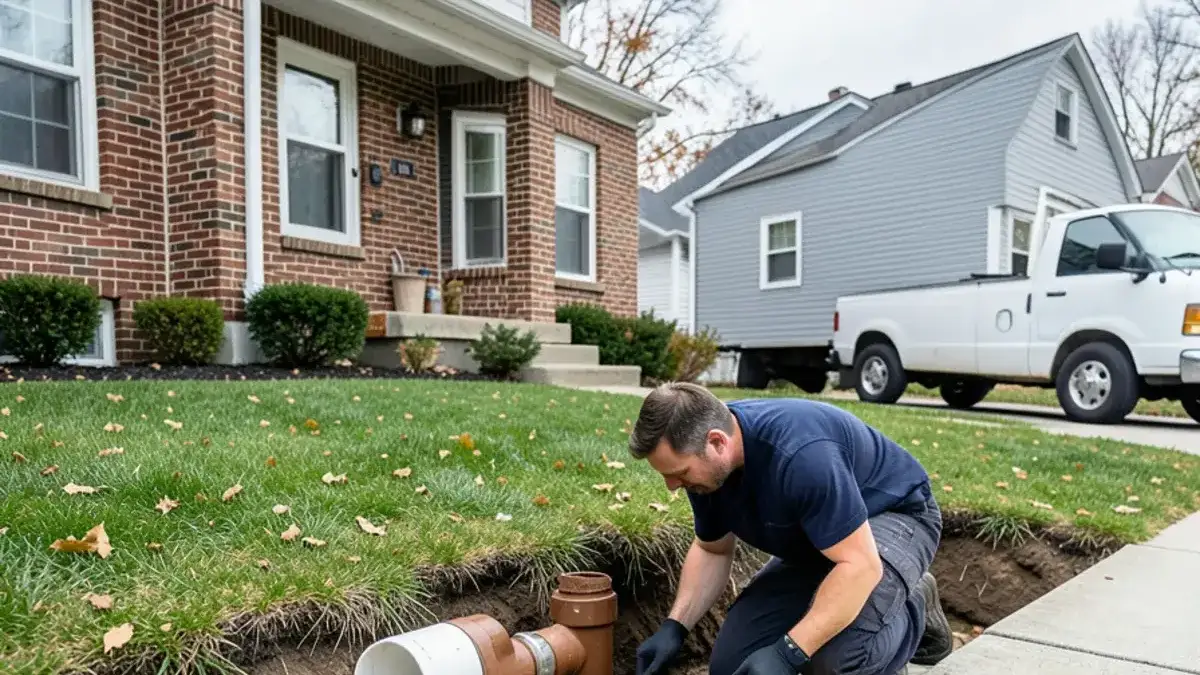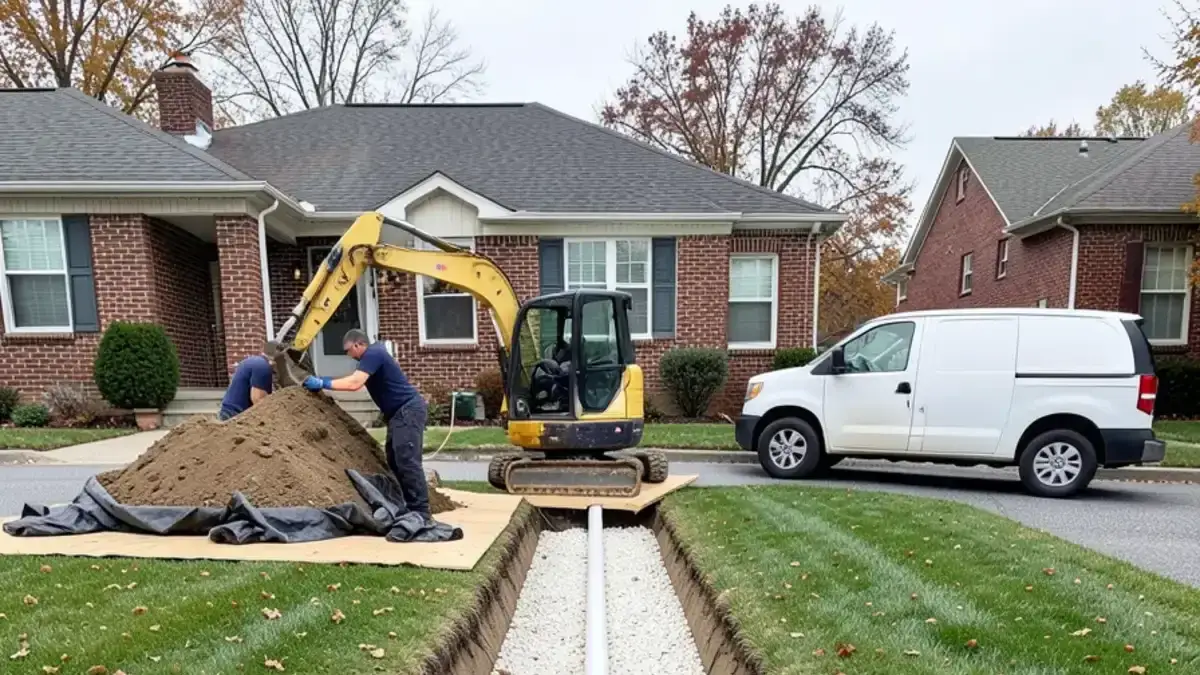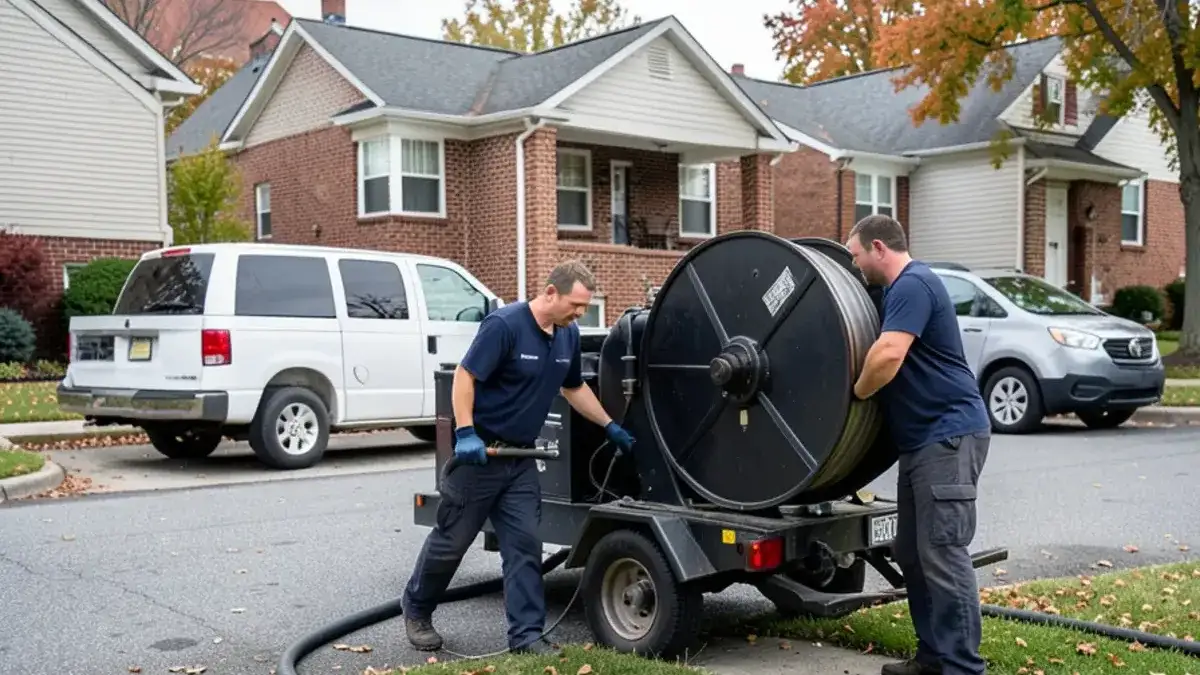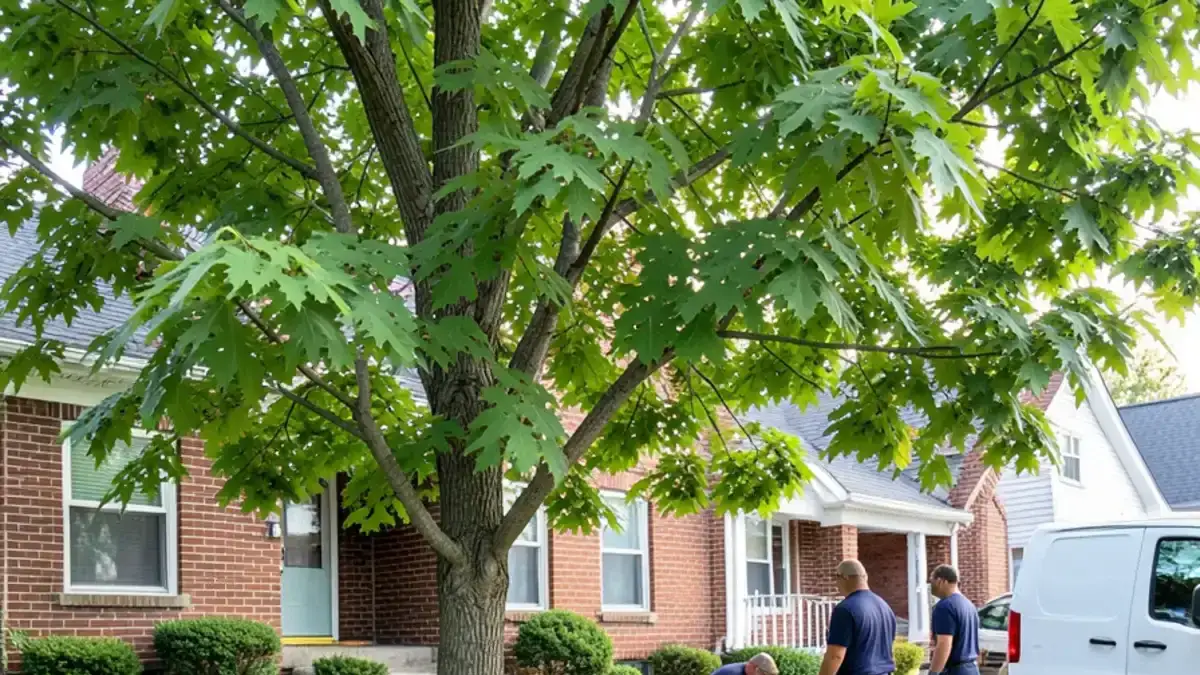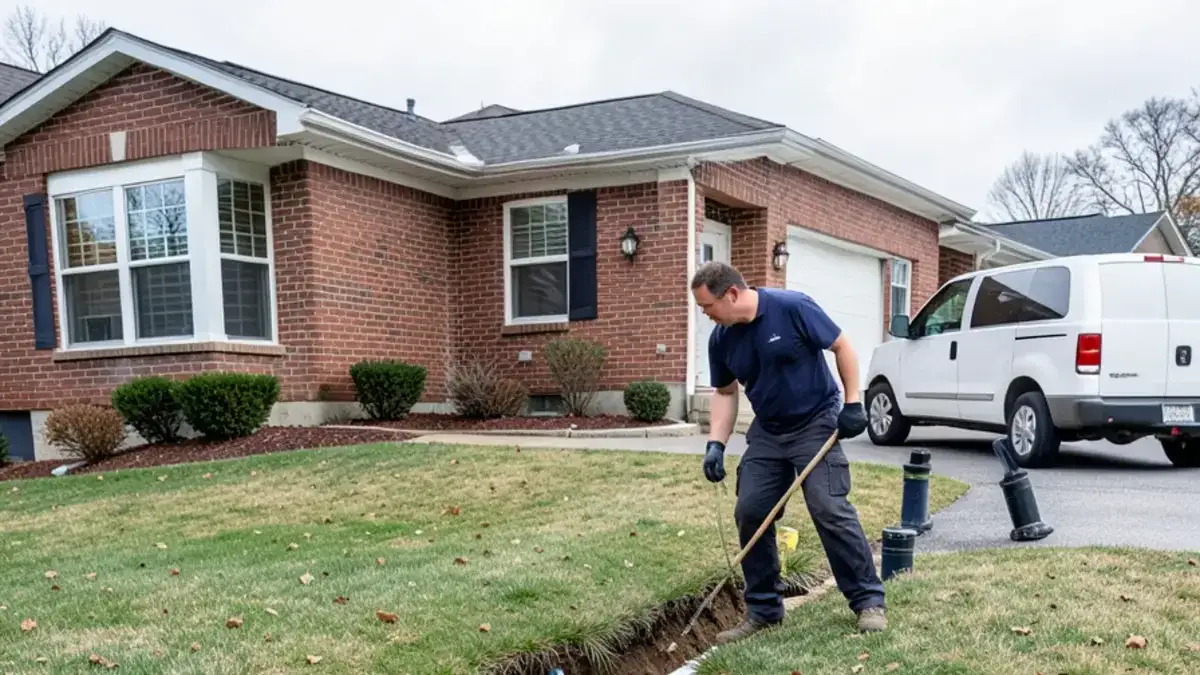
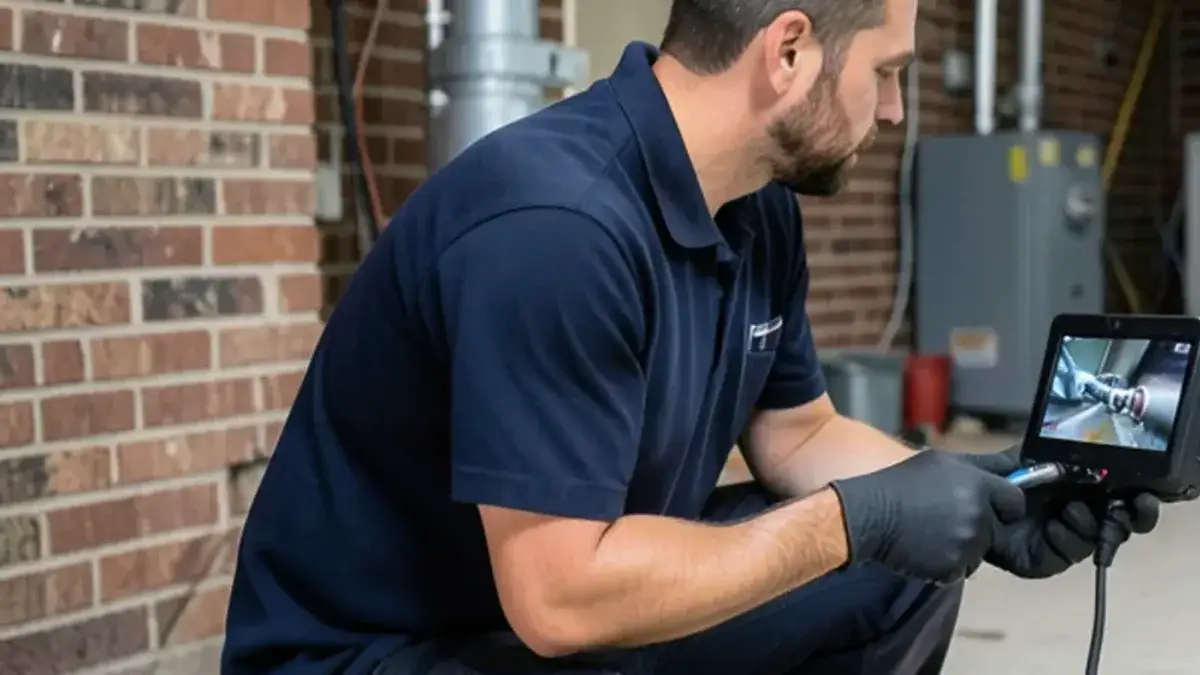
Around Macomb County, the usual finds are roots in older clay laterals and sags under newer lawns.
When a sewer line inspection makes sense
A camera is worth it when you need to know what's inside the pipe instead of guessing:
- You're buying a house. Standard home inspections look at what's visible and generally don't run a camera down the sewer lateral.
- Drains have backed up more than once, or the main line slows again soon after it's cleared.
- Someone has quoted a repair or replacement, and you want to see the problem before you agree to it.
- Roots were cut or the line was jetted, and you want to see what's left.
- You're about to finish the basement or add a bathroom, and you'd rather fix the pipe under the floor first.
- You had a backup and need to know whether it came from your line or the public main.
Buying a house or tired of backups? Call (207) 419-2600
- Your call goes to an independent local plumbing company that does the work.
Should you get a sewer scope before buying a house in Macomb County?
For an older house, yes, in most cases. A lateral can look fine from inside while roots, cracks or a collapsed section sit 30 feet out under the lawn. Failed clay laterals under pre-1975 houses were common enough in Clinton Township that the township set up a repair aid program for them. Finding one before closing gives you something to negotiate with; finding it after means it's your bill. In newer subdivisions with PVC laterals, a scope mostly looks for bellies, construction debris and damage from later digging. The seller has to allow it, someone needs to be at the house, and in a vacant house water should run for a while before the camera goes in.
What a camera inspection of the drain line can show
The lit, self-leveling camera head shows the pipe wall as if you crawled inside. It finds:
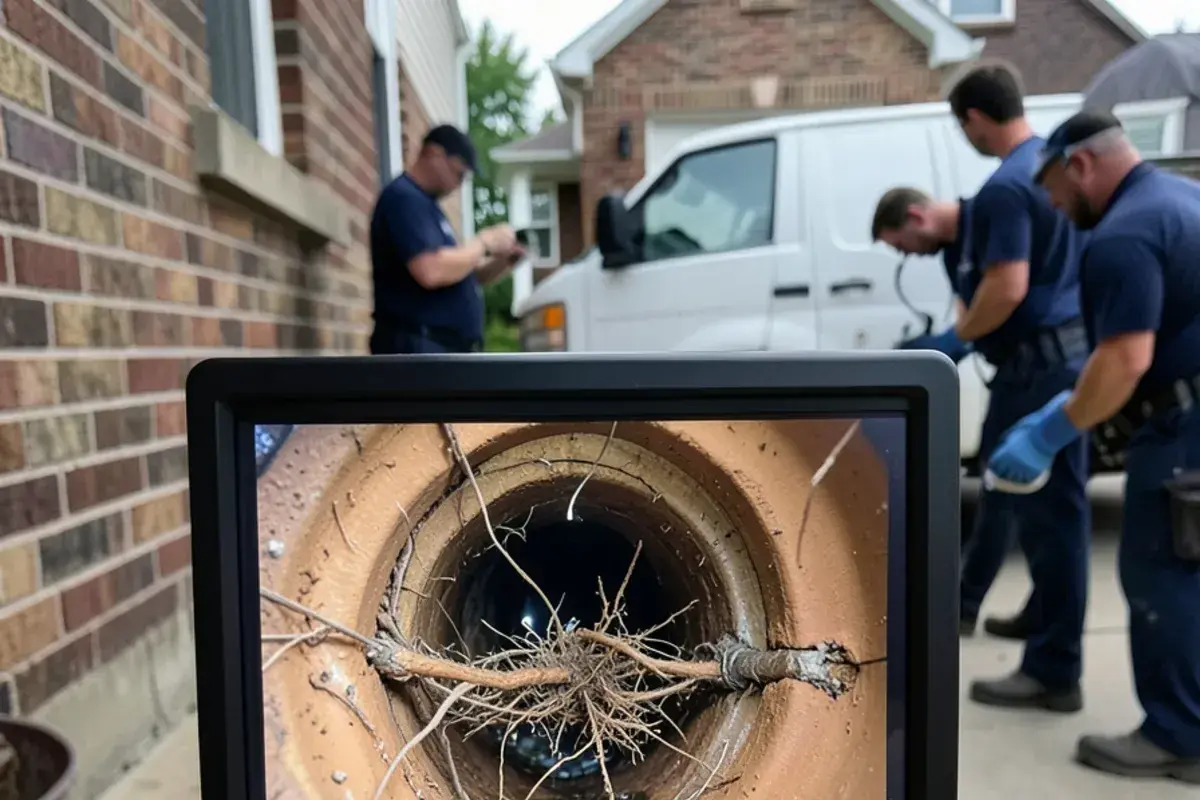
- Roots entering at joints, from a few hairs to a mass that fills the pipe.
- Cracks, holes and broken sections, including collapsed pipe.
- Offsets, where one section has shifted up or sideways from the next, often from ground movement through freeze-thaw seasons.
- Bellies or sags, where the pipe has settled and holds standing water.
- Grease buildup and cast iron scale narrowing the pipe.
- Material changes, such as cast iron under the house switching to clay outside, and old repairs with mismatched couplings.
It also confirms the pipe size and the route the line takes, which any repair quote depends on. It can't see through standing water or judge the soil around the pipe, and a crack that leaks outward may look small on screen.
How a sewer camera inspection in Macomb works
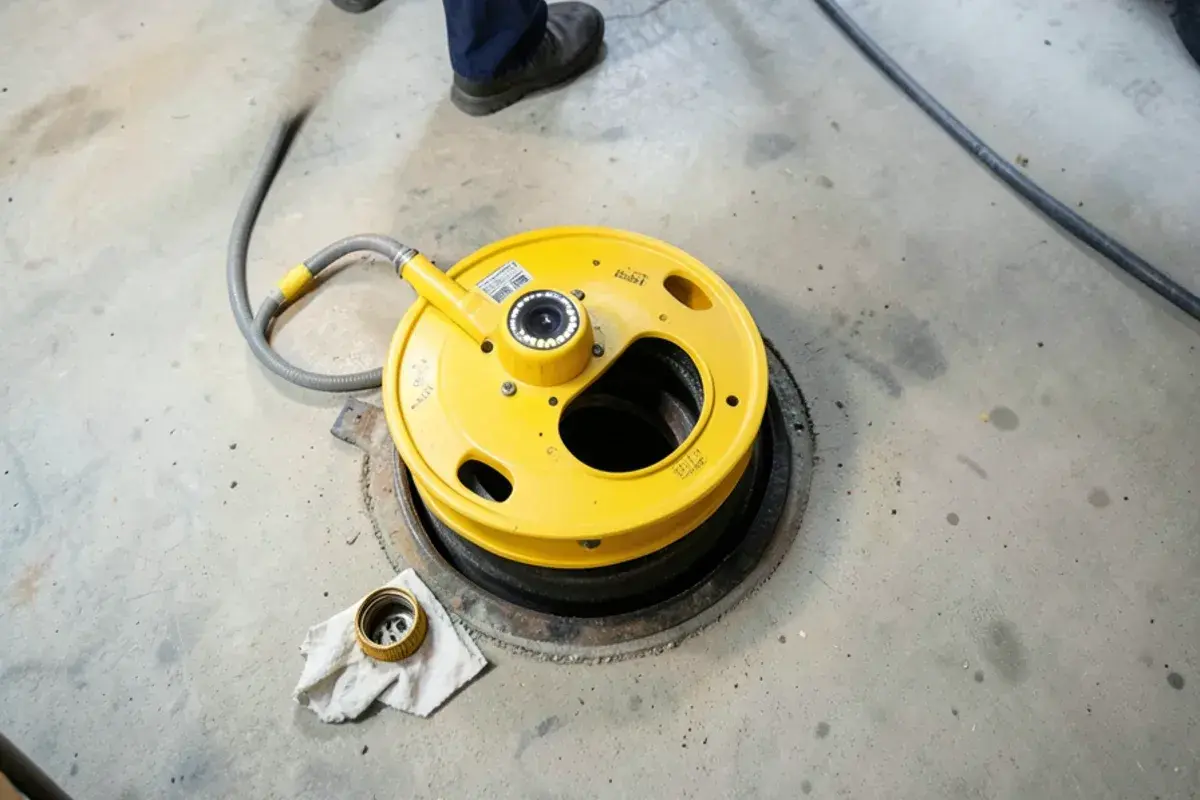
- The plumber opens the best access, usually a cleanout in the basement floor or outside near the foundation. Without one, a toilet comes up and the camera goes in through the flange, and the toilet is reset on a new wax seal afterward. Roof vents work on some houses.
- If the line is stopped, it gets cleared with a cable first, because a camera can't see through standing sewage. Roots or debris on the blade give the first clue.
- The camera is pushed out toward the main while it records. A counter on the reel tracks the distance, and every defect is noted with its footage and position in the pipe.
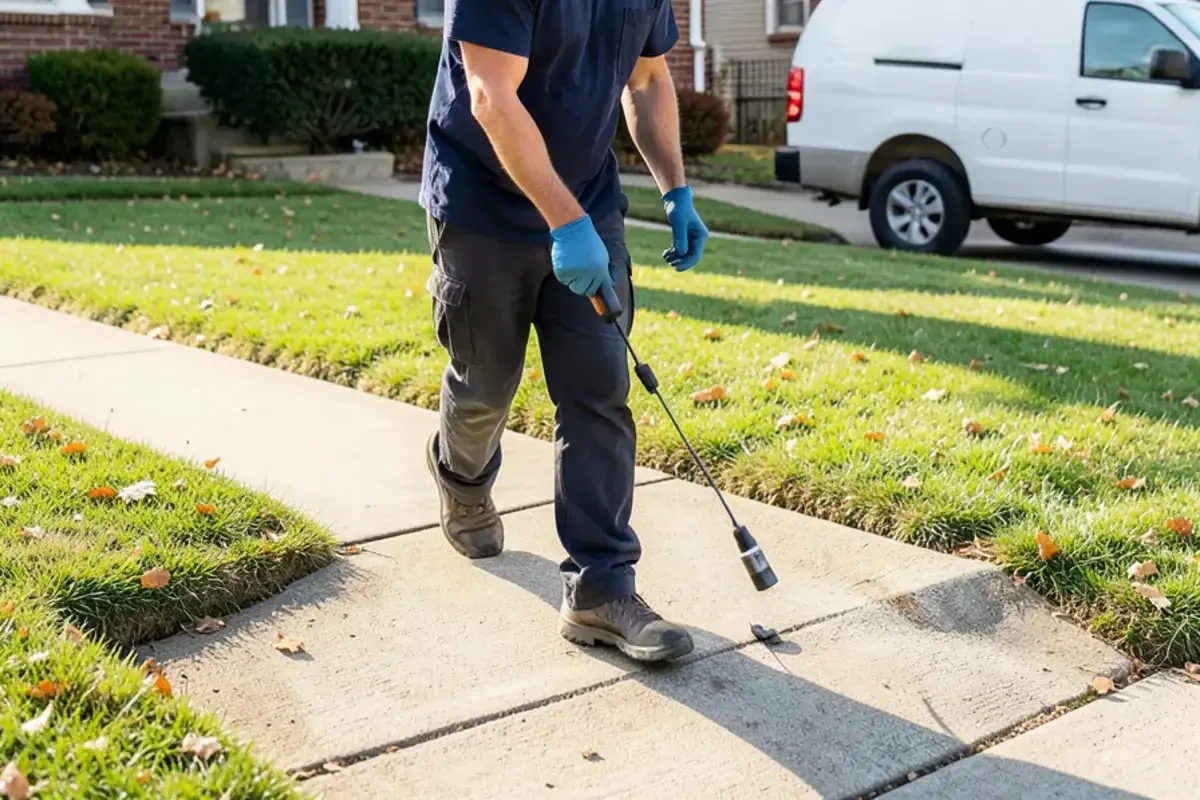
- A small transmitter in the camera head sends a signal up through the soil. With the camera parked at each problem spot, a handheld locator finds it from the surface and estimates the depth.
- Each spot gets marked on the lawn or driveway.
- The plumber reviews the footage with you before anyone talks about a fix.

What you get after the sewer video inspection
You get the recording, the footage and estimated depth of each defect, and marks on the ground where they sit. The plumber sits down with you, shows the footage and explains what each finding means in plain terms: which problems need action now, which can wait, and which are cosmetic.
Permits, MISS DIG and who can do the repair
The camera changes nothing in your plumbing, so the inspection needs no permit. The repair it leads to usually does. LARA requires a permit before plumbing work starts, pulled by a licensed plumbing contractor or by a homeowner for their own home, and LARA allows permits for building sewer work alone to go to people other than licensed contractors, subject to local rules. Your township or city building department says what it requires. Before anyone digs, MISS DIG 811 needs at least three business days' notice, and utilities don't mark private lines, which is why the camera's locate marks matter. Ask for the contractor license number and check it on LARA's lookup.
What changes the cost of a sewer camera inspection
There's no flat price, because the work around the camera varies more than the camera run itself. These are the variables:
- access: an open basement cleanout is quicker than pulling a toilet or working from a roof vent
- whether the line has to be cleared with a cable before the camera can see anything
- the length of the lateral and how many bends and fittings the camera has to push through
- whether you want each defect located and marked on the ground, or only a look
- a second access point when the camera can't get past an offset or a belly from one side
- timing, since a home-sale deadline or a call outside regular hours can change the schedule
Ask what the visit includes before it starts: the recording, the distances and depths, the locate marks, and whether a cleanout plug that's rusted in place would add work.
Why call Plumbers in Macomb, MI for a sewer camera inspection?
One number covers every plumbing problem, including the one the camera turns up. Plumbers in Macomb, MI is a referral service: we connect you with an independent local plumber who covers your area, and there's no form to fill out. Tell the plumber whether the line is backed up and whether it's a home purchase, and ask when they can bring the camera out. These pages explain what a scope shows, what moves the cost and when a permit applies, so you can ask good questions, such as how far out a defect sits and whether the footage is yours to keep.
What happens if the camera finds a problem?
Not every finding needs a shovel. Light roots or grease can be handled with scheduled cleaning, often hydro jetting after the roots are cut. A single crack, offset or short sag is usually a spot repair at one hole, covered on our sewer line repair page. When the camera shows trouble all along the run, sewer line replacement by trench or a trenchless method is the conversation to have, and the footage is what makes those quotes comparable.
Ownership matters too. The homeowner usually owns the lateral and the community the public main, but the dividing point varies, so confirm it with your water and sewer department. Mount Clemens, for one, advises a camera look at the sewer lead before anyone excavates. For what drives the price of a full replacement, read sewer line replacement cost factors.
Sewer camera inspection: questions we hear
Can a sewer camera find exactly where the line is broken?
Yes, within practical limits. The camera's footage counter tells how far out the break is, and a transmitter in the camera head lets a handheld locator find it from above and estimate the depth. That's usually close enough to dig one hole in the right place.
Should I get a sewer scope on a newer house?
Yes, if the sale price leaves little room for surprises. It's less likely to find trouble in a house with a PVC lateral, but newer lines can still have bellies from poor bedding, construction debris, or damage from later digging. Large trees near the line raise the odds.
How long does a sewer line inspection take?
Most of the time goes to getting access and, if the line is backed up, clearing it first. The camera run itself is the quick part. Locating and marking defects and walking you through the footage add time, so plan to be there for the review.
Will the camera show whether the city's main is the problem?
Yes, partly. It shows your lateral up to where it meets the main, and often a short view into the main itself. If your line is clear to the connection and the backup came from the street, take that footage to your water and sewer department. In Macomb Township a written claim for backup damage has to be filed within 45 days of discovering it.