
Prevention checklists
Fall plumbing checklist for Michigan homes
This fall plumbing checklist covers ten jobs worth doing in a Michigan home between the first cool nights and the first hard freeze. Most take a few minutes, and a couple are worth handing to a pro.
By Plumbers in Macomb, MI · Published · Last updated
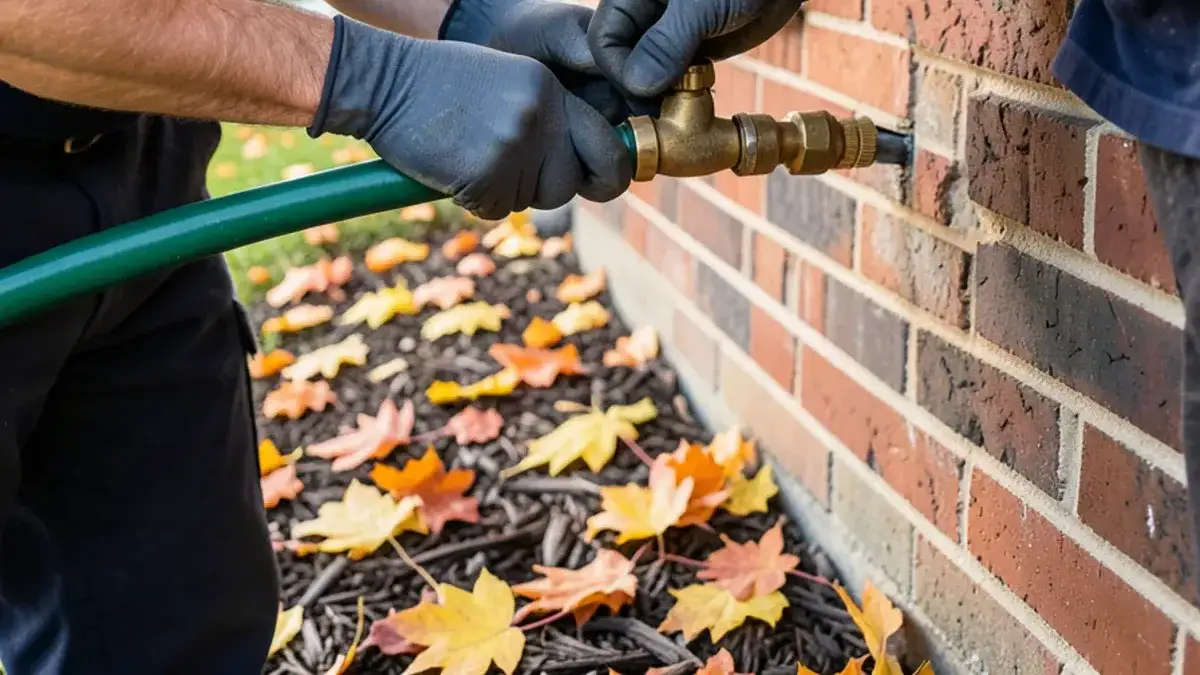
The weeks between Labor Day and the first frost are the easy time to do plumbing chores in Michigan. The ground is soft, the garage isn't freezing, and nothing is leaking yet. This fall plumbing checklist puts the jobs in a sensible order, with notes on which ones you can handle and which ones are worth a call.
The ten-step fall list at a glance
| Step | Task | Best timing | Who usually does it |
|---|---|---|---|
| 1 | Shut off and drain outdoor spigots | Before the first hard freeze | You |
| 2 | Blow out the sprinkler system | Before the ground freezes | Irrigation company or you |
| 3 | Clear gutters and extend downspouts | After most leaves fall | You |
| 4 | Test the sump pump and backup | October | You, a plumber for repairs |
| 5 | Check the water heater | Any time in fall | You, a plumber for repairs |
| 6 | Test the main water shutoff | Any time in fall | You |
| 7 | Insulate exposed pipes | Before December | You |
| 8 | Look for slow leaks under sinks and toilets | Any time in fall | You |
| 9 | Refill rarely used floor drains | Monthly through winter | You |
| 10 | Prep the kitchen drain for Thanksgiving | The week before | You |
Found a problem on your fall list? Get it fixed before the freeze
- Your call goes to an independent local plumbing company that does the work.
Outside the house
1. Shut off and drain outdoor spigots
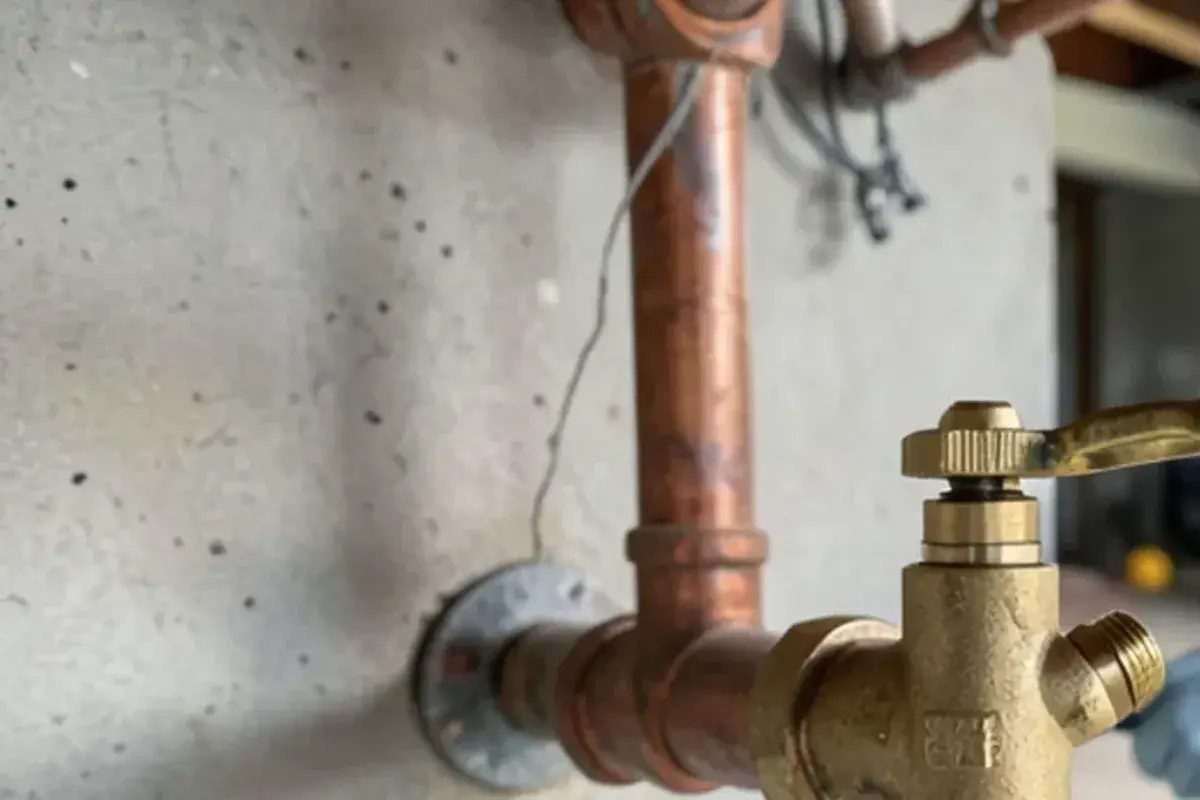
Find the shutoff for each outdoor faucet. It's usually on the basement ceiling near the rim joist, directly behind where the spigot comes through the wall. Close it, go outside and open the spigot, then come back in and open the small drain cap on the inside valve if it has one. Leave the outside faucet open all winter. Aim to finish before the first night forecast at 28°F or colder, the usual definition of a hard freeze; in Macomb County that tends to land between late October and mid November.
Frost-free spigots have a long stem that shuts the water off inside the warm basement, but they only drain if nothing is attached. A hose left on traps water in the barrel, it freezes, and the crack stays hidden inside the wall until the first warm day in April. A foam cover adds a little protection. If a spigot drips, won't shut off, or leaked last spring, faucet repair and replacement covers outdoor spigots too.
2. Blow out the sprinkler system
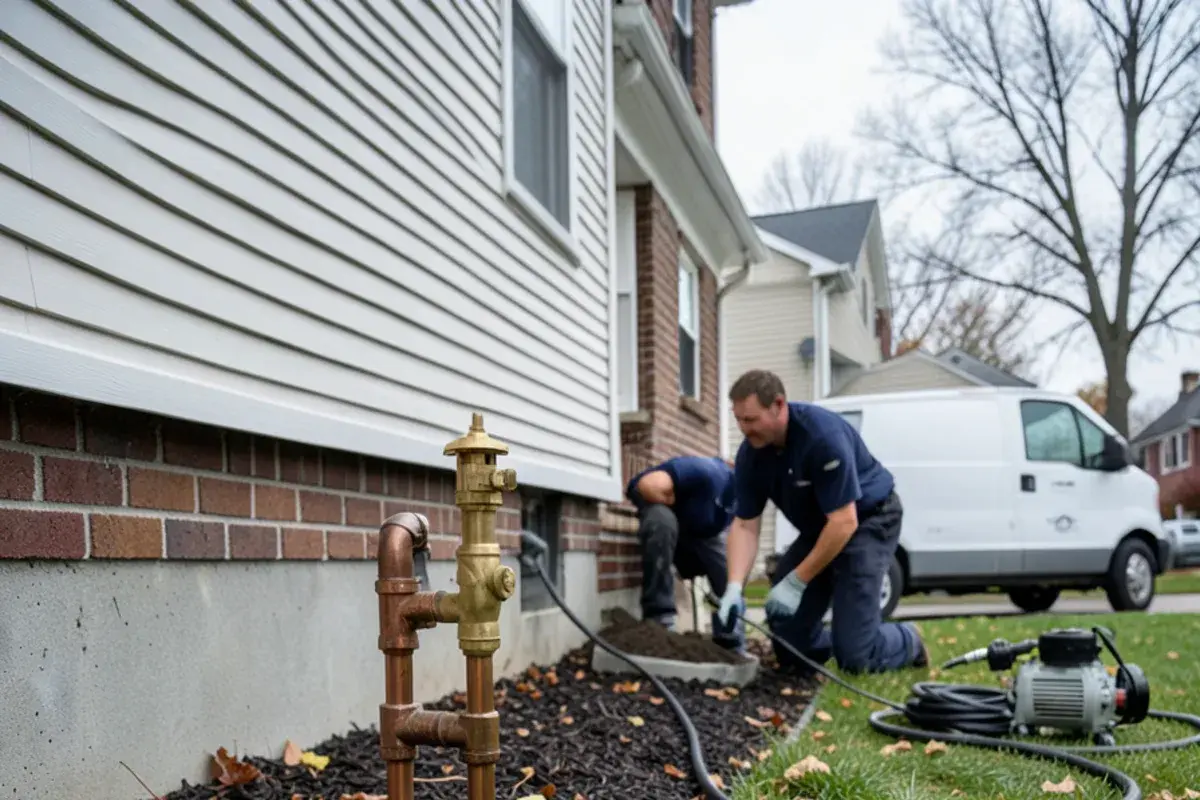
Underground sprinkler lines hold water in every low spot, and compressed air is the only practical way to clear them. Shut the water to the system first. The backflow preventer, usually a brass assembly on pipes beside the foundation, sits above ground and needs to be drained or insulated too.
This is also a good time to ask whether your backflow test is due. In Sterling Heights, residential backflow assemblies such as sprinkler vacuum breakers are tested every three years. Michigan requires testers to hold ASSE 5110 certification and a plumbing license.
3. Clear gutters and extend downspouts
Rain off the roof that dumps beside the foundation ends up in the footing drains, and from there in the sump pit. Clean the gutters once the leaves are down, and make sure each downspout empties several feet from the house. Downspouts and sump lines must not feed the sanitary sewer. Macomb Township's code bans roof runoff, groundwater and stormwater from it.
In the basement
4. Test the sump pump
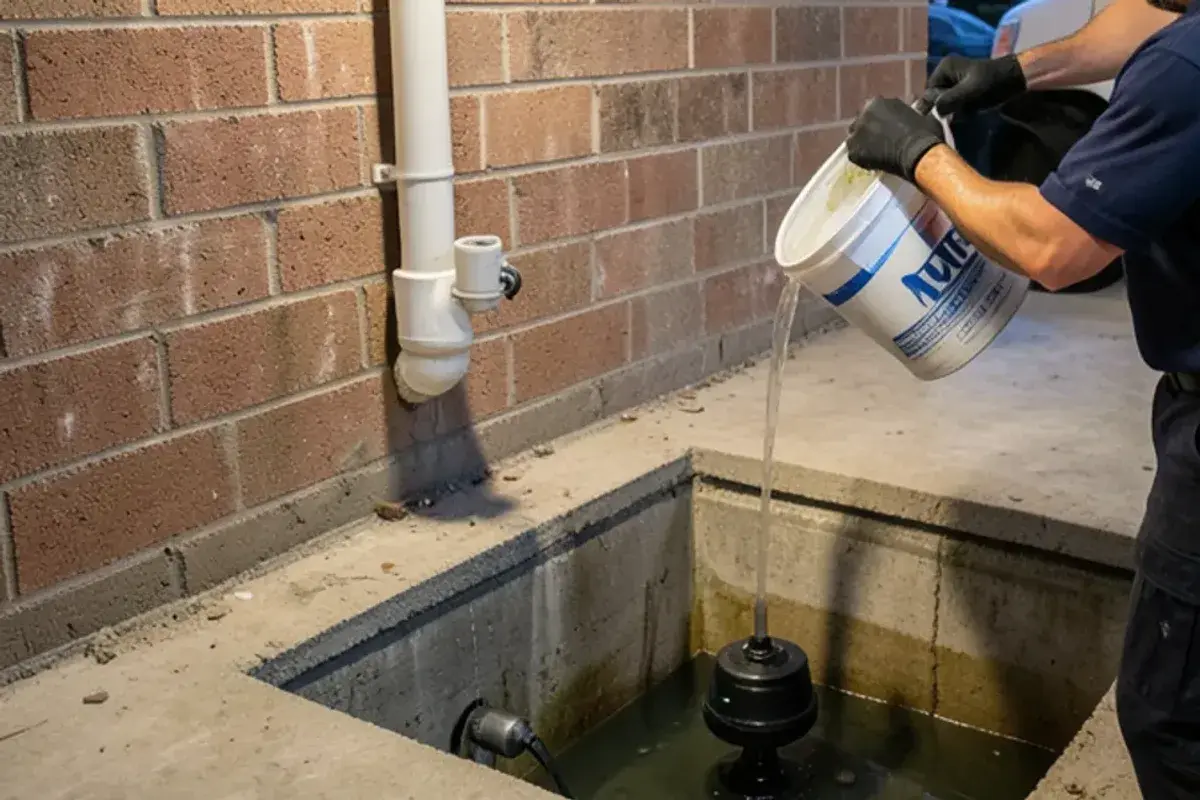
Fill a bucket and dump it into the pit, enough to lift the float. Watch for three things: the pump kicks on, drains the pit down, and stops without help. Listen for the check valve on the discharge pipe. A loud slam or water running back into the pit after the pump stops means it needs attention. Outside, make sure the discharge line is clear and runs away from the house, since a frozen or crushed line can stop the pump from moving water at all. If you have a battery backup, unplug the main pump and test the backup the same way. If the pump fails this test, read up on sump pump repair and installation before the spring melt.
5. Check the water heater
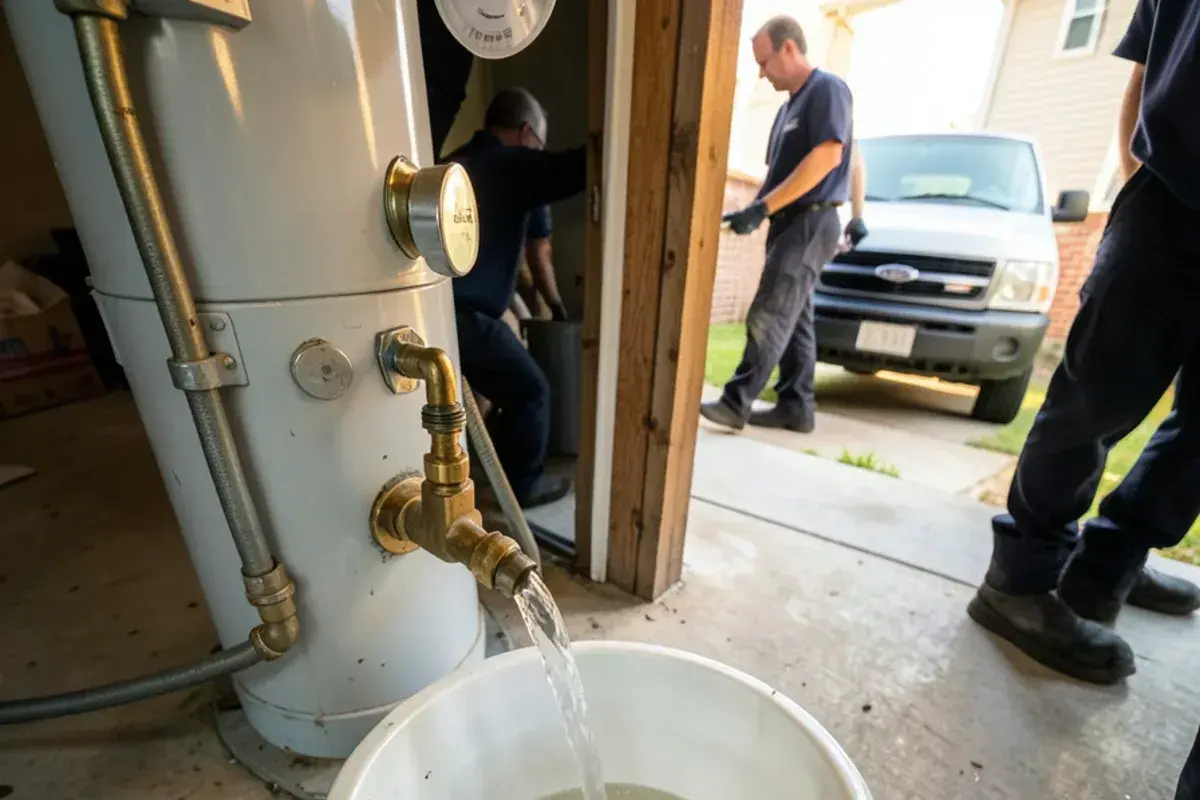
Look at the floor around the tank for rust or damp spots, and check that the relief valve discharge pipe is dry at the end. Connect a hose to the drain valve and run a few gallons into a bucket. Township water tested at an average of 99 ppm hardness in Macomb Township's 2024 report (close to 5.8 grains per gallon), so a little sediment is expected. On a gas heater, clear any stored boxes or paint cans away from the burner and make sure the vent pipe is still firmly connected. If the tank leaks, rumbles, or runs out of hot water fast, see water heater repair.
6. Test the main water shutoff
Close the main, confirm a nearby faucet stops, and open it again. If it won't move or won't seal, our guide on using your main water shutoff explains what to do next.
7. Insulate exposed pipes
Wrap pipes in the garage, the crawl space and along the rim joist with foam sleeves, and seal drafty gaps around them. Our guide to preventing frozen pipes lists the spots that freeze first.
8. Look for slow leaks
Check under every sink with a flashlight and run a hand along the supply lines and the trap. To check a toilet, drip food coloring into the tank and leave it 15 minutes without flushing. Color in the bowl means the flapper leaks. Then read the water meter before bed and again in the morning with no water used. If it moved, something is leaking.
9. Refill floor drains
A floor drain that never gets water loses the water seal in its trap, and sewer gas comes up into the basement. Pour a bucket into each one this fall and once a month through winter.
In the kitchen
10. Prep the drain for Thanksgiving
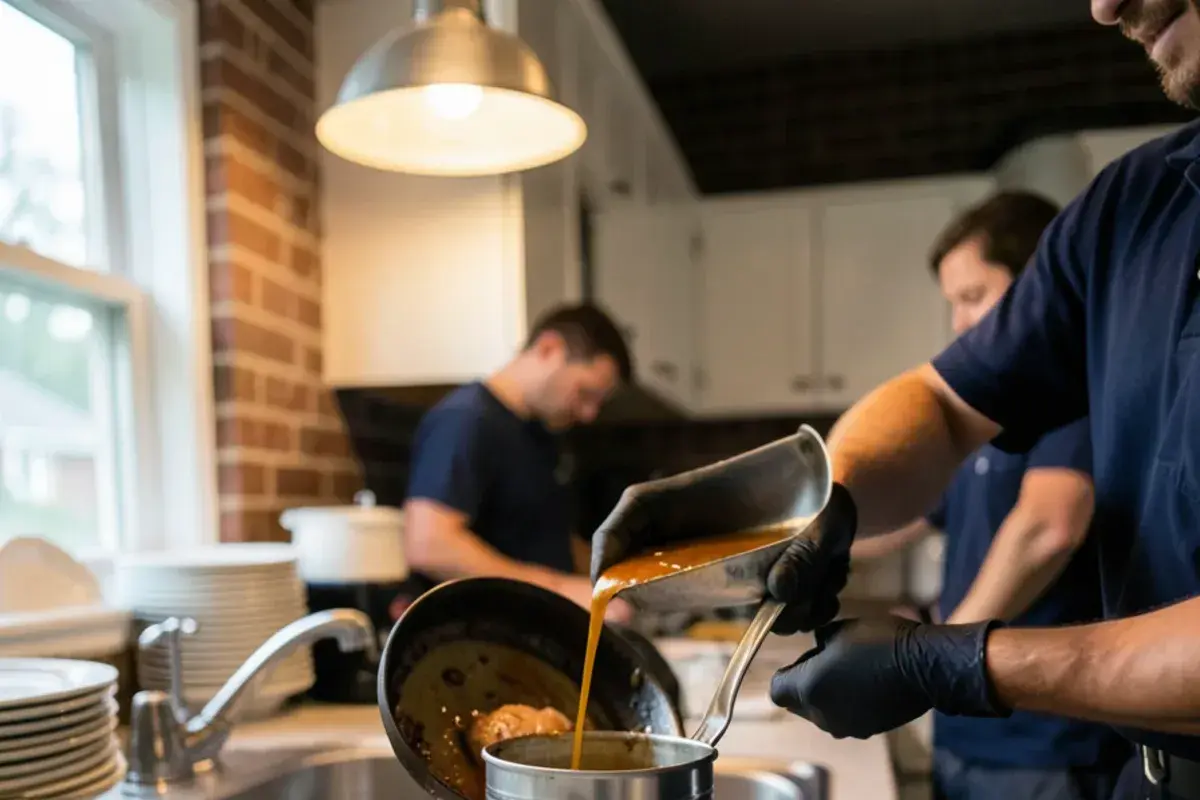
The busiest kitchen day of the year is hard on drains. Pour grease and pan drippings into a can, let it harden, and put it in the trash. Scrape plates into the garbage before rinsing. Keep potato peels, celery, onion skins, poultry skin and bones out of the disposal. Run cold water before, during and after the disposal, and run the dishwasher and disposal at different times so the drain isn't flooded all at once. Put a plunger in the guest bathroom before guests arrive.
Grease adds up across a whole sewer system. In September 2018, a fatberg about 100 feet long was removed from a Clinton Township interceptor sewer, the Lakeshore Interceptor.
What plumbers often find on fall service calls
Fall calls tend to follow the same few patterns, and knowing them helps you judge what a fix can and can't do.
The most common is a frost-free spigot that split last winter with a hose attached. The repair is a new spigot, but if the old one was set level or tipped back toward the house, a new one in the same hole can freeze the same way. Ask the plumber to check the pitch, and to look at the inside shutoff, which is often a gate valve that no longer seals.
Next is a sump pump that passes the bucket test but is old. A pump that starts today can still quit during the March melt, and replacing only the check valve won't help a pump whose motor or float switch is worn out. The pump's age and how hard it has worked matter more than one good test.
Water heaters bring the third pattern. Draining an older tank for the first time in years can leave the plastic drain valve dripping because grit keeps it from reseating. That's a small repair, but it's worth knowing before you open it. A tank that is already weeping at a seam can't be fixed by flushing. That's a replacement conversation.
Last, the main shutoff. An old gate valve that hasn't moved in a decade can snap its stem if it's forced. A plumber can replace it with a quarter-turn ball valve, and that usually means shutting the curb stop at the street first, which in many Macomb County communities is the water department's job.
Wrap up the list before the first hard freeze
In Washington Township, a sprinkler system or a water-powered backup sump on public water needs a township plumbing permit, and the communities around it set their own rules. Write down what you found on each step, and keep the list with your house papers for next October. If something on your list turns up a problem, call (207) 419-2600 and we'll connect you with a local plumber who covers your area before the cold sets in.
Common questions
When should I shut off outdoor faucets in Michigan?
Before the first hard freeze, which in southeast Michigan often comes in late October or November. Watch the forecast for overnight lows in the mid-20s or colder and get it done before then. An early cold night is a bigger risk than shutting off a week too soon.
Do I need to flush my water heater every fall?
No. A full flush every year isn't required, but draining a few gallons each fall is a cheap check. If the water runs clear quickly, sediment is light. If it stays gritty, a longer flush helps, and a tank that rumbles or pops while heating usually has a heavy layer on the bottom. With Lake Huron water averaging 99 ppm hardness in Macomb Township, some grit is normal.
Can I blow out my own sprinkler lines?
Yes, if you have a compressor that moves enough air and you keep the pressure modest, since too much can crack fittings and sprinkler heads. Shut the water to the system first and open the test cocks on the backflow device so it drains. Many homeowners leave the job to an irrigation company, especially on larger lots with several zones.
Does a frost-free spigot still need a foam cover?
No, not usually. A frost-free spigot closes the water off several inches to a foot inside the wall, on the warm side of the basement rim joist, so the cover adds little. What it does need is the hose removed and a slight downward pitch to the outside so the barrel drains. A cover helps more on an older standard spigot with no inside valve.
Where we can help
Found a problem on your fall list? Get it fixed before the freeze
- Your call goes to an independent local plumbing company that does the work.